
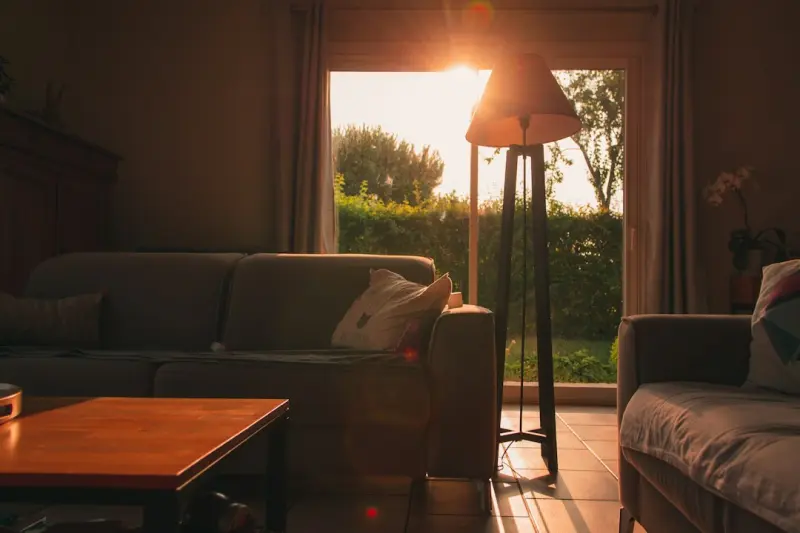
Let the Sun In: How Natural Light Can Reinvent Your Home
When we think about home improvement, paint colors, furniture layouts, and smart gadgets usually steal the spotlight. Yet one of the most powerful, cost‑effective, and mood‑lifting tools sits right above our heads: natural light. By consciously shaping how sunlight flows through each room, you can boost productivity, calm anxiety, and even improve sleep—all without breaking the bank. In this deep dive, I’ll share practical, science‑backed strategies to harness daylight, create visual harmony, and turn every corner of your house into a brighter, healthier space.
Why Sunlight Matters Beyond Aesthetic Appeal
Sunlight does more than make a room look airy. It regulates our circadian rhythms, influences hormone production, and affects our emotional state. The hormone melatonin, responsible for sleep, is suppressed by bright daylight, helping us feel alert during the day and preparing the body for rest when darkness falls. Meanwhile, exposure to natural light stimulates the release of serotonin, the “feel‑good” neurotransmitter that lifts mood and sharpens focus.
Studies from environmental psychology reveal that workers in spaces flooded with daylight report higher satisfaction, lower stress, and greater productivity compared to those in artificially lit environments. Homeowners who redesign their interiors to maximize sunlight often experience a subtle, yet measurable, lift in overall wellbeing.
Audit Your Light Landscape
Before you start pulling down curtains or rearranging furniture, conduct a light audit. Walk through each room at three different times—morning, midday, and late afternoon. Note where the sun hits, where shadows linger, and which windows are obstructed by heavy drapes or bulky furniture. Sketch a quick floor plan and shade in the bright zones. This visual map becomes your blueprint for the interventions that follow.
Strategic Window Treatments: The Sweet Spot Between Light and Privacy
Heavy blackout curtains may feel cozy, but they also block beneficial daylight. Instead, opt for:
- Sheer curtains that diffuse light, softening harsh glare while preserving privacy.
- Top‑down/bottom‑up shades that let you lower the bottom portion for privacy while keeping the top open for daylight.
- Light‑filtering blinds in muted tones, which reduce UV exposure without dimming the room.
For rooms that require full privacy—like bedrooms—consider installing sleep‑friendly environment enhancements, such as blackout liners that can be pulled aside during the day to welcome sunlight.
Mirror Magic: Amplify What You’ve Got
Mirrors are the unsung heroes of light distribution. By strategically placing a mirror opposite a window, you can reflect sunlight deeper into the room, effectively doubling the perceived size of the space. Choose frames that complement your décor—whether sleek metal for a modern vibe or reclaimed wood for a rustic touch—to keep the design cohesive.
Furniture Placement: Let the Light Flow
Large, low‑profile furniture can block natural light pathways. Arrange sofas, bookshelves, and desks so that they don’t sit directly in front of windows unless you’re deliberately creating a shaded nook. If you love a cozy reading corner by the window, consider a lightweight, open‑back chair that allows light to slip through. In rooms where you need storage, use the space‑saving tricks from our micro‑storage guide—think vertical shelving that rises toward the ceiling, leaving floor space open for light to travel.
Color Palette: Paint Your Way to Brighter Days
Light‑reflective wall colors dramatically influence how much daylight a room retains. Soft whites, pale neutrals, and pastel hues bounce light around, making rooms feel larger and more inviting. For a subtle pop, use a brighter accent on a single wall or on the ceiling—yes, the ceiling! A light‑blue ceiling can make a space feel sky‑like and airy, especially in rooms with limited window area.
Layered Lighting: Blend Natural and Artificial Light Seamlessly
Even the sunniest homes need supplemental lighting for evenings and overcast days. The key is to layer lighting in a way that mimics natural light’s gradual intensity. Use:
- Ambient fixtures (recessed lights or overhead fixtures) for overall illumination.
- Task lighting (desk lamps, under‑cabinet lights) where focused light is needed.
- Accent lighting (wall sconces, LED strips) to highlight artwork or architectural features.
Consider smart bulbs with tunable color temperature that shift from cool, energizing light in the morning to warm, relaxing tones at night—supporting your circadian rhythm without you having to think about it.
Biophilic Touches: Bring the Outdoors Inside
Plants not only purify the air but also interact with light in fascinating ways. Position foliage near windows to let leaves dance in the sun, creating a dynamic visual element that changes with the day. Choose low‑maintenance varieties like snake plants, ZZ plants, or pothos for rooms that receive less direct sun. The interplay of light and greenery adds depth, softness, and a sense of calm that artificial décor can’t replicate.
Seasonal Light Shifts: Adjust as the Year Turns
Sun angles change throughout the year, affecting how light enters your home. In summer, high‑angle sun can cause glare; in winter, low‑angle light may be weaker. Adapt by:
- Installing adjustable awnings or exterior shades that can be extended in summer and retracted in winter.
- Using light‑reflective window films to reduce glare while preserving daylight.
- Rotating decorative elements like curtains or throw pillows to match the seasonal light quality—lighter fabrics in winter, richer textures in summer.
Creating Phone‑Free Light Zones
Constant screen exposure can overstimulate the eyes, especially when combined with harsh artificial lighting. Designate specific “phone‑free light zones” where you disconnect and let natural light do its restorative work. This can be a sunny breakfast nook, a balcony reading corner, or a window‑facing meditation space. For inspiration on crafting mindful, technology‑free areas, check out our guide on phone‑free zones that foster calm and concentration.
Home Office Light Hacks: Boost Creativity and Focus
If you work from home, your productivity hinges on how well your workspace captures daylight. Here’s a quick checklist:
- Desk placement: Position your desk perpendicular to the window to avoid glare on screens while still benefiting from ambient daylight.
- Anti‑glare screen filters: These reduce reflections, allowing you to keep the window open without compromising screen visibility.
- Task lamp with adjustable color temperature: Pair it with natural daylight to maintain consistent lighting throughout the day.
When the weather is gloomy, a light therapy box placed on your desk can simulate sunrise, keeping your circadian rhythm on track.
Kids’ Spaces: Nurturing Growth with Light
Children’s rooms thrive on natural light, which supports healthy development and mood regulation. Keep window treatments minimal—perhaps sheer curtains or blinds that can be fully opened. Use bright, playful wall colors that reflect sunlight, and place a low‑profile desk or craft table where daylight is abundant. Incorporate a reading nook near the window to encourage quiet time and visual comfort.
Outdoor Extensions: Light Flow Through the Threshold
Don’t limit your light strategy to interior walls. Extend the bright atmosphere outdoors with:
- Sheer outdoor curtains that filter harsh sun while still allowing light to permeate patios and balconies.
- Reflective surfaces like light‑colored decking or stone that bounce sunlight back into adjoining indoor spaces.
- Strategic plantings that provide shade in summer yet allow sunlight in winter, such as deciduous trees.
These elements create a seamless transition between indoor and outdoor living, amplifying the sense of space and openness.
Maintenance Matters: Keep Your Light Sources Pristine
Dusty windows and smudged glass can significantly reduce the amount of daylight entering your home. Make it a habit to clean windows quarterly with a non‑abrasive cleaner. For high‑rise apartments, consider a professional cleaning service for hard‑to‑reach panes. Also, regularly dust blinds, curtains, and ceiling fans to prevent light diffusion loss.
Balancing Light with Energy Efficiency
While inviting more daylight reduces the need for artificial lighting, you also want to keep heating and cooling costs in check. Use energy‑efficient window glazing that lets in light but reduces heat loss. Install low‑E (low emissivity) coatings to reflect infrared heat while allowing visible light to pass through. Pair these upgrades with proper insulation to maintain a comfortable indoor temperature year‑round.
Final Thoughts: Light as a Lifestyle Choice
Transforming your home with natural light isn’t a one‑time project; it’s an ongoing lifestyle commitment. By continually assessing how sunlight interacts with your space, you can make small tweaks—like swapping a curtain or repositioning a mirror—that cumulatively create a brighter, more vibrant home. The result isn’t just a prettier interior; it’s a healthier, more energetic you.

In the world of freelance writing, where creativity and adaptability are paramount, Michelle Fisher stands out as a dedicated and versatile professional. With a passion for crafting compelling narratives and a keen eye for detail, Michelle has established herself as a trusted voice.
Related Posts

Micro‑Zones: Turn Tiny Corners into Powerful Home Hubs
Discover the concept of micro‑zones—small, purpose‑driven corners in your home—and how they ... Read More
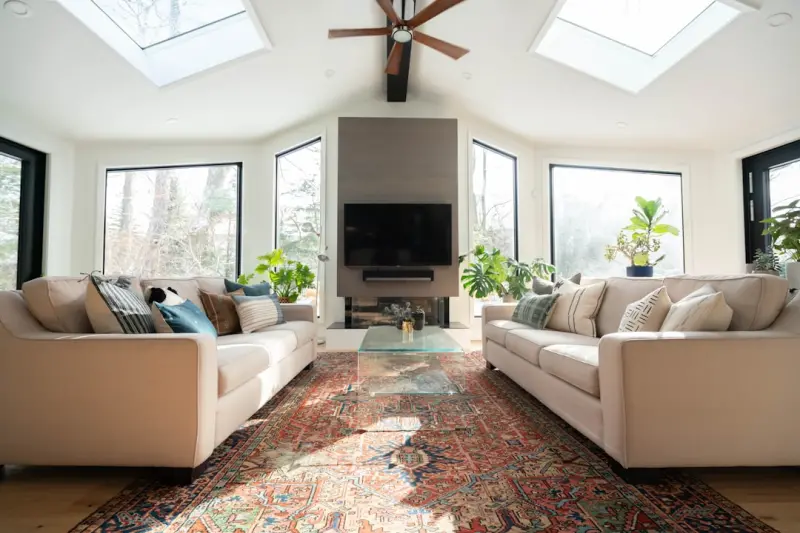
Transform Your Home Into a Calm, Efficient Haven Without Breaking the Bank
Learn practical, low‑cost home improvements—from acoustic panels to natural scents—that elevat... Read More

Seasonal Swaps and Smart Hacks: A Fresh Take on Everyday Home Mastery
Learn how to rotate pantry items, use adhesive storage, create scent stations, and apply one‑minut... Read More
Top Posts

Surfing Google’s 2024 AI Tsunami: Rose DesRochers’ Insider Playbook for Marketers
Rose DesRochers shares a hands‑on playbook to navigate Google’s 2024 AI wave, offering practical tactics, data‑driven insights, and storytelling tips to f...Read More

The Silent Sentinel: AI Takes the Lead in SaaS Security
An in‑depth look at how autonomous AI transforms SaaS security from reactive defenses to proactive, self‑healing systems, offering practical steps for integ...Read More
Home Choreography: Turning Every Room Into a Performance Stage
Discover a step‑by‑step guide to treating your home like a performance stage—using light, sound, modular furniture, and seasonal décor to boost productiv...Read More

Riding the 2026 Google AI Wave: Insider Strategies for Marketers
A deep dive into Google’s 2026 AI evolution, offering insider tactics, measurement tips, and ethical best practices to future‑proof your marketing strategy....Read More
0 Comments
Post Comment
You will need to Login or Register to comment on this post!