
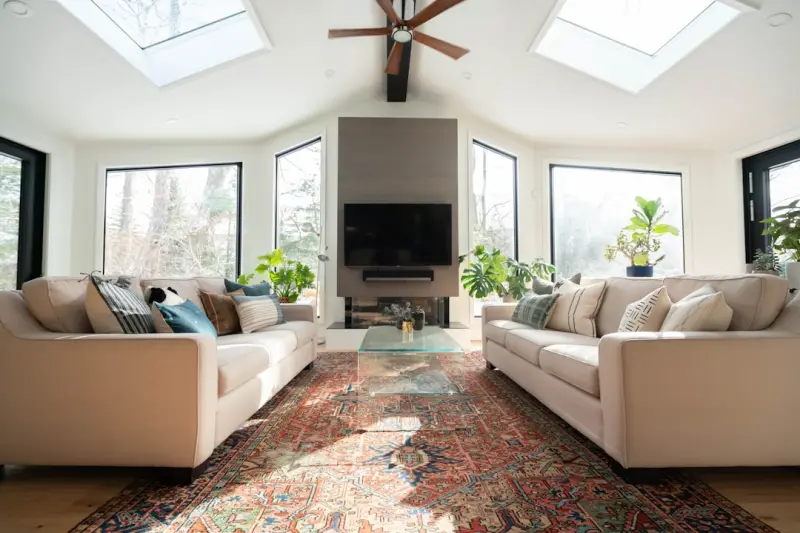
Why a Simple Home Refresh Can Boost Your Mood and Wallet
When the walls feel stale and the air carries a hint of fatigue, it’s easy to assume you need a major renovation to feel revitalized, yet most of the transformation you crave can be achieved with a handful of thoughtful, low‑cost adjustments that target comfort, health, and aesthetics simultaneously. By focusing on the hidden layers of home life—sound, air, temperature, lighting, and scent—you can craft an environment that nurtures productivity and relaxation without the disruption of a full‑scale remodel, and the best part is that each tweak can be executed in a weekend with tools you already own. Strategic micro‑changes compound over time, turning an ordinary dwelling into a sanctuary that feels tailor‑made for your daily rhythm, while also keeping your budget intact.
Quiet Comfort: DIY Acoustic Panels for a Serene Space
Echoes from the street, a television left on, or the hum of a home office can erode concentration, so tackling acoustic comfort is often the first step toward a calmer home, and you don’t need expensive panels—reclaimed wood frames, dense fabric, and a bit of adhesive are enough to build effective sound‑absorbing tiles that blend with your décor. By measuring the dimensions of the most problematic walls, cutting insulation foam to size, wrapping it in a breathable linen or cotton fabric, and mounting the panels at ear level, you create a diffusion surface that reduces reverberation by up to 40 percent, allowing conversations to flow naturally and music to breathe without harshness. This simple project not only enhances auditory privacy but also adds a handcrafted visual element that reflects your personal style, turning a functional upgrade into a design statement.
Breathing Easy: Natural Air‑Purifying Strategies
Indoor air quality often goes unnoticed until allergies flare or fatigue sets in, and while high‑tech purifiers promise miracles, a combination of strategic houseplants, activated charcoal, and scheduled ventilation can cleanse the atmosphere just as effectively for a fraction of the cost. Positioning a trio of spider plants, peace lilies, and snake plants in high‑traffic zones creates a living filter that removes volatile organic compounds, while a DIY charcoal bag—simply placing activated charcoal in a breathable fabric pouch—absorbs odors and pollutants overnight; rotating these bags weekly keeps them at peak performance. Complement this with a simple habit of opening windows for ten minutes at sunrise and sunset, establishing a cross‑ventilation pattern that flushes stale air and invites fresh breezes, a routine that costs nothing but delivers noticeable improvement in breathing comfort.
Temperature Mastery Without Smart Thermostats
Maintaining a comfortable temperature often feels like a battle between the thermostat and the weather, yet employing passive strategies such as draft excluders, thermal curtains, and radiator reflectors can give you granular control without the need for a connected device, and each method works by either retaining heat during winter or reflecting sunlight in summer, creating a balanced indoor climate. Installing foam or silicone strips along window sills seals gaps that let cold air seep in, while heavy, insulated curtains hung on a sturdy rod block solar gain during hot afternoons; in rooms with radiators, placing a reflective foil panel behind the unit redirects heat back into the space rather than letting it escape into the wall cavity. These low‑tech adjustments are inexpensive, reversible, and together they can lower heating bills by up to 15 percent, proving that comfort doesn’t require a pricey smart hub.
Layered Lighting: Crafting Mood With Purposeful Illumination
Lighting influences how we feel as much as the furniture we sit on, and by moving beyond a single overhead bulb to a layered system of ambient, task, and accent lights you can sculpt the atmosphere of each room to match the activity at hand, all while using energy‑efficient LEDs that keep electricity costs low. Start with a warm‑white ambient source—such as a dimmable ceiling fixture—then add focused task lights like adjustable desk lamps or under‑cabinet LEDs for reading and cooking, and finish with accent lighting like LED strip candles or low‑profile wall sconces that highlight artwork and create visual interest after dark. Installing a simple pull‑chain dimmer or a smart plug (if you already have one) lets you shift from bright, energizing light in the morning to soft, relaxing tones in the evening, reinforcing your natural circadian rhythm without any complex automation.
Sustainable Cleaning: Homemade Solutions That Work
Commercial cleaners are often packed with harsh chemicals that linger on surfaces and contribute to indoor pollution, whereas a few pantry staples can be combined to produce effective, eco‑friendly alternatives that leave your home spotless and your conscience clear, and the recipes are so straightforward that you’ll wonder why you ever bought the expensive bottles. Mix equal parts white vinegar and distilled water in a spray bottle for a multipurpose surface cleaner, add a few drops of citrus essential oil for a pleasant scent, and you have a solution that cuts grease, dissolves mineral deposits, and disinfects without leaving residue; for stubborn grime, a paste of baking soda and water works wonders on stovetops and bathroom tiles, and a rinse with warm water restores shine. These DIY cleaners not only reduce waste but also save money—one gallon of homemade solution can replace dozens of commercial cleaners, translating into tangible savings over time.
Multi‑Functional Furniture: Maximizing Space With Style
Even if you’ve already explored smart storage ideas, there’s a whole universe of furniture that serves double duty, turning everyday pieces into hidden helpers that declutter and enhance functionality without sacrificing design, and the key is to select items that can adapt as your needs evolve. A fold‑away wall desk, for instance, can serve as a workspace by day and disappear when guests arrive, while a storage ottoman provides seating, footrest, and a concealed compartment for blankets or magazines; similarly, a coffee table with built‑in drawers offers a place to stash remote controls and coasters, reducing tabletop clutter. By choosing pieces that combine aesthetics with hidden utility, you create a flexible environment that feels spacious and organized, allowing you to host gatherings, work from home, or unwind without the feeling of cramped confinement.
Signature Scent: Personalizing Your Home’s Aroma
Our sense of smell is a powerful trigger for memory and mood, and curating a signature scent for your home can turn ordinary rooms into comforting sanctuaries that greet you with a subtle, inviting fragrance each time you walk through the door, and you can achieve this without purchasing expensive diffusers by using simple simmer pots or linen sprays made from essential oils you already own. In a small saucepan, combine water, citrus slices, rosemary sprigs, and a few drops of lavender oil, then let the mixture gently bubble on low heat for an hour, releasing a fresh, herbaceous aroma that fills the kitchen and living area; for a quick boost, fill a spray bottle with distilled water, a splash of vodka, and your favorite essential oil blend, then mist curtains, pillows, and upholstery to infuse the space with a lingering scent that feels both clean and personalized. This aromatic routine not only elevates the ambiance but also reinforces a sense of belonging and relaxation, making your home a true retreat after a long day.
Putting It All Together: Small Steps, Big Impact
By weaving together these nine practical upgrades—sound absorption, air purification, passive temperature control, layered lighting, green cleaning, adaptable furniture, and curated scent—you create a holistic home environment that supports well‑being, productivity, and aesthetic pleasure without the upheaval of a major renovation, and the best part is that each change can be implemented independently, allowing you to prioritize based on budget, time, or personal preference. Start with the tip that resonates most—perhaps swapping out a single lamp for a dimmable LED or hanging a few acoustic panels—and observe how the subtle shift reshapes your daily experience; as momentum builds, layer additional adjustments to amplify the benefits, and before you know it, your living space will feel refreshed, functional, and uniquely yours, proving that thoughtful, budget‑friendly tweaks truly transform a house into a home.

Paul Flynn is a versatile freelance writer equipped with a diverse skillset and a portfolio that reflects his wide-ranging interests and expertise. From crafting compelling website copy and engaging blog posts to delivering in-depth articles and meticulously researched reports, Flynn demonstrates a remarkable ability to adapt his writing style to suit various audiences and purposes.
Related Posts

Recharging Your Home: 10 Unconventional Tips for Everyday Bliss
Learn how to turn your home into a daily recharge hub with soundscapes, scent, smart lighting, micro... Read More

Quarterly Home Reset: Reboot Your Space and Mind
A practical guide to a four‑month home reset that declutters, streamlines systems, refreshes ambia... Read More

Tiny Rituals for a Home That Feels Like a Warm Embrace
Learn simple, sustainable home habits—from entryway organization to indoor gardening—that transf... Read More
Top Posts

Why Short-Form Video is the Secret Weapon for Modern B2B Marketers
Short‑form video is reshaping B2B marketing by delivering high‑impact storytelling in 15‑30 seconds. Learn how to create authentic clips, integrate them i...Read More

Prompt Engineering: The Low‑Cost, High‑Impact Lever SaaS Teams Need
Prompt engineering turns generic AI models into tailored business assets. This post outlines a practical framework for SaaS teams to adopt prompt discipline, bo...Read More

Eating on the Clock: Aligning Meals with Your Remote Work Rhythm
Discover a practical framework for timing meals to match your personal energy peaks, improve productivity, and enhance overall health in a remote work setting....Read More

Seeing Cities Through a New Lens: How Augmented Reality is Redefining Urban Exploration
Discover how AR reshapes urban travel, offering immersive visuals, audio storytelling, and personalized itineraries that let explorers see cities like never bef...Read More
0 Comments
Post Comment
You will need to Login or Register to comment on this post!