

Why a Phone‑Free Quiet Corner Is the Missing Piece in Modern Home Life
We live in a world where the ping of a notification can pull us out of a conversation, a meal, or a moment of quiet reflection within seconds. While smart devices have made many tasks easier, they also crowd our mental real‑estate, leaving us feeling scattered and exhausted. The solution doesn’t have to be a full‑blown digital detox retreat; it can start with a single, purpose‑built space in your home: a phone‑free quiet corner.
Think of it as a small sanctuary where the only background noise is the hum of a ceiling fan or the soft rustle of a page turning. By deliberately carving out this niche, you create a pocket of calm that supports deeper focus, better sleep, and richer family interactions. In this guide, I’ll walk you through the philosophy, planning, and practical steps to build a quiet corner that feels both intentional and inviting.
The Psychology Behind Unplugged Spaces
Our brains are wired for attention. When we constantly shift focus between emails, social feeds, and instant messages, we trigger what neuroscientists call “attention residue”—the lingering mental traces of previous tasks that make it harder to concentrate on the next one. Research shows that even brief, regular breaks from screens can reduce this residue, improve mood, and boost productivity.
Creating a dedicated, screen‑free zone gives your brain a clear cue: “Now it’s time to be present.” Over time, the habit of stepping into that space can condition your mind to enter a state of relaxed alertness, often referred to as “flow.” The result? More meaningful conversations, better reading comprehension, and a smoother transition to bedtime.
Mapping Your Space: Where to Put the Corner
Location matters more than the square footage. A good quiet corner should:
- Be out of high‑traffic pathways. You want to avoid a spot that people constantly walk past, as movement creates visual and auditory distractions.
- Benefit from natural light. Sunlight boosts serotonin and can make the space feel more uplifting without the need for excessive artificial lighting.
- Have a view or a focal point. Whether it’s a window looking onto a garden or a simple piece of art, a focal point gives the eye something to rest on, reducing the urge to glance at a screen.
If you’re limited on space, think vertically. A narrow alcove between two bookshelves or a corner of a hallway can be transformed with the right furnishings.
Selecting Furniture That Encourages Stillness
The right pieces can make or break the atmosphere. Here’s a quick checklist:
- Comfortable seating. Opt for a plush armchair, a low‑profile floor cushion, or a small daybed with supportive pillows.
- Minimalist storage. A small side table or a floating shelf can hold a journal, a tea cup, or a reading lamp—nothing that encourages scrolling.
- Natural materials. Wood, linen, and woven fibers add warmth and reduce the sterile feel that often accompanies high‑tech environments.
Remember, the goal isn’t to fill the corner with objects but to curate a few that invite you to stay awhile. A single, well‑chosen reading lamp with a warm glow can be more effective than a stack of decorative items.
Lighting and Acoustics: Setting the Mood
Lighting should be layered:
- Ambient lighting. Soft, diffused overhead lights or a floor lamp that casts a gentle wash across the space.
- Task lighting. A directional lamp for reading or writing, preferably with a dimmer so you can adjust the intensity.
- Accent lighting. Small LED strips or candles for a cozy, low‑key vibe in the evenings.
Acoustic comfort is often overlooked. Hard floors and bare walls can amplify noise, making it hard to settle. Adding a rug, wall tapestries, or acoustic panels can absorb sound, turning your corner into a true hush zone.
Establishing Habits: When and How to Use Your Quiet Corner
Design alone isn’t enough; consistent use is what turns a corner into a habit. Here are three easy routines to get started:
- Morning mindfulness. Spend five minutes each sunrise breathing, stretching, or simply observing your surroundings. This sets a calm tone for the day.
- Mid‑day reading break. Swap a 15‑minute social media scroll for a page of a book or a short article. The mental reset can improve afternoon focus.
- Evening wind‑down. Use the corner for a cup of herbal tea, a journal entry, or gentle humming. Avoid screens at least 30 minutes before bed to support melatonin production.
To reinforce the habit, consider a visual reminder—perhaps a small sign that says “No Devices Allowed” or a simple “Quiet Zone” placard. Over time, the cue becomes internal, and you’ll find yourself gravitating toward the space without conscious effort.
Seasonal Refresh: Keeping the Corner Fresh All Year
One of the joys of a quiet corner is its flexibility. Rotate elements with the seasons to keep the environment engaging:
- Spring. Add fresh herbs in small pots, light linen throws, and pastel cushions.
- Summer. Incorporate breezy curtains, a standing fan, and a bowl of citrus fruits for scent.
- Fall. Swap in a warm, knitted blanket, a pumpkin‑shaped candle, and earthy tones.
- Winter. Bring in a plush rug, a soft wool blanket, and a low‑lit lantern to create a cozy cocoon.
These subtle changes keep the space inviting and prevent it from feeling stagnant, encouraging you to return throughout the year.
Integrating Energy‑Saving Practices
While the focus here is on mental calm, you can also make your quiet corner a model of sustainability. Choose LED bulbs, power‑saving timers for your lamps, and natural fabrics that require less energy to produce. For inspiration on broader home‑wide savings, check out The Ultimate Home Energy Efficiency Playbook. Small adjustments in one corner can ripple out, reducing your overall footprint.
From Noise to Nurture: Pairing the Corner With Family Rituals
A phone‑free zone isn’t just for solo use. Invite family members to share the space during specific times—perhaps a weekly “Story Hour” where everyone reads aloud, or a “Quiet Café” where you sip tea together without screens. These rituals deepen connections and reinforce the value of unplugged time for all ages.
Maintaining the Sanctity of the Space
It’s easy for a quiet corner to become a catch‑all for miscellaneous items. To preserve its purpose:
- Regular declutter sessions. Every month, remove any objects that don’t serve the calm‑focused intent.
- Re‑evaluate tech policies. If a new device threatens to infiltrate the space, reassess its placement. Keep the corner strictly device‑free.
- Refresh sensory elements. Swap out scented candles, essential oil diffusers, or background music playlists to keep the atmosphere soothing.
Staying vigilant ensures the corner remains a refuge rather than a repository.
Bonus Insight: Linking Quiet Corners to Broader Well‑Being Strategies
If you’re already exploring holistic home improvements, you might find the ideas in The Secret to a Stress‑Free Home complementary. Both concepts emphasize the power of curated environments to influence mood and productivity. By combining a sensory‑rich sanctuary with a focused, phone‑free corner, you create a layered approach to home wellness that tackles both external distractions and internal stressors.
Final Thoughts: Your Quiet Corner as a Launchpad for a Calmer Life
In an age of endless alerts, the simplest act of carving out a screen‑free space can have outsized effects on your mental clarity, relationships, and even sleep quality. The quiet corner is a modest investment—just a few pieces of furniture, a thoughtful layout, and a commitment to unplug. Yet its returns are profound, offering a daily sanctuary where you can reset, reflect, and reconnect with what truly matters.
Start small, stay consistent, and let this pocket of peace become the cornerstone of a more intentional, grounded home life.

Paul Flynn is a versatile freelance writer equipped with a diverse skillset and a portfolio that reflects his wide-ranging interests and expertise. From crafting compelling website copy and engaging blog posts to delivering in-depth articles and meticulously researched reports, Flynn demonstrates a remarkable ability to adapt his writing style to suit various audiences and purposes.
Related Posts
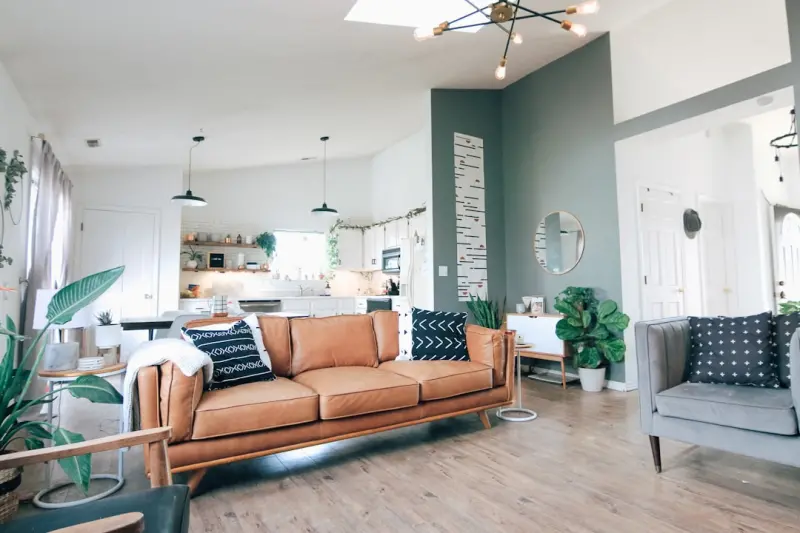
Unlocking the Hidden Potential of Your Home's Nooks
Learn how to turn overlooked corners and tight spaces into purposeful micro‑zones—like reading n... Read More

The Low‑Maintenance Indoor Garden: Green Living for Busy Homes
A practical guide to creating a thriving indoor garden with minimal effort, perfect for busy profess... Read More
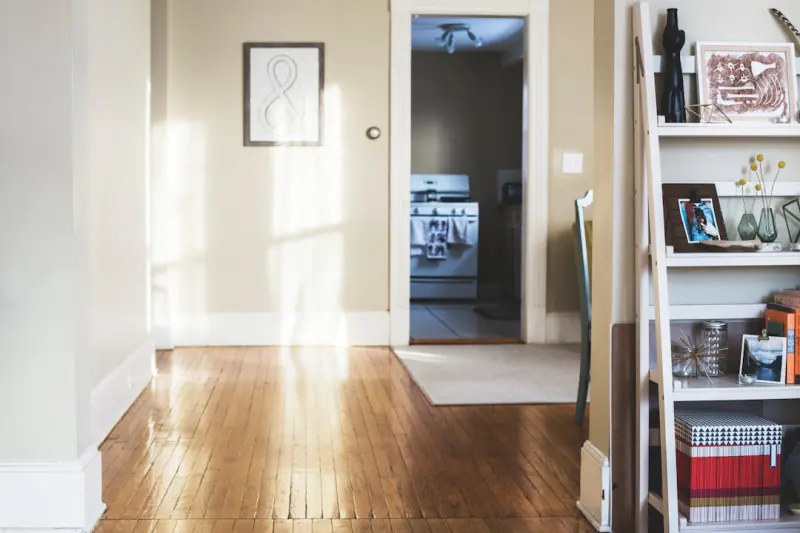
Turn Your Hallway Into a Home‑Office Power‑Hub
Discover a step‑by‑step guide to converting an underused hallway into a sleek, productivity‑bo... Read More
Top Posts

Hyper‑Local Community Marketing: Turning Neighborhoods Into Brand Hubs
Learn the art of hyper‑local community marketing—using neighborhood influencers, authentic storytelling, and granular data to turn everyday streets into pow...Read More

Mining the Knowledge Graph: A SaaS Playbook for Smarter Lead Enrichment
Learn how to leverage Google’s Knowledge Graph to automatically enrich prospect data, improve outreach personalization, and create a smarter, faster sales pip...Read More

Smart Micro‑Habits for a Future‑Ready Home
Learn how to turn everyday routines into smart, low‑cost upgrades that improve energy use, acoustic comfort, and workspace efficiency, creating a future‑rea...Read More

Mapping Growth: Leveraging Google Maps Platform for B2B SaaS Success
Explore practical ways to embed Google Maps Platform into your SaaS product—from hyper‑personalized onboarding to real‑time asset tracking—while balanci...Read More
0 Comments
Post Comment
You will need to Login or Register to comment on this post!