
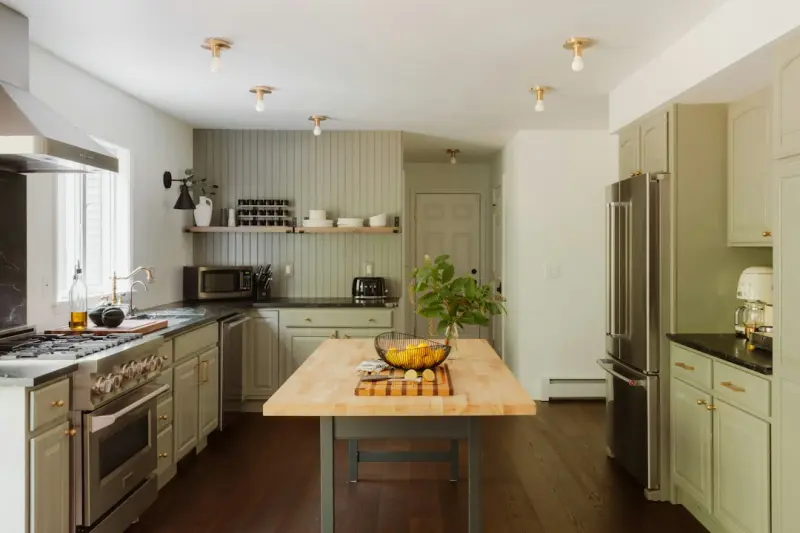
When I first moved into my new apartment, the kitchen felt more like a battlefield than a place of nourishment. Pots clanged, spices spilled, and the countertop was a chaotic collage of mail, gadgets, and half‑finished meals. I realized I wasn’t just looking at a room; I was staring at a daily source of stress. Over the next few months I turned that kitchen into a calm, functional sanctuary—without hiring a designer or breaking the bank. Below is the step‑by‑step journey I took, peppered with practical tips you can apply right away, no matter the size or style of your kitchen.
1. Start With a Vision, Not a Wishlist
Before you rush to the nearest home‑goods store, pause and ask yourself a simple question: What feeling do I want when I step into my kitchen? For me, it was “quiet confidence.” I imagined a space where I could find what I need without hunting, where the flow of movement felt natural, and where the aesthetics soothed rather than overstimulated. Write down three adjectives—calm, organized, inviting—and let them guide every decision.
2. Declutter With Intent, Not Just “Throw It Out”
Most of us think decluttering means tossing everything we don’t use daily. While that’s a good start, the real magic happens when you categorize items based on their purpose and frequency of use. I created three zones:
- Everyday Essentials: knives, cutting board, a handful of pans, and my favorite spices.
- Occasional Tools: a Dutch oven, specialty bakeware, and a rice cooker.
- Rarely Used Items: festive serving trays, novelty gadgets, and duplicate utensils.
Place the Everyday Essentials within arm’s reach of the stove and prep area. Store the Occasional Tools in upper cabinets or a pull‑out pantry. For Rarely Used Items, consider a dedicated drawer or a stylish basket tucked behind the fridge. This method not only frees up surface space but also reduces the mental load of searching for tools.
3. Optimize Countertop Real Estate
Counter space is the most coveted real estate in any kitchen. Here’s how I reclaimed every inch:
- Use a Cutting Board as a Workspace Extension: A sturdy, large cutting board doubles as a prep zone and protects your countertop from scratches.
- Invest in a Tiered Spice Rack: Vertical storage saves space and makes spice labels easily visible.
- Adopt Magnetic Strips for Knives and Metal Tools: A sleek magnetic strip mounted on the backsplash clears drawer clutter while keeping your favorite knives at eye level.
These tweaks turned my countertops from a cluttered mess into a clean canvas ready for culinary creativity.
4. Light It Right
Lighting can dramatically affect your mood and efficiency. Natural light is best, so if you have a window, keep the area around it clear of heavy curtains. For evenings and cloudy days, layer your lighting:
- Task Lighting: Under‑cabinet LED strips illuminate the countertop without casting shadows.
- Ambient Lighting: A dimmable ceiling fixture sets the overall tone.
- Accent Lighting: Small pendant lights above the island or dining nook add a touch of personality.
Adjustable lighting allows you to transition from bright, energizing mornings to soft, relaxing evenings, making the kitchen a versatile space for both cooking and unwinding.
5. Introduce Gentle Scents Naturally
Nothing says “welcome home” like a subtle, natural aroma. Instead of synthetic air fresheners, I turned to simple DIY scent solutions that double as decor:
- Citrus Simmer Pot: Simmer water with orange peels, cinnamon sticks, and a splash of vanilla extract.
- Herb Garden: A small windowsill herb garden of rosemary, mint, or basil releases fresh fragrance while providing fresh ingredients.
- Essential Oil Diffuser: Choose calming blends like lavender or eucalyptus for a spa‑like feel.
These natural scents keep the kitchen smelling inviting without overwhelming the senses.
6. Make Cleaning a Breeze, Not a Chore
My kitchen used to feel like a perpetual mess, but a few routine habits transformed it into a low‑maintenance zone:
- Wipe as You Go: Keep a microfiber cloth and a spray bottle of diluted vinegar at the sink. A quick wipe after each cooking session prevents stubborn buildup.
- Weekly Deep Clean: Schedule a 20‑minute deep clean every Sunday—scrub the stovetop, clean the fridge shelves, and mop the floor.
- Use Natural Cleaners: Baking soda and lemon juice cut grease effectively and leave a fresh scent.
Consistent, small actions keep the kitchen sparkling without the dread of a massive weekend overhaul.
7. Add Touches That Speak to Your Soul
A sanctuary is as much about aesthetics as it is about function. I chose a few personal touches that make the space feel uniquely mine:
- Artwork: A small, framed print of a farmer’s market scene adds warmth.
- Textiles: A woven runner rug adds texture and defines the cooking zone.
- Open Shelving: Displaying favorite mugs or a vintage tea set adds character while keeping them within easy reach.
These elements create visual interest without cluttering the space.
8. Harness the Power of Smart Simplicity
You don’t need a fully automated smart kitchen to reap the benefits of technology. Simple tools can streamline tasks:
- Bluetooth Thermometer: Monitors meat temperature on your phone, freeing you to multitask.
- Timer Apps: Set multiple timers on your phone for different dishes, preventing overcooking.
- Digital Shopping List: Sync a shared list across devices so you never forget an ingredient.
These low‑cost, low‑learning‑curve gadgets save time and reduce anxiety.
9. Create a Dedicated “Reset” Zone
After cooking, it’s tempting to slump onto the couch, but the kitchen can also be a place to transition back to the rest of your day. I added a small “reset” zone: a high‑back stool by the window with a tiny tray for your phone and a plant. This spot lets you sip a cup of tea, glance at the sunrise, and mentally shift from chef mode to relaxation mode.
10. Keep Evolving—Your Kitchen Grows With You
Finally, remember that a sanctuary isn’t static. As your cooking skills, family size, or lifestyle changes, revisit the three adjectives you started with and adjust accordingly. Perhaps you’ll add a second sink for a growing family, or swap a stainless‑steel countertop for a softer, heat‑resistant surface if you love baking.
By approaching the kitchen as a sanctuary rather than a workstation, you invite calm, creativity, and joy into everyday meals. The transformation takes patience, but each small change compounds into a space that truly feels like home.
For more inspiration on streamlining your living areas, check out the micro‑storage hacks that can be applied throughout your home, and discover how to craft quiet, phone‑free moments in any room with our guide on creating sanctuaries. These resources complement the kitchen makeover, helping you build a cohesive, stress‑free living environment.

In the world of freelance writing, where creativity and adaptability are paramount, Michelle Fisher stands out as a dedicated and versatile professional. With a passion for crafting compelling narratives and a keen eye for detail, Michelle has established herself as a trusted voice.
Related Posts

Hidden Storage Hacks for Every Room
Unlock the secret to a clutter‑free home with hidden storage solutions that turn unused nooks into... Read More
Scent‑Driven Spaces: Crafting a Home That Remembers You
Discover how to map aroma zones, blend natural and synthetic scents, and integrate fragrance with li... Read More

Unlocking Everyday Comfort: Practical Home Hacks for the Busy Professional
A comprehensive guide with 15 actionable home tips—from micro‑zones and smart lighting to digita... Read More
Top Posts

Secret Storage Hacks: Turn Everyday Items into Home Organizers
Learn how to repurpose everyday objects into hidden storage solutions that maximize space, simplify organization, and give each room a fresh, clutter‑free loo...Read More

Riding the Wave: SEO Strategies for Short‑Form Video Dominance
Learn why short‑form video is reshaping SEO and get a step‑by‑step checklist to dominate search with TikTok, Reels, and Shorts....Read More

Beyond Keywords: Building a Semantic SEO Strategy for the LLM Era
In the age of large language models, traditional keyword tactics are obsolete. Learn how to shift to entity‑first content hubs, leverage structured data, and ...Read More

The Light Switch to Better Health: Rethinking Office Illumination for Hybrid Teams
A deep dive into how natural and smart lighting can align our circadian rhythm, improve mood, and boost productivity for hybrid teams, with practical steps and ...Read More
0 Comments
Post Comment
You will need to Login or Register to comment on this post!