
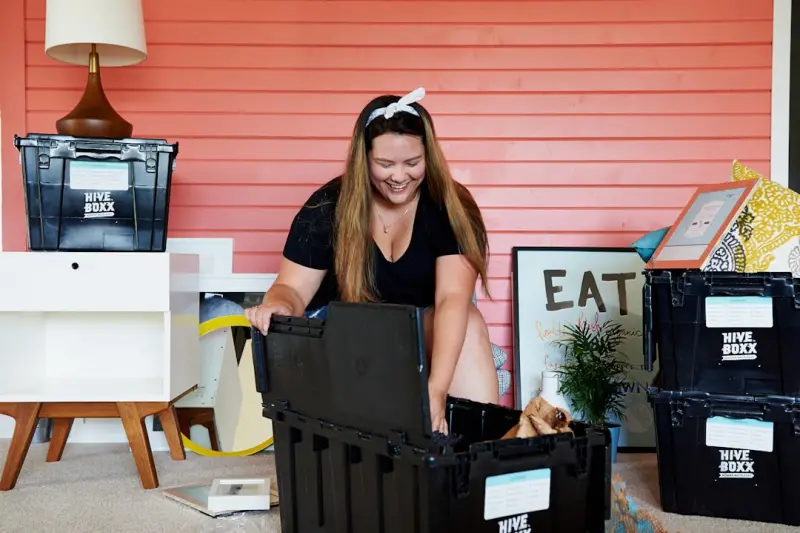
Living in a home that feels both welcoming and orderly often feels like a balancing act, especially when square footage is limited and the demands of daily life keep multiplying. I’ve spent countless evenings wrestling with piles of mail, stray toys, and random kitchen gadgets that never seem to find a proper home, and I realized the real culprit isn’t a lack of space but a lack of imagination about the items already at our fingertips. By re‑thinking the purpose of everyday objects—think cereal boxes, old wine crates, and even spare shoe boxes—we can transform forgotten corners into functional storage zones, and the best part is that these upgrades cost almost nothing while delivering a dramatic visual lift.
The Power of Under‑Utilized Corners
Most rooms harbor tiny, neglected spaces that are perfect for discreet storage, yet they often go unnoticed because we’re conditioned to think only in terms of large, obvious containers. Take the triangular gap beneath a stairwell or the narrow strip between a couch and a wall; a simple row of slim, decorative baskets can capture magazines, remote controls, or even knitting supplies without crowding the main floor area. When selecting containers, prioritize those with a low profile and a cohesive aesthetic—clear acrylic bins provide a visual cue while maintaining a light feel, whereas woven baskets add texture that blends seamlessly with a boho vibe. Strategically placed, these corner solutions turn what was once wasted space into a tidy, accessible hub for daily essentials, dramatically reducing the visual clutter that often overwhelms a room’s design.
Kitchen Containers: From Shelf to Storage
The kitchen is a goldmine for repurposing items that already sit on shelves, turning them into sleek organizers that keep countertops pristine. Empty coffee cans, once thoroughly cleaned, make excellent mini‑drawer dividers for spice jars or utensil handles, and they slip neatly into a drawer without requiring a custom insert. Similarly, a sturdy cardboard wine box can be cut and reinforced with decorative paper to become a countertop “snack station” that holds fruit, nuts, and a small cutting board, keeping these items off the cluttered work surface. For those who love a minimalist look, use a set of matching glass jars—originally intended for pantry staples—to store pantry items like beans and grains; the uniform shape creates a clean line that doubles as a visual cue for inventory, helping you avoid over‑buying. By viewing the kitchen as a modular system of interchangeable parts, you can digital twins of your own space, testing arrangements before committing to any permanent changes.
Bathroom Tidy Tricks
The bathroom, with its limited counter space and endless rows of toiletries, is ripe for clever storage that respects both hygiene and style. Repurpose a small, shallow dish rack as a vertical organizer for toothbrushes, razors, and travel-sized shampoos; its perforated design promotes airflow, preventing mold while keeping items upright and within easy reach. For a touch of elegance, line a vintage wooden tray with a thin layer of cork and use it to corral everyday essentials like cotton balls, lip balms, and nail clippers—this not only prevents items from scattering across the sink but also adds a warm, tactile element to the space. If you have a spare shower caddy, flip it upside down and attach it to the back of the bathroom door using adhesive hooks; this creates a hanging pocket for loofahs, small towels, and even a rolled‑up yoga mat for after‑shower stretches. These small adjustments ensure that every product has a designated home, dramatically reducing countertop chaos while preserving the bathroom’s serene ambiance.
Living Room Elegance with Hidden Storage
The living room often doubles as a showcase for décor, making it easy to let functional pieces become eyesores; however, integrating storage into the aesthetic is both possible and stylish. A set of decorative ottomans with removable tops can double as hidden compartments for board games, blankets, or seasonal décor, providing a sleek silhouette that invites guests to sit while keeping clutter out of sight. Pair this with a coffee table that features a lift‑top mechanism—these tables often include internal drawers or shelves that can hold magazines, remote controls, and even a small stack of books, keeping the surface clean for entertaining. For those who love a library feel without sacrificing space, line a low-profile console against a wall and install floating shelves; beneath the shelves, add a shallow drawer made from reclaimed pallet wood to stash cables, spare chargers, and small tech accessories. By weaving storage into the furniture itself, you create a living room that feels both spacious and thoughtfully curated.
Bedroom Bliss: Simplify Sleep Spaces
The bedroom should be a sanctuary of calm, yet a handful of nightstand clutter can quickly erode that peace, especially when small items like jewelry, glasses, and bedtime reads compete for space. Transform an old jewelry box into a bedside drawer organizer by adding a thin layer of felt at the bottom to protect delicate pieces, and allocate each compartment to specific categories—rings, earrings, and necklaces—so you never waste time searching for that missing stud. A set of slim, fabric‑covered baskets can line the base of the bed, offering a discreet home for extra pillows, seasonal blankets, or even a stack of soft toys; the fabric adds a touch of warmth while keeping the floor free of stray items. If you have a headboard with built-in shelves, use them for a curated selection of books and a small, low‑profile lamp, ensuring the lighting is both functional and atmospheric. These targeted storage tweaks not only free up surface area but also reinforce the bedroom’s role as a restful retreat.
Closet Overhaul: Maximize Every Shelf
A closet can quickly become a black hole for items you think you’ll need “later,” leading to a chaotic jumble of clothes, accessories, and forgotten shoes. Start by installing a series of thin, hanging organizers—think clear plastic pockets—that can hold scarves, belts, and small bags, turning vertical space into an accessible gallery of accessories. For shoes, repurpose a sturdy shoe rack that originally came with a garage storage set; paint it in a soft pastel to blend with the closet’s palette, then line each tier with a non‑slip mat to protect delicate heels. If you’re short on hanging space, use a set of tension rods beneath the existing rod to create a double‑layer system for shirts and blouses, effectively doubling the capacity without any permanent modifications. Finally, label each shelf with a simple DIY label made from cardstock and a rubber stamp, so you always know where each item belongs, making daily outfit selections faster and more enjoyable.
Seasonal Rotation: A Dynamic Approach to Storage
One of the most effective ways to keep a home organized year‑round is to rotate items based on the season, storing out‑of‑season pieces in a location that’s easy to access yet out of sight. Use a set of clear, stackable plastic bins—originally meant for laundry—labeled with the season, and place them on top of a sturdy wardrobe or under a bed with a low‑profile lift‑top mattress. Inside each bin, employ zip‑top pouches to further subdivide items such as scarves, gloves, and holiday décor, ensuring you can locate a single piece without unpacking the entire container. When the season changes, simply swap the bins, and the process repeats, giving you a fresh, clutter‑free environment each few months. This method not only reduces visual overload but also protects delicate items from dust and damage, extending their lifespan and maintaining a polished home aesthetic year after year.
Final Thoughts: Turn Everyday Objects into Design Assets
When you look around your home, the solution to clutter isn’t always a pricey storage unit; often, the answer lies in re‑imagining the purpose of items that already live in your house. By applying a mindset of creative repurposing—whether it’s a wine crate turned into a hallway shoe shelf, a set of vintage tins that become bathroom organizers, or a simple tension rod that doubles your closet capacity—you not only save money but also infuse your spaces with a personal touch that reflects your ingenuity. These subtle, low‑cost interventions empower you to maintain a tidy, aesthetically pleasing environment, proving that a little imagination goes a long way in making a house feel truly like a home.

Margaret Thomson is a seasoned freelance writer specializing in the dynamic worlds of marketing and advertising. With a career deeply rooted in the marketing field, Margaret brings a wealth of practical experience and insightful knowledge to her writing.
Related Posts
Transform Your Living Space with Low‑Tech, High‑Impact Hacks
Explore a series of budget‑friendly, low‑tech strategies—ranging from natural lighting tricks ... Read More
Creative Home Hacks to Elevate Everyday Living
Explore innovative, low‑cost home hacks that turn ordinary rooms into personalized retreats, impro... Read More

Turn Your Home Into an Energy‑Smart Hub Without Breaking the Bank
A practical guide that blends habit changes, budget‑friendly smart devices, and simple audits to t... Read More
Top Posts

From Data to Vitality: How Wearables Are Redefining Workplace Health
Wearable technology is transforming employee wellness from a reactive afterthought into a proactive, data‑driven strategy that boosts health, reduces burnout,...Read More

When AI Becomes the Blueprint of Product Design
AI is moving from a supporting role to a core co‑creator in SaaS product design. This post outlines a practical framework for integrating AI into ideation, va...Read More

Predictive Customer Journey Mapping: Turning Data into Actionable Growth
Learn how to shift from a static funnel to a dynamic, data‑driven journey map, using real‑time pipelines and predictive analytics to boost conversions and s...Read More

Decoding Google’s New Search Intent Framework: A Creator’s Playbook
A deep dive into Google’s fresh intent signals, practical steps to map content, and tactics to future‑proof your SEO strategy for lasting relevance....Read More
0 Comments
Post Comment
You will need to Login or Register to comment on this post!