
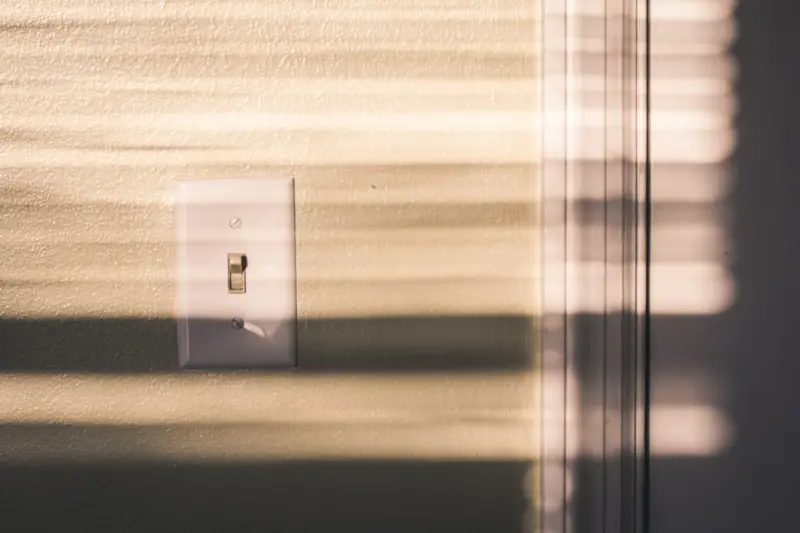
Why Light Matters More Than You Think
When I first swapped my cramped downtown office for a glass‑walled co‑working space, the first thing that hit me wasn’t the aroma of artisanal coffee—it was the light. Sunlight streamed in, bounced off polished surfaces, and suddenly my afternoon slump felt like a myth. It was a revelation that sparked a deeper curiosity: how much does illumination shape our health and performance?
The Science Behind the Glow
Our bodies are hard‑wired to respond to light. The suprachiasmatic nucleus (SCN) in the brain acts like a master clock, syncing everything from hormone release to body temperature based on the light‑dark cycle. When we expose ourselves to bright, blue‑rich light in the morning, cortisol spikes just enough to wake us up, melatonin stays at bay, and dopamine gets a gentle nudge toward focus.
Conversely, dim, warm light in the evening signals the SCN to start the melatonin rollout, preparing us for sleep. Disrupt that rhythm—say, by working under harsh fluorescent tubes from 9 am to 7 pm—and you’ll notice fatigue, irritability, and a dip in cognitive sharpness.
Hybrid Workplaces: A New Lighting Challenge
Hybrid teams bounce between home desks, coffee shops, and office hubs. Each environment brings its own lighting quirks:
- Home offices: Often lit by a single desk lamp, which may be too warm or too dim for sustained focus.
- Cafés: Natural light varies throughout the day; the ambient hum of chatter can mask the subtle cue of a sunrise.
- Corporate hubs: Many still rely on fluorescent fixtures designed for energy efficiency, not human well‑being.
When we switch settings without adjusting the light, we unintentionally stress our circadian system. The result? A subtle, cumulative dip in mood, creativity, and even immune function.
From Glare to Glow: Practical Steps for Healthier Illumination
Here’s a playbook that any hybrid professional can apply, regardless of budget:
- Morning Light Burst: Open blinds or step outside for at least 15 minutes of natural light within the first hour of your day. This jump‑starts the SCN and improves alertness.
- Task‑Specific Lighting: Use a bright, cool‑white lamp (≈4000–5000 K) for detailed work like coding or data analysis. Switch to a warmer hue (≈2700–3000 K) for reading or brainstorming sessions to reduce eye strain.
- Dynamic Controls: If your office supports ambient computing solutions, integrate light sensors that adjust brightness based on natural daylight levels. This creates a seamless transition from sunrise to sunset.
- Evening Wind‑Down: Dim the lights an hour before you intend to sleep. Use smart bulbs set to a warm amber tone; many apps let you schedule this automatically.
- Screen Management: Enable “night shift” or “blue light filter” modes after dusk. Pair this with a physical screen filter if you need extra protection.
Lighting as a Silent Team Builder
Beyond individual health, light can subtly influence team dynamics. Studies show that well‑lit meeting rooms foster higher participation and reduce perceived hierarchy. When everyone can see each other’s faces clearly, empathy spikes—a crucial factor for remote‑first teams that already miss out on hallway chats.
Consider a weekly “sunrise sync” where the entire squad gathers in a sun‑lit breakout area. The shared exposure to bright light not only aligns circadian rhythms but also creates a ritual that signals the start of collaborative energy.
When Light Meets Technology: The Emerging Role of Smart Fixtures
Smart lighting isn’t just about convenience; it’s a health tool. Sensors can track ambient light levels, occupancy, and even the time of day to modulate intensity and hue automatically. Some platforms integrate with calendar apps—when you schedule a “deep‑work” block, the lights shift to a high‑contrast, cool setting; when you mark a “focus‑free” period, they adopt a softer, warmer glow.
This integration mirrors the broader trend of ambient computing, where environments anticipate user needs without explicit commands. The health payoff is significant: reduced eye strain, stabilized circadian rhythms, and a measurable boost in productivity metrics.
Balancing Light with Digital Wellness
While light is a powerful lever, it works best when paired with other wellness habits. If you’ve ever tried a digital detox and felt the afterglow of mental clarity, you know that reducing screen overload complements optimal lighting. A holistic routine might look like:
- Morning sunlight exposure
- 30‑minute screen‑free window after lunch
- Evening dimming of both room lights and devices
- Weekly “light‑only” meetings (no video, just audio and bright room)
This synergy maximizes the restorative power of natural cues while minimizing the fatigue that comes from constant artificial glare.
Designing the Future Office: Light as a Core Asset
Architects and office designers are now treating illumination as a structural element, not an afterthought. The rise of “biophilic design” incorporates skylights, living walls, and daylight‑redirecting systems. Here are three emerging trends:
- Daylight Harvesting: Sensors capture excess daylight and feed it back into the building’s lighting grid, reducing energy waste while keeping workspaces bright.
- Human‑Centric Lighting (HCL): Systems mimic the natural progression of sunlight, delivering cool blue light in the morning and warm amber in the evening, aligning with our biological clock.
- Personal Light Pods: Small, adjustable stations where employees can fine‑tune intensity and color temperature for their specific tasks.
Investing in these solutions isn’t just an aesthetic choice; it’s a strategic one. Companies that prioritize health‑centric lighting report lower absenteeism, higher employee satisfaction scores, and a measurable uptick in creative output.
Measuring Impact: Simple Metrics to Track Light‑Driven Health Gains
If you’re skeptical, start small and measure:
- Energy Levels: Use a quick 1‑10 self‑rating before and after implementing a lighting change.
- Sleep Quality: Track bedtime and wake‑up times with a sleep app; note any improvements after evening dimming.
- Focus Sessions: Log the number of uninterrupted work blocks (e.g., Pomodoro cycles) you achieve each day.
- Team Engagement: Conduct brief pulse surveys after “bright‑room” meetings to gauge participation levels.
Within a month, patterns emerge. Most teams see a 10‑15 % increase in focused work periods and a modest boost in reported mood.
Conclusion: Light Up Your Health Strategy
Health isn’t just about what we eat or how many steps we take; it’s also about the invisible energy that bathes us every hour of the day. By treating light as a deliberate health lever—adjusting hue, intensity, and timing—you empower yourself and your team to thrive in the hybrid era. The next time you walk into a room, ask yourself: Is the lighting helping or hindering my well‑being? Then make the switch.

Sanji Patel has dedicated 25 years to the SEO industry. As an expert SEO consultant for news publishers, he emphasizes providing both technical and editorial SEO services to news publishers worldwide. He frequently speaks at conferences and events globally and offers annual guest lectures at local universities.
Related Posts

Micro‑Movements: Tiny Actions, Big Health Gains for the Modern Desk‑Dweller
Micro‑movements are brief, intentional motions that fit into any workday, offering measurable bene... Read More
Breathwork: The Quiet Revolution for Health and Focus
A practical guide on how mastering breathwork can transform mental clarity, emotional resilience, an... Read More

Your Eyes Deserve a Vacation: Simple Strategies to Beat Digital Eye Strain
Digital eye strain is a hidden health issue for remote professionals. Discover actionable tips—lik... Read More
Top Posts
Supercharging SaaS with Google’s Generative AI APIs
This post reveals how SaaS companies can integrate Google’s generative AI services—Bard, Vertex AI, and PaLM—into knowledge bases, data pipelines, and c...Read More
Beyond Keywords: Intent‑Centric SEO for B2B SaaS Growth
Traditional keyword‑focused SEO is outdated. This post shows how to build an intent‑centric content map, use audio and edge technologies, and measure succes...Read More

The Sensory Safari: Designing Trips That Engage All Five Senses
A deep dive into sensory travel, showing how sight, sound, taste, touch, and smell can transform ordinary trips into unforgettable experiences, with practical t...Read More

Zero‑Click SEO: Turning Featured Snippets into SaaS Leads
Zero‑click searches dominate modern SERPs, turning featured snippets into prime real‑estate for SaaS brands. Learn how to structure content, use schema, and...Read More
0 Comments
Post Comment
You will need to Login or Register to comment on this post!