
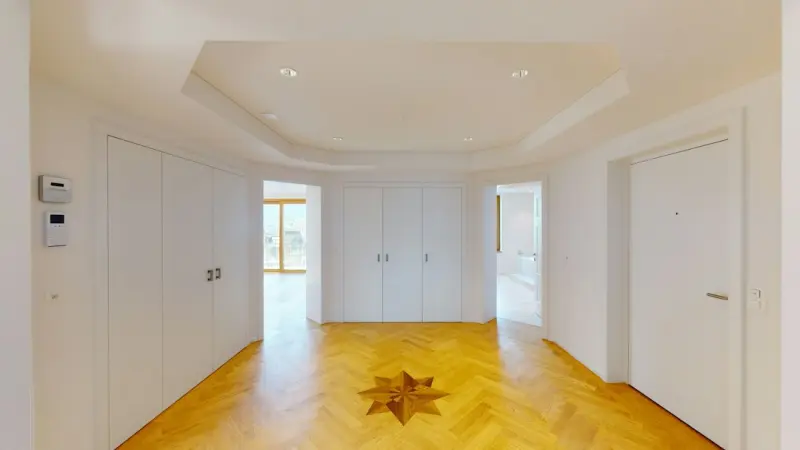
Walking into my house used to feel like stepping into a neutral zone—nothing exciting, a quick drop of shoes, a glance at the cluttered coat rack, and then straight to the kitchen or living room. One rainy afternoon, after tripping over an abandoned umbrella, I realized my front hall was the unsung hero of my home’s daily rhythm. If you’re like me, that narrow strip of space is often overlooked, yet it’s the first impression you give yourself every day and the last one you see before you head out. Below is my step‑by‑step playbook for turning that overlooked corridor into a functional, joyful hub that welcomes you, organizes the chaos, and even lifts your mood.
Why the Front Hall Deserves More Love
Most of us treat the entryway as a mere passageway, but it actually performs three critical jobs:
- Transition Zone: It bridges the outside world and the sanctuary of your home, helping you mentally shift gears.
- Organizational Hub: Shoes, coats, keys, mail—these daily touchpoints converge here.
- First‑Impression Stage: Even if you’re the only regular visitor, the way you greet yourself sets the tone for the day.
When these roles are neglected, you end up with mental friction—searching for keys, a pile of shoes, a damp coat draped over a chair. That friction adds up, draining energy that could be spent on more meaningful tasks.
Step 1: Declutter with Intentional Categorization
Before you reach for a paintbrush or a new storage unit, take a hard look at what’s currently occupying that space. I follow a simple three‑bucket system: Keep, Relocate, and Discard. Here’s how I applied it:
- Keep: Items you truly need at the door—shoes you wear regularly, a small umbrella, a key tray.
- Relocate: Things that belong elsewhere, like a bag you only use for gym sessions (store it in the mudroom) or a decorative vase that belongs on a side table.
- Discard: Broken umbrellas, out‑of‑style décor, or that mystery pair of shoes you’ve never worn.
When you finish, you’ll have a clean slate that makes the next steps feel like a design canvas rather than a cleanup chore.
Step 2: Choose a Layout That Matches Your Lifestyle
Every household has a rhythm. Some families come and go constantly; others have a more static routine. My layout reflects a high‑traffic, low‑storage philosophy because I’m always in a hurry. Here are three common layout archetypes you can adapt:
- Vertical Stack: Ideal for narrow hallways. Install a tall, slim coat rack with hooks for bags and a narrow shelf at the top for seasonal items.
- Horizontal Flow: Works well in wider entries. Use a low console table for mail and keys, paired with a bench that doubles as shoe storage.
- Hybrid Zone: Combine a small bench with hidden storage underneath, a floating shelf for décor, and a wall‑mounted rack for umbrellas.
Pick the one that feels natural for your daily movements. I went with the hybrid zone because it gives me a place to sit while I lace my shoes and a discreet spot to stash the umbrella before I head out.
Step 3: Add Smart Storage Solutions (Without Going Overboard)
Storage doesn’t have to be bulky. Below are my favorite low‑profile options that blend form and function:
- Key Caddy with RFID Tags: Attach small RFID tags to your keys and sync them with a phone app. The moment you place the keys in the caddy, you’ll get a gentle notification confirming they’re in the right spot. This tiny tech upgrade can save you minutes each week.
- Bench with Hidden Baskets: Choose a bench that opens to reveal a basket for shoes or a tote bag for quick grab‑and‑go items.
- Wall‑Mounted Magnetic Strip: Perfect for metal tools, spare keys, or decorative metal objects that you want to keep visible but out of the way.
- Pull‑Out Mail Organizer: A slim drawer that slides out for incoming mail, keeping the countertop free of paper clutter.
If you’re looking for broader inspiration on how to make your home office more efficient, check out the home office powerhouse guide. The same principles of smart storage apply there, too.
Step 4: Light It Up—Natural and Artificial
Lighting can dramatically affect how you feel when you walk through the hall. Here’s my two‑pronged approach:
- Maximize Natural Light: If your front door faces a sunny street, consider a light‑filtering glass panel or a simple translucent curtain. Even a small trickle of daylight can boost mood and make the space feel larger.
- Layered Artificial Light: Install a recessed LED strip along the ceiling for ambient illumination. Add a wall sconce with a warm color temperature (2700‑3000K) for a cozy vibe, and a small pendant light above the bench for task lighting when you’re tying shoes.
Pro tip: Use LED bulbs that are rated for energy efficiency. For a deeper dive into saving energy throughout your home, the energy-saving hacks article breaks down the most effective low‑cost upgrades.
Step 5: Introduce Gentle Scent and Sound
Our senses are powerful mood regulators. A faint citrus or pine scent can awaken the mind, while a soft ambient sound can calm nerves. Here’s what works best in a front hall:
- Scent: Place a small, rechargeable essential‑oil diffuser near the entry. A few drops of peppermint or eucalyptus create an invigorating welcome.
- Sound: A discreet Bluetooth speaker set to a low volume can play a curated “morning playlist” that eases you into the day. If you prefer silence, a white‑noise machine can mask outdoor traffic sounds.
If you’re already exploring ways to make your entire home a stress‑free sanctuary, this sensory upgrade aligns perfectly with that philosophy.
Step 6: Personalize Without Cluttering
Personal touches make the entryway feel like yours, but they should never become visual noise. I recommend:
- One Statement Piece: A large, eye‑catching artwork or a decorative mirror that reflects light.
- Seasonal Swaps: Rotate a small vase of fresh flowers or a seasonal wreath every few weeks. This keeps the space feeling fresh without adding permanent items.
- Functional Décor: Use attractive trays for keys and mail, or a stylish bowl for loose change. The goal is to blend utility with aesthetics.
Step 7: Build a Routine—The “5‑Minute Hall Reset”
All the design work in the world won’t help if you don’t maintain it. I’ve instituted a quick nightly ritual:
- Put shoes back in the bench basket.
- Hang coats and jackets.
- Clear the mail organizer and file or recycle items.
- Wipe the bench and any surfaces with a microfiber cloth.
- Turn on the diffuser for a 5‑minute aromatic reset.
This “5‑minute hall reset” ensures the space stays tidy and welcoming for the next morning. It also gives you a moment of calm before you dive into the day’s hustle.
Step 8: Leverage Tech for Convenience (Optional)
If you love smart‑home gadgets, consider these additions:
- Smart Doorbell: Shows you who’s at the door on a nearby screen, so you can decide whether to answer without opening the front door.
- Voice‑Activated Light Switch: Dim the lights with a simple command—perfect for late‑night arrivals.
- Temperature Sensor: Connect a smart thermostat to maintain a comfortable temperature right at the entry, preventing that initial shock of a cold floor in winter.
These upgrades are optional, but they can turn a functional hub into a seamless part of your smart home ecosystem.
Putting It All Together: My Before‑and‑After Snapshot
Before the makeover, my front hall was a mishmash of shoes, a leaning coat rack, and a pile of mail that threatened to become a permanent feature. After implementing the steps above, here’s what changed:
- Clutter Reduced: 60% fewer items on the floor.
- Time Saved: I locate my keys in under 10 seconds every morning.
- Mood Boost: The fresh scent and natural light give me an instant lift.
- Home Value: Small upgrades like a new console and lighting add perceived value without a massive budget.
Most importantly, I now walk into a space that feels intentional, welcoming, and ready for the day—rather than a chaotic hallway that adds stress.
Final Thoughts: Make Your Front Hall Work for You
Turning the entryway into a functional, joyful hub isn’t just about aesthetics; it’s about aligning the space with your daily habits, leveraging smart storage, and adding sensory touches that set a positive tone. Whether you adopt all the steps or start with one or two, the transformation will be noticeable the moment you step inside.
Remember, the front hall is the first chapter of your home’s story each day. Write it well, and you’ll find the rest of the narrative flows a little smoother.

Shawn DesRochers is a certified Microsoft technician and Programmer with 30+ year's experience. He has written many reviews on computer related products, software, and SEO related topics. When he's not writing reviews he can be found at one of the Oldest Directories Online Business Directory USA which he is the CEO of.
Related Posts

Breathe Easy: A Practical Guide to Boosting Indoor Air Quality at Home
Discover practical, budget-friendly strategies to enhance the air you breathe at home, from natural ... Read More

The Low‑Maintenance Indoor Garden: Green Living for Busy Homes
A practical guide to creating a thriving indoor garden with minimal effort, perfect for busy profess... Read More
Creating a Sensory Sanctuary at Home: A Step‑by‑Step Guide
Discover a step‑by‑step method to turn any room into a sensory sanctuary, blending light, textur... Read More
Top Posts

Niche Influencer Communities: The Quiet Power Behind B2B Growth
Niche influencer communities, built on authentic expertise and two‑way value exchange, are emerging as a quiet yet powerful engine for B2B growth, offering tr...Read More

Navigating Google’s AI Wave: Rose DesRochers’ Insider Playbook for 2024
Rose DesRochers shares an insider’s playbook for thriving in Google’s AI‑driven search era, offering actionable steps to adapt content, link building, and...Read More

Why a Daily Digital Fast Is the Brain’s Missing Super‑Fuel
A daily hour without screens can reset your brain’s reward system, lower stress hormones, improve sleep, and spark creativity—turning a simple digital fast ...Read More
Unlock Hidden Comfort: Everyday Home Tweaks That Transform Your Space
Explore practical, low‑cost adjustments—from light and scent to smart tech—that instantly elevate comfort and style in any home. Small changes, big impact...Read More
0 Comments
Post Comment
You will need to Login or Register to comment on this post!