
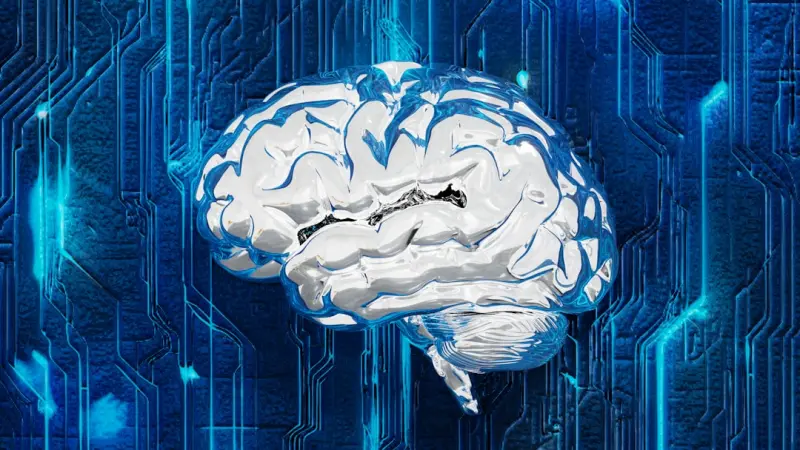
Why a Daily Digital Fast Is the Brain’s Missing Super‑Fuel
When I first tried to carve out a single hour without any screens, my mind rebelled. The urge to check emails, scroll feeds, or reply to a Slack ping was almost physical. Yet, after the initial discomfort, something unexpected happened: my thoughts cleared, my focus sharpened, and a subtle calm settled over my entire day. This isn’t a new‑age myth—it’s a neurological reality backed by decades of research. In a world where the average professional is glued to a device for more than ten hours a day, a disciplined digital fast can become the most accessible, low‑cost health hack you’ll ever adopt.
The Science Behind the Noise
Every notification triggers a dopamine spike. The brain, wired for reward, quickly learns to associate the ping of a message with a burst of pleasure. Over time, this creates a feedback loop that fuels compulsive checking. Chronic exposure to this loop raises baseline cortisol, the hormone of stress, and impairs the prefrontal cortex—the region responsible for decision‑making, impulse control, and emotional regulation. Studies show that even brief periods of continuous scrolling can reduce gray matter density in the hippocampus, the memory center. In short, the very devices we rely on for productivity can erode the neural foundations of that productivity.
What a Digital Fast Looks Like in Practice
A digital fast doesn’t have to be a marathon. The most sustainable approach is a daily “quiet window” where you deliberately step away from all screens—smartphones, laptops, tablets, even the television. Choose a time that aligns with natural energy dips, such as the mid‑morning slump or the post‑lunch lull. During this window, engage in analog activities: reading a physical book, journaling, stretching, or simply sitting in silence. The goal is not to punish yourself but to give the brain a chance to reset its reward circuitry.
Designing Your Space for a Faster
Physical environment plays a massive role in how successful your fast will be. If your home office doubles as a lounge with a TV and a phone charger on the desk, the temptation will be relentless. Consider micro‑zoning your home to create a dedicated “screen‑free zone.” This could be a small corner with a comfortable chair, a floor lamp, and a shelf of paper books. By compartmentalizing work tools from relaxation tools, you signal to your brain that it’s time to switch modes, making the transition into a fast smoother.
Micro‑Breaks vs. Macro‑Fasts
While the daily hour is the cornerstone, sprinkling short, intentional breaks throughout the day amplifies the benefits. The Pomodoro technique—25 minutes of focused work followed by a 5‑minute break—can be tweaked to include a 30‑second “screen‑off” moment where you close your eyes, breathe, and release tension. Over a typical eight‑hour day, these micro‑breaks add up to an extra ten minutes of true downtime, reinforcing the habit of stepping away without feeling like you’re losing productivity.
How a Fast Improves Sleep Quality
Even if you stop scrolling an hour before bed, the blue light emitted by screens continues to suppress melatonin production for up to an hour afterward. By extending your fast into the evening—say, a two‑hour window before sleep—you give your circadian rhythm a chance to reset naturally. The result is deeper REM cycles, faster sleep onset, and fewer nighttime awakenings. Better sleep, in turn, strengthens memory consolidation, mood regulation, and immune function.
Boosting Creativity and Problem‑Solving
Creative insight often emerges when the brain is in a relaxed, wandering state—what psychologists call the “default mode network.” Constant digital stimulation keeps the brain locked in task‑oriented mode, stifling that free‑flow thinking. During my own fasts, I’ve found that solutions to stubborn work problems surface while I’m cooking, walking the dog, or simply staring out the window. By allowing the mind to drift, you unlock a well of subconscious processing that can turn a routine project into a breakthrough.
From Personal Experiment to Team Practice
As a leader, modeling healthy habits can shift an entire organization’s culture. I introduced a “digital sunset” policy for my team: no internal messaging after 7 p.m. The impact was immediate—team members reported lower stress, higher satisfaction, and a noticeable uptick in the quality of their work. It also reduced after‑hours email overload, freeing up mental bandwidth for strategic thinking during core hours. When you champion a daily fast, you’re not just improving your own health; you’re cultivating a more resilient, focused workforce.
The Role of Technology—When It Helps, Not Hinders
Ironically, technology can be a powerful ally in enforcing a digital fast. Apps that block distracting sites, set screen‑time limits, or schedule “do‑not‑disturb” windows can automate the hardest part of the process—resisting the urge to check. However, it’s essential to choose tools that serve the fast, not undermine it. For instance, using a habit‑tracking app to log your fasts creates a visual reminder of progress without adding another notification layer. If you prefer a low‑tech approach, simply place your phone in a drawer during your fast window.
Linking Fast Success to Broader Health Metrics
Beyond mental clarity, a consistent digital fast can influence cardiovascular health. Stress hormones like cortisol raise blood pressure; reducing chronic stress through intentional downtime can lower those readings. Additionally, the increased likelihood of moving away from a desk—whether to stretch, brew tea, or take a brief walk—adds modest physical activity, which contributes to better metabolic health. Over months, these small shifts compound into measurable improvements in heart rate variability, a key indicator of autonomic nervous system balance.
Case Study: Turning a Tech Blog into a Health Blueprint
When I needed to illustrate the power of habit formation, I repurposed a piece on technical documentation SEO into a health‑focused framework. By mapping the systematic steps of content optimization—audit, refine, measure—onto the process of building a digital fast, I demonstrated how a disciplined, data‑driven approach can make habit formation as reliable as any marketing funnel. The parallel reinforced that health isn’t a mystical pursuit; it’s an iterative practice that benefits from the same rigor we apply to business growth.
Common Pitfalls and How to Overcome Them
1. All‑or‑nothing thinking. If you miss a fast, don’t abandon the habit. Treat each day as a fresh start.
2. Choosing the wrong window. If your fast coincides with your most stressful tasks, resistance will be high. Test different times to find the sweet spot.
3. Filling the void with other screens. Replace phone time with tactile, non‑digital activities—puzzles, sketching, or cooking.
4. Neglecting social support. Share your goal with a colleague or friend; accountability increases adherence by up to 30%.
Measuring the Impact
Tracking progress doesn’t require complex analytics. Simple metrics like “hours of uninterrupted focus,” “number of times I reached for my phone during the fast,” and “subjective stress rating (1‑10)” provide actionable feedback. Over weeks, you’ll notice trends: fewer phone checks, longer deep‑work sessions, and lower stress scores. For those who love data, consider logging these metrics in a spreadsheet and visualizing the trajectory with a line chart—watching the downward slope of stress become as satisfying as any KPI.
Integrating the Fast into a Holistic Wellness Routine
A digital fast is most potent when paired with other evidence‑based practices: regular aerobic exercise, balanced nutrition, and adequate hydration. Think of the fast as the mental component of a triad that also includes physical movement and nutritional fuel. Together, they create a synergy that boosts immune resilience, sharpens cognition, and stabilizes mood—essential ingredients for sustained high performance in any demanding role.
Final Thoughts: The Power of One Hour
In a culture that glorifies hustle, taking a step back can feel radical. Yet the research is clear: intentional disconnection is a catalyst for mental, emotional, and physical health. By committing to a daily digital fast, you give your brain the space it needs to repair, reorganize, and rejuvenate. The payoff isn’t just a quieter mind; it’s a sharper edge in your professional life, a deeper well of creativity, and a healthier body that can sustain the grind for years to come. Start with ten minutes tomorrow, extend to an hour, and watch the transformation unfold.

Paul Flynn is a versatile freelance writer equipped with a diverse skillset and a portfolio that reflects his wide-ranging interests and expertise. From crafting compelling website copy and engaging blog posts to delivering in-depth articles and meticulously researched reports, Flynn demonstrates a remarkable ability to adapt his writing style to suit various audiences and purposes.
Related Posts
The Hidden Power of Micro‑Breaks: Rewiring Your Brain for Resilience
Micro‑breaks, those 30‑second to five‑minute pauses, are a powerful yet overlooked tool for me... Read More

Why Your Spine Deserves a SaaS‑Style Upgrade
Discover how treating your posture like a mission‑critical SaaS service can turn chronic back pain... Read More

Forest Bathing for Remote Professionals: Rewilding Your Workday
Explore the science behind forest bathing, learn actionable steps to integrate nature into your remo... Read More
Top Posts

The Low‑Maintenance Indoor Garden: Green Living for Busy Homes
A practical guide to creating a thriving indoor garden with minimal effort, perfect for busy professionals who want the health and aesthetic benefits of plants ...Read More

Google AI Marketing Secrets: Stay Human and Thrive
From my front‑line experiments with Google AI, I reveal how to blend data, creativity, and humanity, ensuring your brand rides the wave without losing its sou...Read More
Micro‑Influencer Networks: The Quiet Power Shaping Digital Marketing
Explore the rise of micro‑influencer networks, data‑driven storytelling without cookies, and voice‑enabled commerce to build authentic, high‑ROI digital...Read More
From Clicks to Conversations: Rethinking Digital Marketing with Community‑Driven Experiences
A deep dive into building community‑driven digital marketing strategies that turn passive clicks into active conversations, fostering loyalty, co‑creation, ...Read More
0 Comments
Post Comment
You will need to Login or Register to comment on this post!