
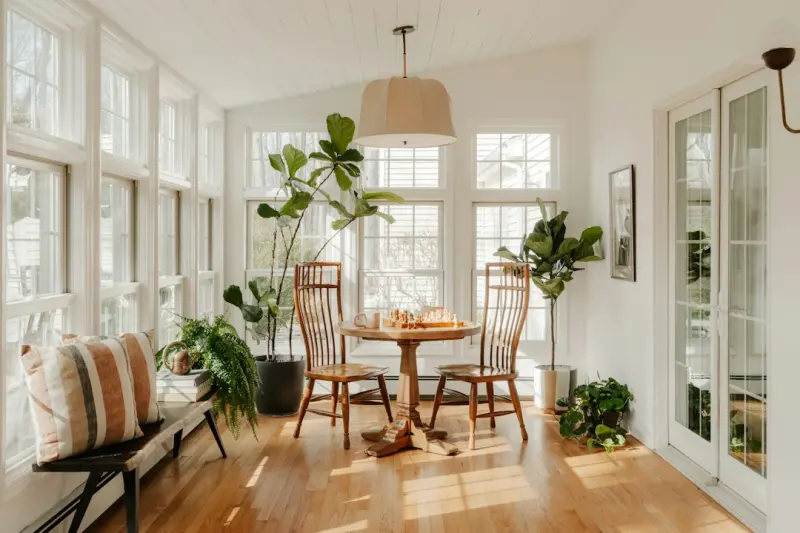
When I first started treating my living space like a personal retreat, the shift was unmistakable. I wasn’t chasing the latest smart‑home gadget or obsessively decluttering; I was simply asking, “What does my body need to feel safe, energized, and balanced the moment I walk through the door?” The answer unfolded in layers—scent, texture, sound, light, and greenery—each a quiet lever that can turn a chaotic house into a calming sanctuary.
1. The Power of Smell: Curating a Home Fragrance Profile
Our noses are wired to the limbic system, the brain region that governs memory and emotion. A single whiff of lavender can signal relaxation, while citrus notes can spark alertness. Instead of relying on generic air fresheners, consider purposeful scent stations that you can move from room to room.
- Essential‑oil diffusers: Choose a blend that matches the activity—peppermint for a home office boost, sandalwood for evening wind‑down.
- Herb bundles: Hang small bunches of rosemary or sage in the kitchen to keep cooking aromas fresh and uplifting.
- DIY sachets: Fill breathable fabric pouches with dried rose petals and a few drops of bergamot oil; tuck them into drawers for subtle, long‑lasting fragrance.
By rotating scents based on time of day or task, you train your brain to associate each aroma with a specific mental state, making the transition from work mode to home mode smoother.
2. Texture Tactics: Softening Hard Surfaces
Hard, cold surfaces can amplify stress, especially in open‑plan layouts. Introducing tactile variety softens the visual landscape and invites the body to relax.
- Area rugs: A plush, low‑pile rug under your desk not only reduces echo but also gives your feet a gentle cushion, encouraging better posture.
- Throw blankets and cushions: Mix natural fabrics like linen, wool, and cotton. Their different weaves stimulate the skin and create visual interest.
- Wall hangings: Macramé, woven baskets, or even a textured canvas can break up the monotony of bare walls, adding depth without clutter.
When choosing textures, aim for a balance—pair a smooth marble countertop with a rough stone backsplash, or a sleek glass coffee table with a chunky wooden sideboard. The contrast keeps the environment dynamic yet soothing.
3. Soundscapes: Crafting Quiet and Calm
Noise pollution is the silent stressor many of us overlook. While some homes already have the advantage of a quiet street, most of us contend with traffic, appliances, or the occasional neighbor’s music. Rather than simply silencing everything, I’ve learned to shape sound in the home.
- Soft background music: Low‑tempo instrumental playlists or nature sounds can lower cortisol levels. A short soundtrack of your day can become a ritual that signals relaxation.
- Acoustic panels: Simple DIY panels made from fabric‑wrapped insulation can be mounted on walls behind a TV or in a home office to absorb echo.
- White‑noise machines: A gentle hiss can mask intrusive noises, making it easier to focus or drift to sleep.
Experiment with placement. A speaker playing soft rain near your reading nook can make that space feel like a private oasis, even if the rest of the house is bustling.
4. Light as a Mood Modifier
While the recent post on ambient light covered the science, I want to focus on practical ways to harness that science without turning your home into a tech lab.
- Layered lighting: Combine ambient (overhead), task (desk lamp), and accent (wall sconces) lighting. This mimics natural light patterns, keeping your circadian rhythm in sync.
- Smart bulbs with warm tones: Use warmer hues (2700‑3000K) in the evening to signal melatonin production, and cooler tones (4000‑5000K) in the morning to boost alertness.
- Window treatments: Sheer curtains diffuse harsh midday sun while still allowing natural light—perfect for a calm, airy feel.
Even a single change—like swapping a harsh fluorescent fixture for a dimmable LED—can shift the emotional tone of a room.
5. Green Therapy: Houseplants for Air & Mood
Plants are nature’s air purifiers, but they also provide a visual cue that life is thriving inside your walls.
- Snake plant (Sansevieria): Low maintenance and excellent at removing formaldehyde.
- Peace lily (Spathiphyllum): Releases moisture into the air, aiding breathing in dry climates.
- Herb garden on the windowsill: Basil, mint, and thyme not only smell amazing but also give you fresh ingredients for cooking.
Position taller plants near entryways to create a welcoming “green curtain.” Smaller pots on shelves add vertical interest, turning empty corners into mini‑forests.
6. Micro‑Zones: Designing Purpose‑Specific Corners
Instead of trying to make an entire room serve every function, carve out micro‑zones that cater to distinct activities. This reduces decision fatigue and reinforces mental boundaries.
- Reading nook: A comfortable chair, a small lamp, a blanket, and a side table for tea. Add a low‑profile bookshelf to keep your favorite titles within reach.
- Morning stretch area: A yoga mat rolled out near a window, with a speaker for calming music and a plant for fresh oxygen.
- Creative corner: A small desk with a cork board, markers, and inspirational prints. Keep it uncluttered to spark ideas, not overwhelm.
These zones don’t require extra square footage; they’re about rearranging existing furniture and adding a few intentional accessories.
7. Simple Systems That Support Calm
While I’m not advocating a full‑blown home automation overhaul, a few low‑effort systems can keep chaos at bay.
- Entryway drop zone: A basket for keys, a hook for coats, and a shallow tray for mail. This prevents the “out‑the‑door” scramble.
- Night‑time reset routine: A small tray on the bedroom dresser for a journal, a glass of water, and a dim lamp. By the time you’re ready for sleep, you’ve already signaled to your brain that it’s winding down.
- Weekly “sensory reset”: Spend 15 minutes each Sunday adjusting scents, rotating blankets, or repositioning plants. It keeps the sanctuary feeling fresh.
These tiny habits compound, turning a reactive environment into a proactive, soothing one.
8. The Psychology Behind a Sensory Sanctuary
Research shows that multi‑sensory environments reduce stress hormones by up to 30 %. When your brain receives consistent signals—soft lighting, pleasant scent, gentle sound—it interprets the space as “safe.” This safety cue lowers the amygdala’s alarm response, making you more relaxed and creative.
In practice, this means you’ll notice: fewer headaches, better sleep, and a heightened ability to focus on tasks without feeling drained. It’s not magic; it’s neuroscience meeting intentional design.
9. Personal Story: My First “Sensory Sunday”
My breakthrough came one lazy Saturday afternoon. I set a timer for 20 minutes, turned off my phone, and followed these steps:
- Lit a vanilla‑cinnamon candle on the coffee table.
- Switched the overhead bulb to a warm amber hue.
- Unfolded a soft, hand‑woven throw over the sofa.
- Placed a small speaker playing distant ocean waves.
- Sprinkled a handful of eucalyptus leaves around the room.
Within minutes, my shoulders unclenched, my thoughts slowed, and I felt an unexpected surge of gratitude. That simple ritual has since become a weekly ritual I call “Sensory Sunday.”
10. Bringing It All Together: A Step‑by‑Step Checklist
Ready to transform your home? Use this checklist to make sure you hit every sensory checkpoint.
- Scents: Choose three essential oils—one for focus, one for relaxation, one for energizing. Keep them in labeled diffusers.
- Textures: Add a rug, a throw, and a wall hanging in the primary living area.
- Sound: Install one acoustic panel, set up a low‑volume playlist, and consider a white‑noise machine for the bedroom.
- Light: Swap at least one harsh fixture for a dimmable warm LED. Hang sheer curtains on the main window.
- Plants: Place a tall snake plant near the entry, a peace lily in the bathroom, and a herb window box in the kitchen.
- Micro‑zones: Define a reading nook, a stretch area, and a creative corner with purposeful furniture.
- Systems: Set up an entryway drop zone and a nightly reset tray.
Implementing these items one at a time keeps the process manageable and lets you notice which changes have the biggest impact on your mood.
11. The Bigger Picture: Why Home Matters for Work and Life
In an era where remote work blurs the line between office and living room, your home becomes the central hub for productivity, health, and relationships. A well‑designed sensory sanctuary doesn’t just feel nice; it acts as a silent partner, quietly boosting focus when you need to meet a deadline and easing tension after a long day of video calls.
Think of it as an invisible operating system for your wellbeing. Just as businesses invest in robust IT infrastructure, you can invest in a sensory infrastructure that runs in the background, keeping you operating at peak performance.
12. Final Thoughts: Small Tweaks, Big Returns
The beauty of a sensory sanctuary is that it’s built on small, intentional tweaks—not on costly remodels. By paying attention to what your body craves—calming aromas, gentle textures, soothing sounds, warm light, and fresh greenery—you create a home that nurtures you from the moment you step inside.
Start with one sense, experiment, and expand. Over time, you’ll find that the cumulative effect is a home that not only looks good but feels like a true refuge, ready to support every facet of your life.

David Moore is a freelance writer specializing in two dynamic and ever-evolving fields: gambling and the tech industry. With a keen eye for detail and a knack for unraveling complex topics, David delivers insightful and engaging content that keeps readers informed and entertained.
Related Posts
The Secret to a Clutter-Free Home: Low‑Tech Hacks That Actually Stick
A hands‑on guide to low‑tech home organization, featuring simple audits, vertical storage, and d... Read More

Quiet Comfort: How to Tune Your Home’s Acoustics for Better Living
A practical guide to enhancing acoustic comfort at home, offering budget‑friendly tips—from rugs... Read More

Crafting a Calm, Productive Sanctuary at Home
Discover practical steps to turn any house into a calm, productive sanctuary—zone planning, layere... Read More
Top Posts

Sustainable Gear Hacks for the Modern Tech Nomad
A practical guide for tech professionals on choosing sustainable travel gear, leveraging data‑driven packing, and integrating eco‑friendly habits to stay pr...Read More

Cracking the ‘People Also Ask’ Box: How to Turn Google’s FAQ Feature into a Traffic Engine
Learn to harness Google’s People Also Ask feature, turning fleeting FAQ snippets into a steady stream of qualified visitors using simple, data‑driven strate...Read More

Decentralized Communities: The Next Frontier for B2B Digital Marketing
Decentralized platforms are turning B2B SaaS marketing from a broadcast model into a co‑creation ecosystem, leveraging token‑gated content, earned data, and...Read More

Conversational Storytelling: How Real‑Time Chat Boosts B2B Digital Marketing
Learn why conversational storytelling—blending real‑time chat, intent scoring, and dynamic narratives—is the next big shift in B2B digital marketing, and ...Read More
0 Comments
Post Comment
You will need to Login or Register to comment on this post!