

Travel, for me, has always been less about checking landmarks off a list and more about listening to the subtle conversations between a place and its people. I’ve spent countless hours wandering cobblestone alleys, sipping tea in family-run cafés, and catching the faint hum of a market that never quite sleeps. Those moments—when you’re not a tourist, but a quiet participant in a living story—have the power to reshape how you see the world and, surprisingly, how you show up back at your desk.
Why the Small Detour Beats the Iconic Photo Op
There’s a strange magnetism to the “must‑see” attractions. They’re everywhere: glossy brochures, algorithm‑driven recommendations, even that friend who can’t stop talking about the Eiffel Tower’s sparkle at night. Yet, the moment you stand in front of a crowd‑pleaser, you’re often surrounded by hundreds of strangers, each framing the same view through the lens of a smartphone.
The magic happens when you step off the beaten path. A side street with a single bakery, a tucked‑away park where locals practice tai chi at sunrise, or a neighborhood mural that tells a story you can’t find on any travel guide. These small detours demand curiosity, patience, and a willingness to get a little lost—qualities that, in my experience, translate directly into stronger creative thinking at work.
Embracing the “Travel as Listening” Mindset
Think of traveling as a conversation. When you arrive somewhere new, you’re not just observing; you’re listening— to the cadence of the language, the rhythm of daily routines, the unspoken etiquette of a shared table. In practice, that means:
- Slowing your pace. Instead of hopping from museum to museum, linger at a single courtyard and watch how the day unfolds.
- Choosing local transport. A rickshaw, a bike-share, or even a foot‑only route forces you to engage with the environment in a way a car never will.
- Opening dialogue. Ask the person behind the counter how their day is going, or why they chose that particular spice blend. You’ll often learn more about a culture’s values than any brochure could convey.
These practices echo what many high‑performance professionals chase in the office: genuine insight over surface‑level data. If you’re curious about how to apply a similar philosophy to your digital life, check out digital detox strategies that help you tune out the noise and tune into what truly matters.
Mapping the Journey: A Flexible Framework, Not a Rigid Itinerary
My own travel planning has evolved from a spreadsheet of “must‑see” sights to a flexible framework that leaves room for spontaneity. Here’s a three‑step approach I use, whether I’m heading to a bustling metropolis or a remote mountain village:
- Identify the “anchor” experience. This is the one thing you’re most excited about—a cooking class, a sunrise hike, a local festival. Treat it as a guidepost, not a deadline.
- Allocate “free blocks.” Set aside half of each day with no specific agenda. Use those hours to wander, talk to strangers, or simply sit in a café and watch life pass by.
- Reflect and adjust. At the end of each day, jot down a quick note about what surprised you. Let those insights reshape the next day’s plan.
This method mirrors the agile mindset popular in tech: iterate, learn, pivot. It also aligns with the idea of nature soundscapes that help remote professionals find focus—by allowing the environment to inform the workflow rather than forcing the workflow onto the environment.
The Power of “Travel‑Only” Skills
When you immerse yourself in unfamiliar settings, you inadvertently develop a toolbox of soft skills that are highly prized in any workplace:
- Adaptive communication. Learning to convey ideas across language barriers sharpens clarity.
- Problem‑solving under uncertainty. Missed trains or sudden rainstorms force quick, creative fixes.
- Cultural empathy. Understanding different customs builds a foundation for inclusive teamwork.
- Observation. Spotting subtle cues—like a vendor’s body language—hones the ability to read market signals.
Each of these competencies can be practiced on a weekend getaway, a business trip, or even a “staycation” that forces you out of your comfort zone.
Travel Light, Travel Deep: Packing the Right Mindset
Physical packing is often a metaphor for mental preparation. I’ve discovered three “must‑pack” mental items that make any trip richer:
- Curiosity. Treat every interaction as a chance to learn something new, even if it’s just the taste of a regional fruit.
- Humility. Accept that you’re a guest, not a judge. Let locals lead you to hidden gems.
- Patience. Delays and missteps are inevitable. Embrace them as part of the narrative, not as setbacks.
When you travel with this mindset, you’ll find that the most rewarding experiences often happen when you least expect them—like stumbling upon a rooftop poetry reading in a tiny town or joining a spontaneous dance circle on a beach.
Technology as a Companion, Not a Crutch
Modern travel tools can be a double‑edged sword. While a translation app can bridge language gaps, over‑reliance on GPS can rob you of serendipity. My rule of thumb: use technology to enhance, never replace, the organic experience.
Here are a few ways to strike that balance:
- Pre‑download offline maps. They give you navigation power without constant internet cravings.
- Set “screen‑free” windows. Designate meals or walks as phone‑free zones to stay present.
- Leverage community platforms. Instead of searching for “top attractions,” look for local forums where residents share hidden spots.
If you’re interested in how ambient technology can subtly improve productivity, the ambient computing movement offers fascinating insights—though it’s best to keep it in the background while you’re on the move.
From Journey to Return: Integrating Travel Insights at Home
Returning from a trip often feels like stepping back into a familiar room that suddenly looks different. The key is to capture that fresh perspective before it fades. I recommend a simple post‑travel ritual:
- Write a “micro‑memo.” Within 24 hours, jot down three observations that surprised you.
- Share the story. Whether it’s a team lunch or a quick blog post, verbalizing the experience solidifies the learning.
- Apply one takeaway. Identify a single habit or mindset shift you can test at work in the coming week.
By turning travel moments into actionable insights, you create a feedback loop that continuously enriches both your personal growth and professional performance.
Conclusion: The Uncharted Path Is the Most Rewarding
Travel isn’t just a collection of stamps on a passport; it’s a practice of listening, adapting, and finding wonder in the everyday. When you allow yourself the freedom to wander beyond the obvious, you discover not only hidden corners of the world but also hidden corners of yourself. And those hidden corners—once illuminated—have a way of lighting up everything else you do.

Margaret Thomson is a seasoned freelance writer specializing in the dynamic worlds of marketing and advertising. With a career deeply rooted in the marketing field, Margaret brings a wealth of practical experience and insightful knowledge to her writing.
Related Posts

Beyond Sightseeing: How Community‑Driven Adventures Redefine the Journey
Travel becomes richer when you step into the daily lives of locals, sharing skills, stories, and mea... Read More
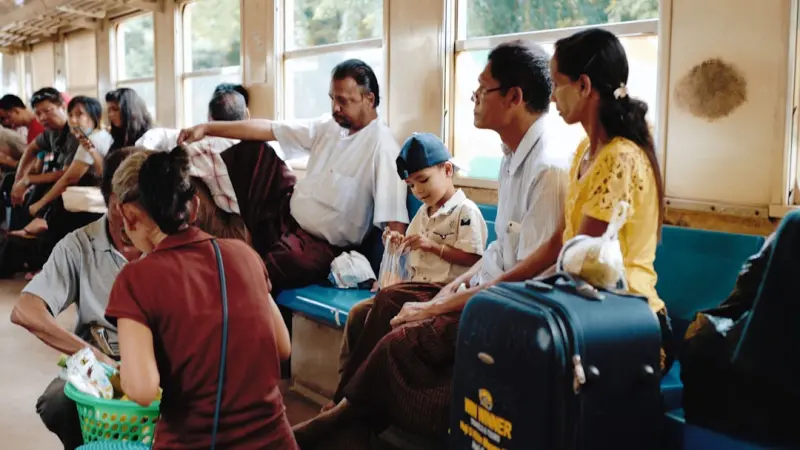
How Language Immersion Turns Travel Into a Business Superpower
Travel isn’t just sightseeing; it’s an opportunity to learn the local language, which sharpens y... Read More
The Unplugged Traveler: Turning Downtime Into Business Innovation
Discover the power of unplugged travel: by carving out intentional downtime and stepping away from s... Read More
Top Posts

Riding Google’s AI Wave: My Insider Playbook for Human‑Centric Brands
Learn to navigate Google’s AI surge with a human‑first approach, blending authenticity, privacy, and new metrics to keep your brand thriving in search....Read More
Interactive Content: The Engine Driving Modern B2B Engagement
Interactive content—like quizzes, ROI calculators, and AR demos—offers a privacy‑first way to capture intent, deepen engagement, and accelerate conversion...Read More
Micro‑Moments: Why Short, Intentional Pauses Are the New Health Super‑Power for Knowledge Workers
Micro‑moments—brief, intentional pauses woven into the workday—reset the brain, lower stress, and elevate performance. Learn the science, tools, and realâ...Read More

DIY Fragrance Zones: Turn Any Room into a Sanctuary
Discover step‑by‑step DIY fragrance zones that transform each room’s atmosphere with natural scents, seasonal blends, and easy maintenance, creating a per...Read More
0 Comments
Post Comment
You will need to Login or Register to comment on this post!