
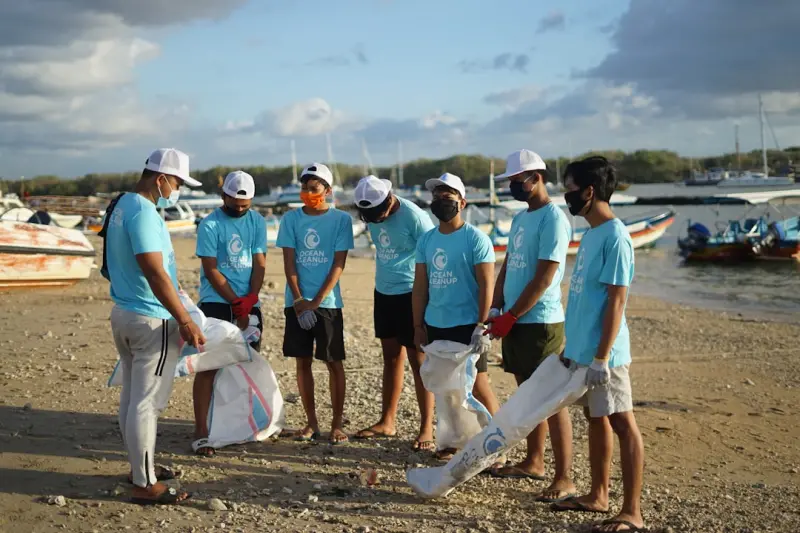
Why Ordinary Sightseeing No Longer Satisfies the Modern Explorer
For many of us, the traditional checklist of landmarks, museums, and Instagram‑ready vistas has begun to feel more like a race than a revelation, leaving a lingering sense of superficiality after the suitcase is unpacked; we crave encounters that linger in the mind long after the plane lands, moments that intertwine our personal growth with the pulse of the places we visit. Skill‑sharing volunteering offers a pathway out of that hollow loop, inviting travelers to trade expertise for experience, and in doing so, to rewrite the script of what travel can mean. By stepping into the role of a temporary mentor, you unlock doors to authentic community life, gaining insights that no guidebook can capture, while simultaneously planting seeds of lasting benefit in the neighborhoods you touch.
The Dual Gift of Giving and Gaining Through Skill‑Sharing
When you arrive with a concrete ability—whether it’s coding, carpentry, culinary technique, or language instruction—you become a catalyst for tangible change, allowing residents to expand their own horizons and, in turn, granting you a backstage pass to cultural nuances that tourists rarely witness; the exchange transforms a fleeting stay into a collaborative project, where success is measured not by the number of selfies taken but by the skill acquired and the relationships forged. This reciprocity nurtures a sense of belonging, as you find yourself invited to family meals, local festivals, and spontaneous conversations that reveal the true rhythm of daily life, turning strangers into mentors, friends, and co‑creators of shared memories.
Mapping Your Mission: Research, Platforms, and Alignment
Embarking on a skill‑sharing journey begins with diligent research, a process that involves scanning reputable platforms, reaching out to community NGOs, and cross‑checking the authenticity of proposed projects to ensure they respect local autonomy and avoid the pitfalls of performative aid; you must ask critical questions about the host organization’s long‑term vision, the community’s expressed needs, and how your particular skill set can be integrated without displacing existing expertise. Once a match is identified, crafting a clear, mutually‑beneficial outline—detailing time commitments, learning objectives, and evaluation metrics—sets the stage for a transparent partnership, while also safeguarding your own expectations and allowing for flexibility should cultural nuances demand a shift in approach.
A Real‑World Tale: Teaching Digital Marketing to Mountain Artisans
Last spring, I spent three weeks in a remote highland village where generations of weavers produced intricate textiles that rarely reached markets beyond the nearest town; armed with a background in digital marketing, I collaborated with a local cooperative to develop a simple e‑commerce platform, guiding artisans through the basics of online storefronts, social media storytelling, and customer outreach. The experience was a vivid illustration of how a modest skill set can amplify economic opportunities, as the weavers began receiving orders from overseas buyers, and the community celebrated each new sale as a collective triumph, reinforcing the profound impact that targeted knowledge transfer can have on livelihood sustainability.
Deepening Cultural Immersion Through Daily Routines
Living alongside the people you’re assisting reshapes your perception of time, as you adopt their sunrise rituals, shared meals, and community gatherings, each moment acting as a living classroom where language, humor, and tradition intertwine; these everyday interactions provide a richer context for the skills you’re imparting, revealing local problem‑solving methods that can inspire innovative twists to your own expertise. By participating in chores, celebrations, and even the occasional market haggling, you become a participant rather than an observer, allowing the community’s cadence to inform the pace of your teaching, and ensuring that the knowledge exchange feels organic rather than imposed.
Navigating the Fine Line Between Volunteerism and Exploitation
While the allure of immediate impact can be intoxicating, it’s essential to guard against the subtle temptations of “voluntourism,” where well‑meaning travelers unintentionally perpetuate dependency or undermine local capacities; this requires a commitment to humility, a willingness to listen more than you speak, and an openness to adapt or even step back if the community signals that a different approach would serve them better. Establishing clear, collaborative goals from the outset, and regularly soliciting feedback, creates a feedback loop that honors the agency of local partners, ensuring that your presence amplifies rather than eclipses indigenous strengths and that the experience remains ethically sound.
Sharing Your Journey Responsibly: From Stories to Sustainable Impact
Documenting the adventure can inspire others to follow suit, but it must be done with respect for privacy and cultural sensitivities, focusing on collective achievements rather than personal heroics; consider weaving narratives that highlight community voices, successes, and challenges, and embed calls to action that direct readers toward reputable organizations or platforms where they can contribute their own expertise. For readers hungry for culinary inspiration, our recent piece on the Street‑Food Safari showcases how taste buds can be a gateway to cultural dialogue, while the Hidden Joy of Train Travel reminds us that the journey itself, not just the destination, can be a catalyst for meaningful connections.
Measuring Success: From Immediate Outcomes to Long‑Term Change
True impact stretches beyond the weeks you spend on the ground, demanding a framework for evaluating both short‑term results and enduring benefits, such as tracking skill retention, business growth metrics, or community satisfaction surveys months after your departure; these data points not only validate the effort invested but also guide future volunteers in refining their approaches. Moreover, fostering a legacy of mentorship—encouraging those you taught to become teachers themselves—creates a ripple effect that can transform a single project into a self‑sustaining ecosystem of knowledge exchange, amplifying the original contribution manyfold.
Take the First Step: Craft Your Own Skill‑Sharing Adventure
If the idea of turning your next trip into a collaborative learning experience resonates, start by listing the abilities you’re most comfortable sharing and researching communities that have expressed a desire for those talents, remembering that even seemingly modest skills can spark profound change when paired with genuine curiosity and respect; the world is brimming with eager learners waiting for a chance to grow alongside a traveler who’s willing to give as much as they receive. Embark on this path, and you’ll discover that travel, when infused with purpose, becomes a two‑way street where every mile traveled leaves both sides richer, more connected, and forever transformed.

David Moore is a freelance writer specializing in two dynamic and ever-evolving fields: gambling and the tech industry. With a keen eye for detail and a knack for unraveling complex topics, David delivers insightful and engaging content that keeps readers informed and entertained.
Related Posts

Strategic Serendipity: Harnessing Unplanned Detours for Creative Travel
Learn to design “serendipity buffers” on trips, turning unexpected encounters into creative brea... Read More

Sensory Journaling: Turning Everyday Wanderings into a Living Archive
Explore the art of sensory journaling to turn each journey into a rich, multi‑dimensional archive.... Read More

The AI‑Powered Path to Authentic Travel Experiences
Travel is evolving from static itineraries to dynamic, AI‑guided journeys that blend data storytel... Read More
Top Posts

Conversational Commerce: How Chat Apps Are Redefining the Sales Funnel
Explore the rise of conversational commerce, where chat apps become sales engines, blending AI bots, human agents, and data-driven personalization to reshape th...Read More
Composable Architecture: The New Blueprint for Agile SaaS Development
Composable architecture breaks monolithic SaaS into modular, API‑first components, enabling faster feature delivery, independent scaling, and a future‑ready...Read More

Why Ambient Light Is the Secret Weapon for Remote Worker Health
A deep dive into how dynamic ambient lighting and color temperature can align remote workers' circadian rhythms, improve focus, and reduce fatigue, with actiona...Read More

Elevate Everyday Living: Fresh Home Hacks for a Calmer, More Inspired Space
Explore low‑cost, high‑impact home upgrades that transform light, sound, and space into a personal sanctuary, boosting well‑being and sustainability....Read More
0 Comments
Post Comment
You will need to Login or Register to comment on this post!