
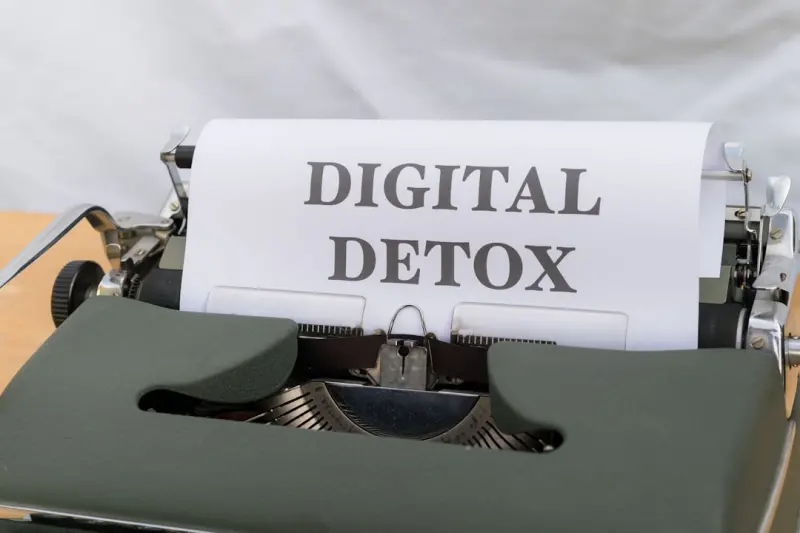
Why the Modern Workspace Needs a Digital Detox
Every day, professionals in high‑stakes roles stare at glowing screens for eight, ten, sometimes twelve hours straight. The constant ping of notifications, the pressure to be “always on,” and the subtle creep of multitasking have turned our devices into extensions of our nervous systems. While technology has unlocked unprecedented productivity, it also silently erodes our physical health, mental clarity, and long‑term resilience. In this post, I’ll walk you through the hidden costs of digital overload and lay out a step‑by‑step detox framework that restores balance without sacrificing the competitive edge you’ve worked so hard to build.
The Science Behind Screen Fatigue
When we lock eyes on a screen, our eyes are forced to focus at a fixed distance, causing the ciliary muscles to stay contracted. Over time, this leads to digital eye strain, characterized by dryness, blurred vision, and headaches. A study from the Vision Council found that up to 80% of office workers report some level of eye discomfort by the end of the day.
But the impact extends far beyond the eyes. Blue light emitted by LEDs interferes with melatonin production, delaying the natural sleep–wake cycle. Even if you claim to “sleep well,” you’re likely experiencing lighter, more fragmented sleep, which reduces deep‑slow wave phases critical for memory consolidation and hormone regulation.
On the neurological front, relentless information bombardment triggers a chronic “fight‑or‑flight” state. The brain’s amygdala stays on high alert, cortisol levels remain elevated, and the prefrontal cortex—responsible for decision‑making and focus—gets starved of the rest it needs. The result? Decision fatigue, reduced creativity, and a higher propensity for burnout.
When Productivity Becomes Counterproductive
Many high‑performers wear their long hours as a badge of honor, believing that more screen time equals more output. Yet data from the Harvard Business Review shows that after 90 minutes of uninterrupted work, performance drops by up to 30%, and error rates double. The paradox is simple: the more we push, the less we actually achieve.
Consider the “attention residue” phenomenon: when you switch from one task to another, fragments of the previous task linger in your mind, contaminating your focus on the new activity. Over time, this residue builds up, creating a mental fog that feels like “brain fatigue” but is really a cumulative loss of cognitive bandwidth.
Designing a Personal Digital Detox Blueprint
A digital detox isn’t about abandoning technology; it’s about sculpting a healthier relationship with it. Below is a practical, evidence‑based framework you can start implementing today.
1. Audit Your Digital Landscape
- Map your screen time. Use built‑in analytics on your phone and computer to identify the apps that dominate your day.
- Classify by purpose. Separate tools that are “essential” (project management, client communication) from “habitual” (social feeds, news scrolls).
- Set baseline limits. For non‑essential apps, impose a daily cap—15‑30 minutes is a good starting point.
2. Create Physical Boundaries
Designate specific zones in your home or office as “screen‑free.” For example, your dining table should never host a laptop; it becomes a sanctuary for mindful eating and conversation. This simple spatial cue trains your brain to associate certain areas with rest, not work.
3. Leverage Auditory Environments for Calm Focus
Sound can be a powerful ally in reducing digital anxiety. Instead of defaulting to white noise or a constant music playlist, try integrating natural soundscapes that gently guide your attention back to the present. The benefits of this approach are explored in Nature Soundscapes: The Quiet Productivity Boost for Remote Professionals, which demonstrates how subtle ambient sounds improve concentration while lowering cortisol spikes.
4. Optimize Your Physical Workspace
A cluttered desk invites a cluttered mind. Simple ergonomic tweaks—adjusting monitor height, using a standing desk, and ensuring proper lighting—can drastically reduce musculoskeletal strain. Additionally, applying a few of the clever ideas from Transform Your Space: 10 Unexpected Home Hacks for Everyday Comfort—like adding a plant for air purification and a small diffuser for calming scents—creates a micro‑environment that supports both physical and mental health.
5. Institute Micro‑Break Rituals
Every 60‑90 minutes, step away from the screen for a 5‑minute break. Use this time to:
- Practice the 20‑20‑20 rule: look 20 feet away for 20 seconds every 20 minutes.
- Do a quick stretch sequence targeting the neck, shoulders, and lower back.
- Take a few deep breaths, inhaling through the nose and exhaling through the mouth to reset the autonomic nervous system.
Research from the University of Illinois indicates that such micro‑breaks can improve sustained attention by up to 23%.
6. Adopt Intentional Communication Practices
Turn off non‑essential notifications. Consolidate email checking into two or three dedicated windows per day. When you do need to respond, use the “single‑task” approach: close other tabs, set a timer for 15‑20 minutes, and focus solely on composing thoughtful replies.
7. Schedule Regular “Digital Sabbaticals”
Once a month, commit to a full day without non‑essential digital devices. Use this time for physical activity, reading, or face‑to‑face interactions. The psychological reset you gain will often translate into a noticeable spike in next‑day productivity.
Measuring the Impact of Your Detox
Quantifying health improvements can keep you motivated. Track these metrics over a 30‑day period:
- Sleep quality. Note bedtime, wake time, and any nighttime awakenings.
- Energy levels. Use a simple 1‑5 scale at the start and end of each workday.
- Focus duration. Record how many uninterrupted blocks of work you achieve (aim for 90‑minute intervals).
- Physical discomfort. Log any neck, back, or eye strain incidents.
When you see the data shift—more deep sleep, higher energy scores, fewer aches—you’ll have concrete proof that the detox is delivering ROI on your health.
Tools and Apps to Support Your Journey
While the goal is to reduce reliance on technology, certain tools can help you stay accountable:
- Screen‑time trackers. Built‑in iOS/Android dashboards or third‑party apps like RescueTime.
- Focus timers. Pomodoro apps such as Focus Keeper that enforce work‑break cycles.
- Ambient sound generators. Apps like Noisli or Brain.fm that provide curated nature soundscapes.
- Mindfulness reminders. Simple habit‑building apps like Habitica to nudge you toward micro‑breaks.
Integrating Detox into a High‑Performance Culture
One common objection is that “the team can’t afford to be offline.” The reality is the opposite: a healthier team delivers better outcomes. Here’s how leaders can embed digital wellness into the corporate DNA:
- Model the behavior. When executives visibly take screen‑free lunches or set communication windows, the rest of the organization follows.
- Define “core hours.” Limit meetings to a shared time block, reducing the need for after‑hours email replies.
- Reward focus. Recognize employees who complete deep‑work projects without multitasking.
- Provide resources. Offer standing desks, ergonomic assessments, and access to calming soundscapes in shared spaces.
Conclusion: Reclaiming Your Health Without Sacrificing Excellence
The digital world will continue to evolve, but your health remains a non‑negotiable foundation for sustained success. By auditing your screen habits, crafting intentional boundaries, and leveraging natural auditory cues—like those highlighted in the Nature Soundscapes piece—you can transform digital overwhelm into a strategic advantage. Start small, stay consistent, and watch as clarity, energy, and performance rise in tandem.
Remember: a true high‑performer doesn’t just work harder; they work smarter, and that includes protecting the body and mind that power every great idea.

David Moore is a freelance writer specializing in two dynamic and ever-evolving fields: gambling and the tech industry. With a keen eye for detail and a knack for unraveling complex topics, David delivers insightful and engaging content that keeps readers informed and entertained.
Related Posts

Screen Fatigue Survival: Nutrition, Movement, and Mindset for SaaS Professionals
Learn how to protect your eyes, brain, and body from relentless screen time with practical nutrition... Read More
Screen Fatigue: Why Our Devices Are Draining Our Health—and What to Do About It
Screen fatigue silently erodes mental clarity, sleep quality, and physical health. This guide outlin... Read More

Micro‑Movement Snacks: Tiny Actions, Big Gains for Modern Professionals
A deep dive into “movement snacks”—brief, intentional micro‑exercises that counteract sedent... Read More
Top Posts

Travel Reinvented: Pop‑Up Eco‑Adventures Shaping the Future
A deep dive into the emerging trend of pop‑up eco‑adventures, showing how temporary, sustainable travel experiences are reshaping the way we explore the wor...Read More
Edge-First SaaS: Redefining Performance Beyond the Cloud
Edge computing is reshaping SaaS delivery by bringing processing power closer to users, slashing latency, enhancing compliance, and unlocking new revenue opport...Read More
Ambient Computing: The Quiet Engine Powering the Next Generation of SaaS
Ambient computing adds a layer of invisible intelligence to SaaS, delivering context‑aware insights exactly when needed. Learn how to design, implement, and m...Read More

Embracing Forest Bathing: A Modern Path to Natural Healing
Explore the science behind forest bathing, learn simple ways to bring nature into your home, and see how brief green breaks can transform stress into serenity....Read More
0 Comments
Post Comment
You will need to Login or Register to comment on this post!