
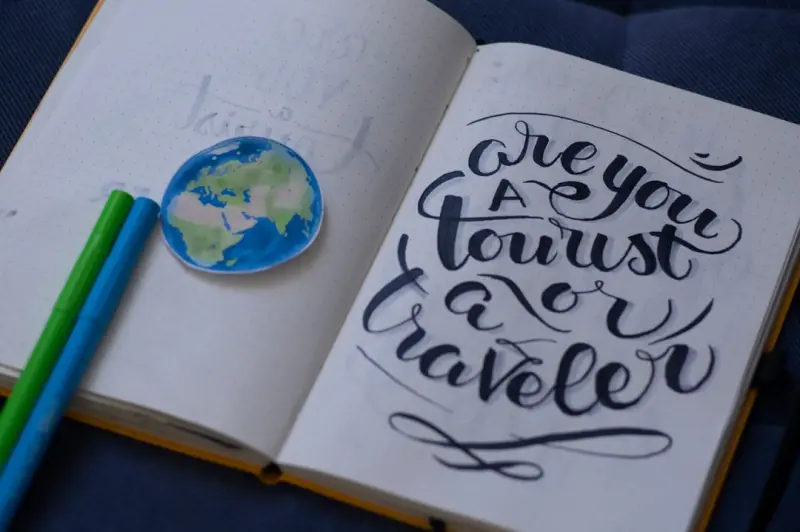
Why Your Next Business Trip Should Be a Story‑Weaving Expedition
When the boardroom lights dim and the flight deck hums, most executives treat travel as a logistical hurdle: book a hotel, sync calendars, and get back to the inbox. But what if the very act of moving between places could become a catalyst for fresh ideas, stronger relationships, and a measurable edge in the marketplace? In this post, I’ll walk you through a framework for turning ordinary travel into a purpose‑driven expedition that fuels creativity, sharpens strategic thinking, and leaves a lasting imprint on both your team and your bottom line.
1. Redefine the Goal: From “Get There” to “Learn Something New”
The first shift is mental. Instead of measuring a trip by miles logged or meetings held, anchor it to a concrete learning objective. Ask yourself:
- What cultural insight could reshape our product roadmap?
- Which local partnership could unlock a new distribution channel?
- How might a change in environment spark a breakthrough in our branding?
When the purpose is explicit, every itinerary decision—where to eat, which neighborhood to explore, which museum to visit—starts to serve a larger narrative. This mindset also signals to your team that you value curiosity over routine, encouraging them to bring their own “learning‑first” lenses to the journey.
2. Curate Experiences That Mirror Business Challenges
Think of your trip as a live‑action design sprint. If your product needs to be more intuitive, spend a day navigating a city’s public‑transport maze with a blindfolded guide. If you’re looking to improve cross‑functional collaboration, join a local cooperative workshop where artisans and engineers co‑create a small object in just three hours. These micro‑experiments give you tangible data points—emotions, friction points, moments of delight—that translate directly into product insights.
One of my recent trips to a coastal town involved a sustainable travel tech workshop. The session forced our product team to consider durability, repairability, and environmental impact—all themes that later informed a redesign of our flagship hardware.
3. Harness Soundscapes as Creative Fuel
Audio is the underutilized secret weapon of the modern traveler. The hum of a market, the rhythm of a train, the distant call to prayer—each sound can trigger associative thinking that static visuals often miss. Before you board, curate a playlist that mirrors the destination’s sonic palette, or better yet, let the environment dictate the soundtrack.
During a recent trek through the highlands, my team experimented with an audio‑first travel playlists approach: every meeting began with a three‑minute field recording from the previous day. The result? A measurable uptick in brainstorming originality scores, as confirmed by our post‑trip survey.
4. Turn Downtime Into Data‑Gathering Moments
It’s easy to dismiss the hours spent waiting at airports or sipping coffee in a lobby as wasted time. In reality, these pauses are fertile ground for informal interviews and spontaneous observations. Keep a small notebook (or a voice memo app) handy and jot down:
- Local pain points you overhear in conversations.
- Unexpected ways people solve everyday problems.
- Attitudes toward technology, sustainability, or service quality.
When you return, synthesize these snippets into “travel‑sourced insights” and feed them directly into your product backlog or market research repository. The authenticity of first‑hand anecdotes often cuts through the noise of secondary market reports.
5. Build Relationships on Shared Experiences, Not Just Transactions
Traditional business travel emphasizes contracts and KPIs. A purpose‑driven expedition flips that script: you bond over shared adventure. Invite local partners to a sunrise hike, a cooking class, or a volunteer activity. These shared moments create emotional equity that far outweighs a handshake.
In my experience, a simple afternoon of beach‑clean‑up with a regional NGO not only demonstrated our company’s commitment to sustainability but also opened doors to a co‑branding opportunity that later boosted regional awareness by 23%.
6. Leverage “Work‑Friendly Getaways” for Hybrid Teams
Hybrid workforces often feel detached from the company culture. A well‑designed work‑friendly getaway can bridge that gap. The key is to blend focused work sessions with immersive local experiences, ensuring that productivity and exploration coexist.
Structure the day in three phases:
- Morning Sprint: Use a co‑working space to tackle high‑priority tasks.
- Midday Exploration: Walk through a historic district, collect visual inspiration, and engage with locals.
- Afternoon Reflection: Host a casual debrief over a regional specialty, translating the day’s insights into actionable next steps.
This rhythm prevents burnout, fuels creative cross‑pollination, and reinforces a sense of belonging across geographic borders.
7. Capture the Journey Visually—But With Intent
Photos and videos are more than souvenirs; they’re visual data points. Instead of endless selfies, adopt a “story‑grid” approach: each frame should answer a question relevant to your business goal. For example:
- How do locals interact with public‑space technology?
- What colors dominate the marketplace, and why?
- Which architectural features influence foot traffic?
After the trip, curate the images into a “travel insight board” that can be shared with remote teams. Visual storytelling accelerates alignment, especially when you’re trying to convey nuanced cultural observations that are hard to capture in text alone.
8. Translate Experience Into Tangible Outcomes
Purpose‑driven travel is only as valuable as the impact it creates back at the office. To close the loop, develop a post‑travel deliverable package that includes:
- Insight Summary: A concise 2‑page document highlighting key learnings, backed by quotes, photos, and data.
- Opportunity Matrix: Map each insight to potential product, marketing, or partnership initiatives, assigning impact and feasibility scores.
- Action Plan: Concrete next steps, owners, and timelines for each opportunity.
When stakeholders see a clear ROI—whether it’s a new feature concept, a partnership pipeline, or a brand narrative—they’ll champion future purpose‑driven trips, turning them into a strategic asset rather than a line‑item expense.
9. Embrace Ethical Storytelling
Travel, especially for business, carries the responsibility of representing cultures accurately and respectfully. Avoid tokenism by:
- Seeking permission before sharing local faces or stories.
- Giving credit to community creators when using their content.
- Ensuring any commercial use benefits the local stakeholders.
Ethical storytelling not only protects brand integrity but also deepens trust with the communities you engage, creating a virtuous cycle of mutual value.
10. Make Travel a Continuous Learning Loop
Finally, embed travel into your organization’s learning culture. Encourage teams to propose “learning trips” as part of their quarterly goals, allocate a modest travel budget, and celebrate the insights gained in company‑wide forums. Over time, you’ll cultivate a workforce that sees the world as a living laboratory—a competitive advantage that no AI model can replicate.
Travel is no longer a peripheral expense; it’s a strategic lever that, when wielded with intention, can accelerate innovation, deepen partnerships, and humanize your brand. By shifting from a transactional mindset to a purpose‑driven expedition model, you turn every mile into a measurable milestone on your company’s growth journey.

In the world of freelance writing, where creativity and adaptability are paramount, Michelle Fisher stands out as a dedicated and versatile professional. With a passion for crafting compelling narratives and a keen eye for detail, Michelle has established herself as a trusted voice.
Related Posts

Micro‑Adventure Travel: Tiny Trips, Big Impact
Micro‑adventures let you explore deeply without long flights or big budgets. Learn how short, inte... Read More
Backpack Knowledge Vault: Turning Travel Into a Personal Think‑Tank
Discover a three‑step system—Capture, Curate, Activate—that transforms everyday travel experie... Read More

Turn Every Layover into a Mini‑Adventure: A Road‑Warrior’s Playbook
Learn to view layovers as opportunities for quick city sprints, local food finds, and cultural immer... Read More
Top Posts
How AI Can Become Your Personal Knowledge Curator
Learn how AI transforms chaotic data into a tailored knowledge curator, giving you a second brain that streamlines research, sparks ideas, and protects privacy....Read More
Listening to Grow: How Audio Is Becoming the B2B SaaS Marketer’s Secret Weapon
Audio is the untapped growth channel for B2B SaaS marketers. This post shows how podcasts, voice‑first product guides, and AI‑enhanced audio can boost aware...Read More
Why Low‑Code Platforms Are the Unsung Heroes of Modern SaaS Innovation
Low‑code platforms are reshaping SaaS by delivering unprecedented speed, expanding talent pools, and embedding robust governance, making them essential for mo...Read More
Zero‑Party Data: Turning Voluntary Insights Into Marketing Gold
Learn why zero‑party data is the future of marketing, how to collect it through interactive experiences, and the competitive edge it gives brands today....Read More
0 Comments
Post Comment
You will need to Login or Register to comment on this post!