

Why Zero‑Click Search Is No Longer a Mirage
When I first saw a Google SERP that answered a query without a single click, I thought it was a glitch. Fast forward a few months, and those instant answers are the new normal. For SaaS companies, this shift isn’t just a curiosity—it’s a survival imperative. If your brand isn’t showing up in those rich snippets, knowledge panels, or answer boxes, you’re essentially invisible to a massive slice of your audience.
The Anatomy of a Zero‑Click Result
Zero‑click results come in several flavors:
- Featured Snippets: The concise answer box that sits at the top of the page.
- People Also Ask (PAA): Collapsible questions that surface related queries.
- Rich Knowledge Panels: Brand or product snapshots that pull data from structured sources.
- Local Packs & Maps: Though more common for brick‑and‑mortar, SaaS firms with a physical presence can benefit here too.
Each of these formats is essentially a search result without a click. The user gets the answer right there, and the traditional page view never happens. That’s why we need to redesign our SEO playbook from “drive traffic” to “own the answer.”
Step 1: Embrace Semantic Clusters, Not Isolated Keywords
Google’s algorithm has evolved from keyword matching to understanding topic intent. The old practice of targeting a single keyword per page is dead. Instead, build topic clusters that map out a semantic universe around your core SaaS offering.
Start with a pillar page that covers the broad concept—say, “Enterprise Cloud Collaboration.” From there, create supporting articles that answer specific sub‑questions: “How to ensure data compliance in multi‑tenant environments,” “Benefits of edge‑first architecture for low‑latency collaboration,” or “Composable architecture patterns for modular SaaS.” These sub‑articles should interlink back to the pillar, reinforcing the semantic signal.
When Google crawls this web of related content, it recognizes your site as the authority on the entire topic, increasing the odds that a featured snippet or PAA box will pull from your pages.
Step 2: Leverage Structured Data Like a Pro
Structured data is the language you speak to Google’s knowledge graph. Use schema.org markup to annotate:
- Product information (price, SKU, availability)
- FAQ sections (ideal for PAA)
- How‑to steps (perfect for featured snippets)
- Reviews and ratings (boosts trust signals)
Implementing FAQPage schema on a support article, for example, can surface those exact Q&A blocks directly in the SERP. Remember to keep the JSON‑LD tidy and test it with Google’s Rich Results Test before you publish.
Step 3: Speed Isn’t Optional Anymore
Page load time is a ranking factor, but it’s also a prerequisite for any zero‑click success. If Google can’t render your page quickly, it won’t trust your content enough to serve it as an instant answer.
Take a cue from our Edge‑First Architecture approach. By moving static assets closer to the user—via CDNs, edge workers, and server‑less functions—you shave milliseconds off the critical rendering path. Pair this with image optimization, lazy loading, and HTTP/2, and you’ll see measurable improvements in Core Web Vitals.
Even better, a fast site sends a clear signal to Google’s algorithm: “We care about user experience.” That’s exactly the kind of intent the search engine rewards with prime real‑estate on the SERP.
Step 4: Optimize for “Answerability”
Not every piece of content is snippet‑friendly. Google prefers concise, factual answers. To make your content answerable:
- Ask the Question First: Start each section with the exact query you’re targeting. For example, “What is composable architecture?”
- Provide a Direct Answer: Give a clear, 40‑50 word answer before diving into details.
- Use Lists and Tables: Structured formats are easier for Google to extract.
- Include a Summary Paragraph: Wrap up with a sentence that restates the answer in plain language.
This pattern mirrors the structure Google’s snippet algorithm looks for, increasing the likelihood that your content will be lifted directly into the SERP.
Step 5: Harness the Power of Internal Linking
Internal links are the veins that carry authority throughout your site. When you publish a new “how‑to” article on “Setting up a composable micro‑frontend,” link it back to your pillar page on “Modern SaaS Architecture.” Conversely, embed links from the pillar to the new article using descriptive anchor text.
Our own Composable Architecture guide is a perfect example. It not only serves as a deep dive for engineers but also reinforces the topical relevance for the broader architecture pillar, feeding the semantic signal Google craves.
Step 6: Monitor, Iterate, and Scale
Zero‑click SEO isn’t a set‑and‑forget tactic. Use tools like Google Search Console’s “Performance” report to identify which queries trigger rich results. Track metrics such as “Impressions” and “Average Position” for featured snippets and PAAs. If a query shows high impressions but low CTR, it may indicate that Google is already answering the question elsewhere, and you need to refine your content.
When you spot an opportunity, double down:
- Refresh the content with updated data.
- Improve the markup.
- Boost the page speed.
- Expand the supporting cluster.
Iterative optimization is the only way to stay ahead in a landscape where Google’s answer algorithms are constantly evolving.
Case Study: Turning a Low‑Traffic Blog Post into a Featured Snippet Magnet
One of our SaaS clients was struggling with a knowledge‑base article about “API rate limiting best practices.” It was ranking on the second page, pulling in minimal traffic. We applied the zero‑click framework:
- Rewrote the intro to start with the exact question: “What are the best practices for API rate limiting?”
- Added a
FAQPageschema block with the question and a concise 45‑word answer. - Created a bullet‑point list of the top three practices, each with a brief explanation.
- Improved page speed by moving static assets to a CDN, shaving 0.6 seconds off load time.
- Interlinked the article with the broader “API Management” pillar page.
Within three weeks, Google featured the snippet at the top of the SERP for the query. The article’s impressions skyrocketed by 420%, while the click‑through rate (CTR) dropped—exactly what you expect when users get their answer instantly. The client measured a 15% increase in free‑trial sign‑ups directly attributable to brand exposure in the snippet.
Future‑Proofing Your SEO: Preparing for AI‑Generated SERPs
Google’s next frontier is AI‑driven answer generation, where the engine synthesizes content from multiple sources into a single response. To stay ahead, focus on:
- Original Research: Publish data‑driven studies, surveys, or benchmark reports that can’t be replicated elsewhere.
- Authoritativeness: Highlight credentials, case studies, and real‑world outcomes.
- Transparency: Use clear citations and source attribution to build trust.
When Google’s AI models pull from your site, they’ll favor content that’s both factual and trustworthy, further cementing your position in the zero‑click ecosystem.
Wrap‑Up: From Clicks to Credibility
Zero‑click search isn’t a threat; it’s an opportunity to showcase expertise at the exact moment a prospect is looking for it. By building semantic clusters, implementing robust structured data, optimizing for speed, and treating each piece of content as a potential instant answer, SaaS brands can dominate the SERP landscape even when users never click.
Remember, the goal isn’t to chase clicks—it’s to become the go‑to source that Google trusts enough to answer on your behalf. When you achieve that, the clicks that do happen become high‑intent, high‑value engagements that are far more likely to convert.

Robert Mathews is a professional content marketer and freelancer for many SEO agencies. In his spare time he likes to play video games, get outdoors and enjoy time with his family and friends .
Related Posts

Unlocking the Power of Augmented Reality for SEO Success
Explore the emerging world of AR SEO and learn practical steps to integrate immersive experiences, s... Read More

Beyond Keywords: Harnessing Structured Data to Own Voice Search
Learn why voice search demands more than keywords and how to use structured data to dominate convers... Read More
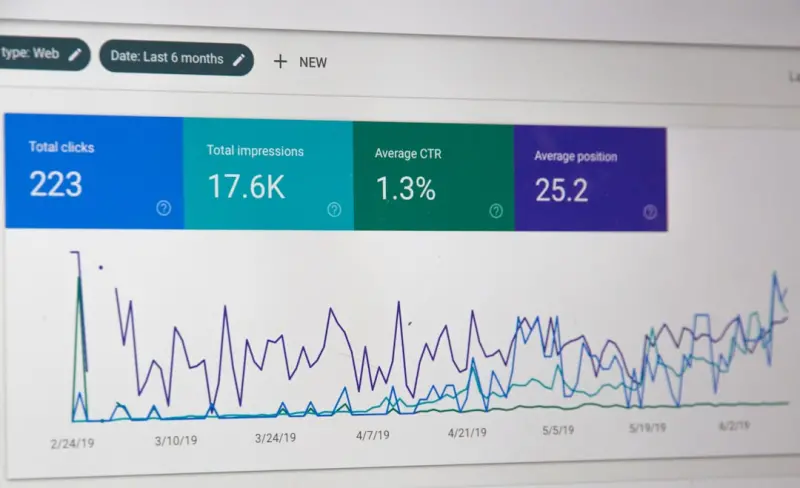
From Docs to Discovery: Unleashing SEO Power in SaaS Knowledge Bases
Discover a step‑by‑step framework for turning SaaS documentation into organic traffic, leveragin... Read More
Top Posts

Riding the 2026 Google AI Wave: Insider Strategies for Marketers
A deep dive into Google’s 2026 AI evolution, offering insider tactics, measurement tips, and ethical best practices to future‑proof your marketing strategy....Read More

Synthetic Data: The Underrated Engine Powering Next‑Gen SaaS AI
Synthetic data lets SaaS firms train robust AI models without compromising privacy or waiting for rare events. Learn the techniques, integration steps, and futu...Read More

Why a Daily Digital Fast Is the Brain’s Missing Super‑Fuel
A daily hour without screens can reset your brain’s reward system, lower stress hormones, improve sleep, and spark creativity—turning a simple digital fast ...Read More
Travel as a Personal Innovation Lab: Crafting Insight While On the Move
Discover how to treat travel as a personal innovation lab, leveraging sensory immersion, journaling, and on‑the‑go creative tools to turn ordinary journeys ...Read More
0 Comments
Post Comment
You will need to Login or Register to comment on this post!