

Why Your Home Should Be More Than Just a Place to Crash
When I first moved into my downtown loft, I treated it like a temporary storage unit for work‑related stress. The couch became a landing strip for laptop bags, the kitchen table turned into a never‑ending inbox, and my bedroom? Well, let’s just say it was an after‑thought. It wasn’t until I started asking myself what I truly needed from my space that the home transformed from a passive backdrop into an active ally.
The Psychology of Space: A Quick Primer
Science tells us that the environment we inhabit can shape our mood, productivity, and even our health. Light exposure influences circadian rhythms, color palettes affect emotional responses, and the arrangement of furniture can either invite collaboration or foster isolation. By intentionally curating these elements, you can design a home that supports your goals rather than sabotages them.
Step 1: Map Your Zones, Not Your Rooms
Instead of labeling a space as “the living room” or “the office,” think in terms of function zones. Ask yourself: Where do I need to focus? Where do I need to unwind? Where do I create? Once you identify these zones, you can allocate furniture, lighting, and décor accordingly, even if the physical walls stay the same.
- Focus Zone: A dedicated desk with minimal visual clutter, a high‑contrast lamp, and a single plant for a touch of nature.
- Relaxation Zone: A plush armchair, soft textiles, and a low‑frequency sound machine or playlist.
- Creative Zone: An open area with a large table, whiteboard, and movable storage for supplies.
This mental re‑mapping helps you treat each corner as a purposeful tool, turning a single room into a multi‑functional powerhouse.
Step 2: Harness the Power of Light, Naturally and Artificially
Natural daylight is free, abundant, and a proven mood enhancer. Position your primary work surface near a window to soak up morning sun. In the evenings, swap harsh white LEDs for warm amber bulbs that mimic sunset, signaling to your brain that it’s time to wind down.
For those with limited windows, consider a smart lighting system that mimics the sunrise‑sunset cycle. This subtle cue can improve sleep quality, boost alertness during work hours, and reduce reliance on caffeine.
Step 3: Declutter With Intent, Not Just Aesthetics
Clutter isn’t just an eyesore; it’s a cognitive load. Each stray item competes for attention, draining mental bandwidth. Instead of the popular “minimalist” mantra, adopt a “purpose‑driven” decluttering method:
- Survey: Walk through each zone and list the items that actively support its purpose.
- Sort: Separate everything else into “store,” “donate,” or “re‑evaluate” piles.
- Contain: Use clear bins or labeled baskets to keep necessary items within arm’s reach, reducing visual noise.
When you’re done, you’ll notice a lighter mental state, as the brain no longer has to filter out irrelevant stimuli.
Step 4: Introduce Micro‑Sensory Triggers
Our senses are powerful habit‑forming tools. A few carefully chosen sensory cues can signal to your brain that it’s time to shift gears.
- Smell: Diffuse citrus or pine during work sessions to boost alertness; opt for lavender or vanilla in the evening to encourage relaxation.
- Sound: Low‑frequency ambient playlists can improve concentration, while gentle nature sounds aid sleep.
- Touch: Keep a soft throw nearby for quick comfort breaks, and choose a textured rug that grounds you when you stand.
These micro‑sensory triggers act like subconscious cues, gently nudging you toward the behavior you desire without any conscious effort.
Step 5: Leverage Technology—But Keep It Human
Smart home devices can automate many of the adjustments we just discussed, but they should serve you, not overwhelm you. Set up simple automations:
- Morning routine: Lights rise, blinds open, coffee maker starts.
- Work‑mode: Desk lamp turns on, “focus” playlist starts, notification lights dim.
- Evening wind‑down: Lights warm, thermostat lowers, “relax” soundscape fades in.
Remember, the goal is to create a seamless flow, not a digital labyrinth. Keep the number of automations low and the triggers intuitive.
Step 6: Infuse Your Space with Personal Stories
Objects that carry meaning can anchor you emotionally to your home. Whether it’s a travel‑torn map, a framed photo from a milestone, or a handcrafted bowl from a local market, these items remind you of purpose beyond the day‑to‑day grind.
If you’re looking for inspiration on how to incorporate meaningful decor without cluttering, check out this guide on simple home rituals. It offers ideas for turning everyday objects into touchstones of joy.
Step 7: Rotate and Refresh Quarterly
Staying in a static environment can lead to mental stagnation. Every three months, do a mini‑refresh:
- Swap out a decorative pillow for a new texture.
- Introduce a seasonal plant.
- Re‑arrange a piece of furniture to create a fresh visual flow.
This low‑effort routine keeps your space feeling new, encouraging you to stay engaged and inspired.
Step 8: Create a “Reset” Corner
Designate a small nook—perhaps a corner of the living room or a spot by the window—as a reset zone. Equip it with a comfortable seat, a small journal, and a simple visual cue (like a candle or a small sculpture). Use this spot for quick 5‑minute breath breaks or to jot down fleeting ideas. Over time, your brain will associate that corner with mental clarity.
Step 9: Balance Public and Private Energy
If you work from home, you likely have visitors, deliveries, or even virtual meetings that blend public and private spheres. To preserve personal energy:
- Use a visual marker—like a small flag or a distinct lamp—to signal “do not disturb” during deep work.
- Set up a separate, minimalist backdrop for video calls that reflects professionalism without exposing your personal space.
- Schedule “door‑open” times for informal chats, ensuring you have uninterrupted focus periods.
Step 10: Celebrate Small Wins
Every adjustment you make, no matter how tiny, contributes to a healthier home ecosystem. Keep a “home wins” board where you log successes—like finally getting the thermostat to stay at a comfortable temperature, or noticing you fall asleep faster after adding a diffuser. Reviewing this board weekly reinforces positive behavior and motivates further improvements.
Putting It All Together
By approaching home design with intention, you transform it from a passive backdrop into an active catalyst for wellbeing and productivity. Start small: pick one zone, declutter, add a sensory cue, and observe the shift. Then iterate, using technology as an ally and personal stories as anchors. Over weeks, you’ll notice a tangible lift in focus, a calmer mind at night, and a deeper sense of belonging in the very walls you inhabit.

Karen Edwards is a seasoned freelance writer with a passion for all things furry, feathered, and scaled. With a dedicated focus on pets, she brings a wealth of knowledge and a keen eye for detail to her writing.
Related Posts
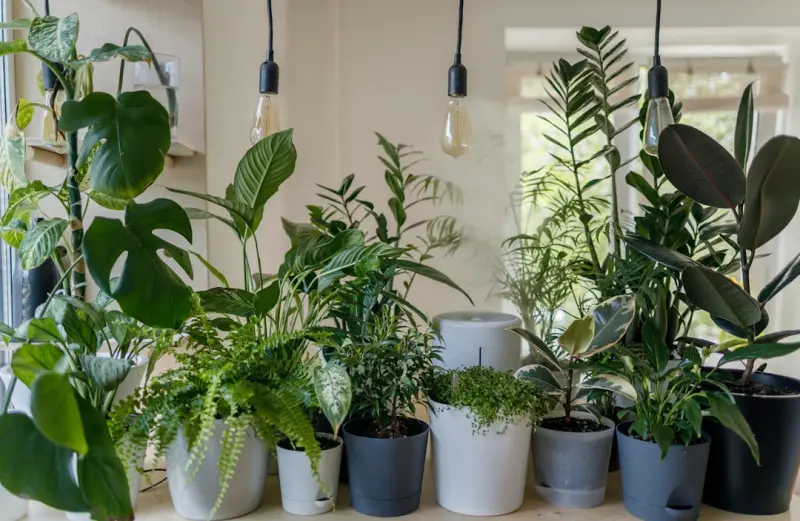
Low‑Maintenance Indoor Plants: A Busy Professional’s Guide to a Healthier Home
A practical guide for busy professionals on selecting, placing, and caring for low‑maintenance ind... Read More

Designing a Home That Fuels Focus and Calm
Discover a step‑by‑step guide to transforming your living space into a calm, focused environment... Read More
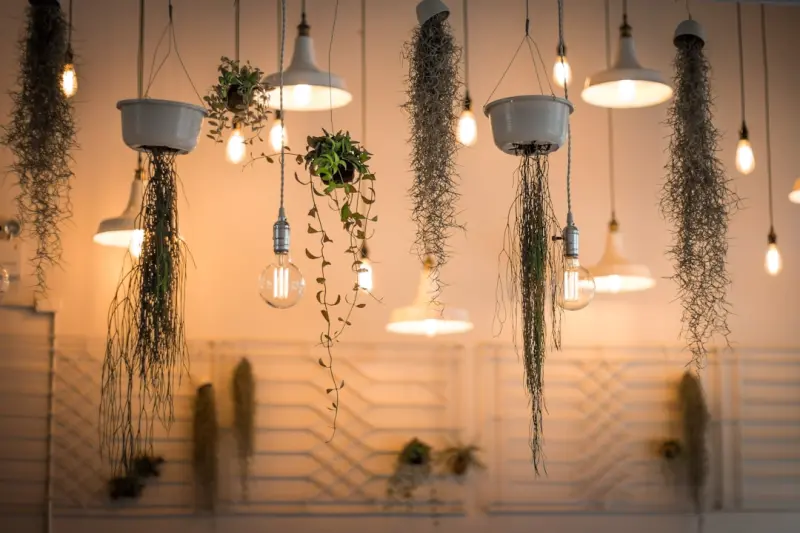
Light Up Your Life: Home Lighting Strategies for Health, Focus, and Mood
A comprehensive guide to using light strategically across your home, from work zones to bedtime, wit... Read More
Top Posts

Interactive Video: The Untapped Engine Driving B2B Digital Marketing
Interactive video turns passive viewers into active participants, delivering higher engagement, qualified leads, and shorter sales cycles for B2B marketers. Thi...Read More

The Rise of Micro‑Influencer Networks in B2B Digital Marketing
Micro‑influencers—niche experts with engaged audiences—are reshaping B2B digital marketing. Learn how to identify, partner, and scale these relationships ...Read More
SEO Strategies for API‑First SaaS Platforms
Discover a fresh SEO playbook tailored for API‑first SaaS, covering intent mapping, micro‑page creation, structured data, internationalization, and AI‑rea...Read More

Privacy‑First Personalization: Turning Trust into Revenue in B2B Marketing
A deep dive into privacy‑first personalization for B2B marketers, outlining practical steps, tech stack essentials, and a real‑world case study that shows h...Read More
0 Comments
Post Comment
You will need to Login or Register to comment on this post!