
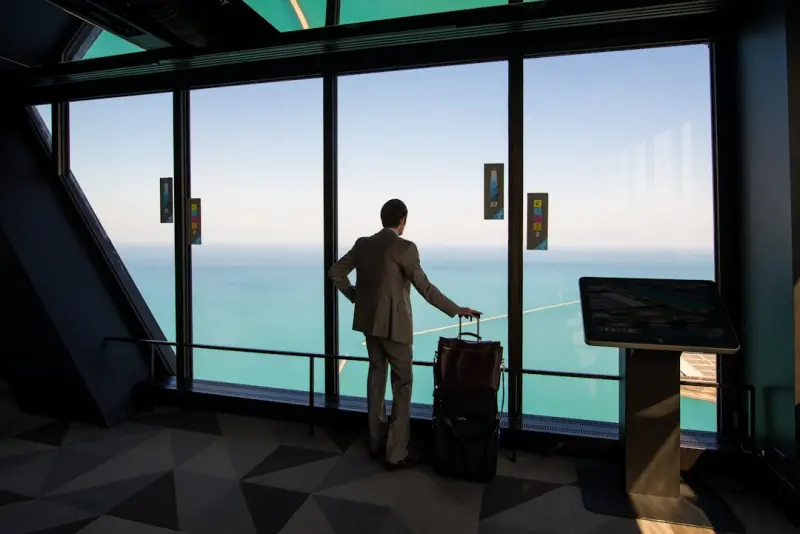
When the inbox‑ping never stops and the next Zoom call feels like a runway, the idea of a full‑blown, week‑long vacation can feel both luxurious and intimidating. What if you could hit the reset button in a single weekend, or even a long‑day Saturday, without the baggage of packing, flight logistics, or a massive budget? Welcome to the era of the micro‑escape – a bite‑sized, purpose‑driven travel experience that promises deep renewal while keeping your calendar (and your sanity) intact.
The micro‑escape defined
Unlike traditional trips that span several days or weeks, a micro‑escape is a deliberately short‑duration journey – usually between a few hours and three days – that focuses on one clear intention: unplug, recharge, and return with a fresh perspective. Think of it as a “travel sprint” rather than a marathon. The structure is simple:
- Intent: Decide what you’re seeking – be it silence, nature, creativity, or a spark of adventure.
- Location: Choose a place that aligns with that intent and is reachable within an hour or two of travel.
- Constraints: Set a time limit, leave your devices (or limit them), and keep the agenda light.
This intentionality strips away the “tourist fatigue” that can accompany longer trips, while still delivering the psychological benefits of stepping out of your daily environment.
Why the impulse is catching on
Several cultural currents are converging to make micro‑escapes feel inevitable:
- Burnout epidemic: The modern workplace, especially in tech‑savvy sectors, has blurred the line between work and personal time. A short, high‑impact retreat can act as a preventive antidote.
- Urbanization fatigue: As more people live in dense cities, the craving for a breath of fresh air, even for a few hours, intensifies.
- Rise of remote work: With flexible schedules, employees can carve out mid‑week travel windows without taking a full day off.
- Climate consciousness: Shorter trips usually have a smaller carbon footprint, making them attractive for eco‑aware travelers.
Combined, these trends create a perfect storm for a travel style that’s both low‑commitment and high‑reward.
Designing your first micro‑escape
Here’s a step‑by‑step playbook to craft a meaningful micro‑escape, whether you’re a solo adventurer, a busy executive, or a family looking for a quick recharge.
1. Choose a singular purpose
The core of a micro‑escape is focus. Rather than “I want to see new places,” ask yourself “What am I missing right now?” Some common intents include:
- Silence and meditation – a remote forest glade or a quiet lakeside.
- Creative spark – a historic art district or a bustling market that ignites the senses.
- Physical challenge – a hill‑top hike, a kayaking route, or a climbing wall.
- Social connection – a nearby town with a thriving food scene where you can meet locals.
2. Map the distance, not the destination
When the travel time exceeds the experience time, the return on investment drops dramatically. Aim for a maximum two‑hour travel radius (by car, train, or ferry). This keeps the total “time‑in‑transit” under 30‑40 % of the total escape.
3. Leverage hyper‑personal micro‑itineraries
Instead of generic travel guides, use tools that let you build a custom itinerary in minutes. The concept of hyper‑personal micro‑itineraries means you can input your intent, preferred activity level, and even your dietary preferences, and the algorithm will serve a concise, printable plan that fits your schedule like a glove.
4. Pack light – or not at all
The goal is to reduce friction. A daypack with a water bottle, a light jacket, and a notebook is often enough. If you’re traveling by train, consider leaving your suitcase at home and using a backpack to keep your hands free.
5. Set digital boundaries
True refresh comes from disconnecting. Turn off non‑essential notifications, leave your laptop at the office, and consider a “phone‑free hour” at a café or park. If you need a lifeline, a single, pre‑programmed emergency contact is all that’s required.
6. Curate a sensory itinerary
Micro‑escapes excel when you focus on the senses. Plan a sunrise hike for visual impact, a local bakery for smell, a river for the sound of flowing water, and a tactile activity like pottery or a nature walk to feel the earth under your feet.
7. Reflect and integrate
Upon return, spend a few minutes journaling what you felt, learned, and how you can integrate that feeling into daily life. This “integration phase” is often where the lasting value is sealed.
Case studies: Micro‑escapes in action
The “Road‑Warrior’s Mini‑Adventure” reimagined
One frequent business traveler found herself constantly stuck in airports between client meetings. Instead of scrolling through emails, she turned each layover into a micro‑adventure. Using the tactics from turn every layover into a mini‑adventure, she would step off the plane, hop on a local bike‑share, and explore a nearby park or historic district for a couple of hours before catching her next flight. The result? Lower stress, a healthier rhythm, and a fresh bank of stories to share at the office.
The “Creative Reset” in a Mountain Town
Emily, a product designer, felt stuck in a creative slump. She booked a Friday‑to‑Saturday trip to a mountain town three hours away. Her purpose: inspiration. She mapped a hyper‑personal itinerary that included a sunrise hike, a visit to a local artisan’s workshop, and a late‑evening stargazing session. By the time she returned on Sunday, she had a sketchbook full of ideas and a renewed confidence in her design instincts.
The “Family Bonding” Weekend in a Riverside Village
Two parents, juggling remote‑work demands, chose a Saturday‑Sunday micro‑escape to a riverside village known for its hand‑crafted boats. The trip was designed with a single intent: quality family time away from screens. They rented a small boat, learned basic knot‑tying, and cooked a simple campfire dinner. The limited timeframe forced them to be present, and the experience created a lasting family memory without the stress of a full‑blown vacation planning.
Tools and resources to streamline your micro‑escape
While the concept is simple, execution can be smoothed with a few modern tools:
- Micro‑itinerary generators: Platforms that let you input intent, distance, and activity preferences, producing a one‑page plan.
- Digital‑detox apps: Apps that lock your phone for a set duration, allowing you to stay offline without the temptation to “just check once”.
- Transport aggregators: Real‑time train or bus apps that highlight the fastest routes within your chosen radius.
- Local experience marketplaces: Websites where locals offer short‑duration experiences (guided walks, cooking classes, art sessions) that fit perfectly into a micro‑escape schedule.
Measuring the impact: Is a micro‑escape worth it?
To evaluate whether your micro‑escape delivered the intended benefits, consider these metrics:
- Stress reduction score: Rate your perceived stress before and after on a scale of 1–10.
- Creativity boost: Note the number of new ideas or solutions you generate within 24 hours of returning.
- Physical activity: Track steps or active minutes to see if you moved more than your average day.
- Social connection: Reflect on any new relationships formed or deepened during the escape.
Even a modest improvement across a few of these areas can justify the time investment, especially when you consider the minimal cost and carbon footprint compared to a traditional vacation.
Potential pitfalls and how to avoid them
Like any new habit, micro‑escapes can stumble if you ignore common traps:
- Over‑planning: Packing a packed schedule defeats the purpose of relaxation. Keep the itinerary flexible.
- Technology creep: If you’re tempted to scroll through social media, set a hard rule: phone‑free zone for the core hours.
- Location fatigue: Repeating the same spot can make the experience stale. Explore a new nearby town each time.
- Neglecting safety: Short trips can still involve remote areas; always share your plans with a trusted contact.
Future outlook: From micro‑escapes to micro‑lifestyles
We are already seeing early adopters turn micro‑escapes into a regular rhythm – a “micro‑lifestyle” where weekly or bi‑weekly short trips become a core component of personal wellbeing. Companies are taking note, offering “micro‑retreat days” as part of employee benefits, recognizing that a brief change of scenery can boost productivity and morale as effectively as a week‑long vacation.
In a world that values speed, efficiency, and constant connectivity, the paradoxical act of deliberately stepping away for a few hours may be the most progressive move a professional can make. By embracing the micro‑escape, you not only protect your mental health but also sharpen your creative edge, strengthen relationships, and contribute to a more sustainable travel culture.
So the next time the calendar looks packed, ask yourself: what if a two‑hour drive, a handful of intentional moments, and a digital‑detox could give you the clarity you’ve been seeking? Your micro‑escape awaits.

Margaret Thomson is a seasoned freelance writer specializing in the dynamic worlds of marketing and advertising. With a career deeply rooted in the marketing field, Margaret brings a wealth of practical experience and insightful knowledge to her writing.
Related Posts
The Remote‑First Retreat: Designing Work‑Friendly Getaways for Modern Professionals
Discover the art of remote‑first retreats—strategically designed trips that combine productive w... Read More

Travel Light, Tech Light: A Digital Minimalist’s Guide to Real‑World Exploration
A seasoned traveler shares a step‑by‑step guide to shedding digital baggage on the road, from cu... Read More
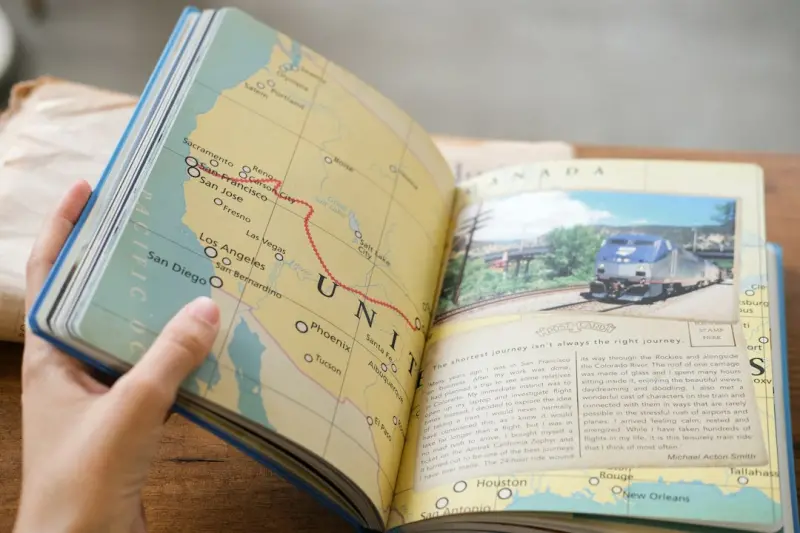
Beyond the Itinerary: How Intentional Travel Fuels Business Creativity
Travel, when approached deliberately, becomes a catalyst for business creativity. Learn how intentio... Read More
Top Posts

Why B2B SaaS Marketers Should Bet on Conversational Commerce
Conversational commerce is reshaping B2B SaaS marketing by turning real‑time chats into revenue engines. Learn why speed, personalization, and data insights m...Read More

How Google’s AI‑Powered Workspace Is Shaping the Future of SaaS Collaboration
Google’s AI‑enhanced Workspace suite is turning ordinary docs, sheets, and meetings into intelligent co‑pilots, accelerating product cycles, boosting data...Read More
Crafting a Calm, Functional Home Without a Full Renovation
Learn how to map daily flow, improve acoustics, add sustainable storage, streamline kitchens, and use digital tools to create a calmer, more functional home in ...Read More

Designing a Bedroom Sanctuary: Light, Texture, and Smart Storage for Restful Living
Discover how to turn your bedroom into a calming retreat using layered lighting, natural fabrics, smart storage, and sensory‑friendly touches for better sleep...Read More
0 Comments
Post Comment
You will need to Login or Register to comment on this post!