

Why a Little Green Can Make a Big Difference
When I first moved into my downtown loft, the concrete walls felt oppressive. The lack of natural elements made the space feel sterile, and my mood reflected that emptiness. I started experimenting with a few resilient houseplants— a pothos on the windowsill, a snake plant in the corner, and a tiny succulent on my desk. Within weeks, I noticed a subtle shift: the air felt fresher, my mind clearer, and the room itself seemed more inviting. This transformation isn’t a coincidence; it’s a well‑documented phenomenon backed by science and centuries of horticultural wisdom.
The Science Behind the Green Effect
Plants perform a quiet miracle every day. Through photosynthesis, they absorb carbon dioxide and release oxygen, subtly improving indoor air quality. Certain species— such as the peace lily, spider plant, and bamboo palm— are especially adept at filtering volatile organic compounds (VOCs) like formaldehyde and benzene, which are common in modern furnishings and cleaning products.
Beyond the physical benefits, research shows that visual exposure to greenery can lower cortisol levels, reduce heart rate, and even enhance concentration. In other words, a well‑placed leaf can act as a natural stress‑reliever and productivity booster. That’s why many offices are now incorporating biophilic design, but the same principles apply just as powerfully to a personal living space.
Choosing the Right Plants for Your Lifestyle
Not every plant will thrive in every home, and the key to long‑term success is matching a plant’s needs to your environment and routine. Below is a quick guide to help you make an informed decision:
- Low Light Heroes: ZZ plant, snake plant, and pothos tolerate dim corners and irregular watering schedules.
- Bright‑Light Lovers: Succulents, cacti, and fiddle‑leaf fig thrive near sunny windows but require consistent light.
- Air‑Purifying Powerhouses: Peace lily, spider plant, and rubber plant excel at cleaning indoor air.
- Pet‑Safe Selections: Boston fern, spider plant, and areca palm are safe around cats and dogs.
Consider your own habits— how often you travel, how much time you spend at home, and the amount of natural light each room receives— before committing to a species. Starting with a hardy, forgiving plant can build confidence and set the stage for more ambitious foliage later.
Strategic Placement: Let Light Lead the Way
Natural light is the lifeblood of most houseplants, but it also shapes the aesthetic rhythm of a room. Here are three placement strategies that marry function and style:
- Window‑Level Gallery: Line a sunny sill with a row of small succulents in matching ceramic pots. This creates a visual “green line” that draws the eye outward, expanding the perceived space.
- Vertical Jungle: Hang trailing vines— such as string of pearls or heartleaf philodendron— from ceiling hooks or wall-mounted planters. This adds depth without sacrificing floor space.
- Corner Oasis: Use a tall, architectural plant like a dracaena or fiddle‑leaf fig to anchor an otherwise empty corner, turning it into a focal point.
When positioning plants, remember the “golden hour” rule: places that receive at least four to six hours of indirect sunlight are ideal for most foliage. If a spot gets harsh, direct sun, consider placing a sheer curtain to diffuse the light and protect leaf tissue.
DIY Plant Stands and Repurposed Containers
Creating a cohesive plant display doesn’t have to mean buying expensive planters. Look around your home for objects that can be repurposed— old coffee cans, wooden crates, or even vintage teacups. A simple coat of chalk paint can transform a thrift‑store find into a stylish pot.
For a more structured look, build your own plant stand using reclaimed wood. A three‑tier ladder shelf, sanded and sealed, provides varying heights that showcase different plant sizes while keeping the floor clear. This approach not only adds visual interest but also aligns with sustainable living practices.
Watering Wisdom: Avoid the Dreaded Over‑ or Under‑Water
One of the most common causes of plant distress is improper watering. Here are three fool‑proof techniques:
- The Finger Test: Insert your index finger about an inch into the soil; if it feels dry, it’s time to water.
- Moisture Meters: Inexpensive probes can give you a quick read on soil moisture levels, taking the guesswork out of the process.
- Bottom‑Watering: Place the pot in a tray of water for 10‑15 minutes, allowing the roots to absorb moisture from below. This method reduces the risk of water sitting on foliage, which can cause rot.
Remember to empty any excess water from saucers after each watering session to prevent standing water, which can attract pests and lead to root rot.
Natural Pest Management: Keep the Bugs at Bay Without Chemicals
Even the most vigilant indoor gardener may encounter pests like aphids, spider mites, or mealybugs. Instead of reaching for synthetic insecticides, try these eco‑friendly alternatives:
- Soap Spray: Mix a few drops of mild dish soap with water and mist the leaves. This suffocates soft‑bodied insects without harming the plant.
- Neem Oil: A natural botanical extract, neem oil disrupts pest life cycles when applied every two weeks.
- Companion Planting: Position aromatic herbs such as rosemary or mint near susceptible plants; their scent repels many common indoor pests.
Regularly inspecting the undersides of leaves and trimming any dead foliage can also reduce pest habitats.
Integrating Green into Different Rooms
Each area of your home offers unique opportunities for greenery:
Living Room
Large statement plants— a tall monstera, a fiddle‑leaf fig, or a bird‑of‑paradise— can anchor the seating arrangement. Pair them with a low‑profile coffee table to create a balanced composition.
Kitchen
Herbs are both functional and decorative. A windowsill herb garden of basil, thyme, and oregano provides fresh flavors at your fingertips while adding a splash of green to cooking routines.
Bedroom
Plants that emit oxygen at night, such as the snake plant or aloe vera, can improve sleep quality. Keep them out of direct drafts and away from heaters for optimal health benefits.
Home Office
A modest desk plant— a peace lily or a small succulent— can boost concentration and reduce eye strain. For a more extensive setup, consider a guide on optimizing your workspace for mental stamina, which recommends integrating greenery as a core element of a productive environment.
Seasonal Adjustments: Keeping Your Indoor Garden Thriving Year‑Round
Just as the outdoors experiences seasonal shifts, your indoor garden does too. In the colder months, daylight hours shrink, and heating systems can dry out the air. Counteract this by:
- Moving plants closer to windows that receive the most light.
- Grouping plants together to create a micro‑climate that retains humidity.
- Using a humidifier or placing a pebble tray with water beneath pots.
During summer, be mindful of heat‑generated from appliances and direct sun that may scorch leaves. Adjust placement accordingly, perhaps moving plants a few feet away from a sunny radiator.
Mindful Maintenance: Turning Plant Care into a Ritual
Beyond the practical benefits, caring for plants can become a grounding ritual. Set aside a dedicated “green hour” each week to prune, rotate, and check soil moisture. This intentional pause not only ensures healthy foliage but also provides a moment of mindfulness— a brief escape from the digital noise that surrounds modern life.
Beyond Aesthetics: How Green Spaces Influence Well‑Being
The psychological impact of indoor greenery is profound. Studies reveal that exposure to plant life can:
- Reduce perceived stress levels by up to 37%.
- Improve focus and memory retention during learning tasks.
- Elevate overall mood, contributing to a sense of calm and satisfaction.
These findings align with the broader movement toward biophilic design, which emphasizes the human need for connection with nature. By curating a personal indoor garden, you’re not merely decorating a space—you’re nurturing an environment that supports mental health and resilience.
Budget‑Friendly Green: Growing From Seed
If you’re on a tight budget, starting plants from seed is a rewarding and cost‑effective option. Many popular houseplants, like pothos and spider plants, propagate easily from cuttings. Simply snip a healthy stem, place it in water, and watch roots develop within a week. Once the roots are robust, transfer the cutting to soil. This method reduces waste, saves money, and deepens your connection to the growth process.
Connecting With the Community
Local plant swaps, community garden groups, and online forums can provide valuable resources and inspiration. Engaging with fellow plant enthusiasts opens doors to new plant varieties, troubleshooting tips, and even friendships built around shared green passions. If you’re interested in learning more about creating a thriving indoor ecosystem, you might also explore our article on low‑cost home comfort tricks, which touches on humidity control and temperature regulation— both essential for happy plants.
Final Thoughts: Your Home, Your Sanctuary
Integrating houseplants isn’t a fleeting trend; it’s an investment in the atmosphere of your home and the quality of your daily life. By selecting the right species, placing them thoughtfully, and caring for them with intention, you create a living, breathing sanctuary that supports health, productivity, and joy. So, the next time you step into your living space, let the subtle rustle of leaves greet you and remind you that a touch of nature can transform a house into a home.

Margaret Thomson is a seasoned freelance writer specializing in the dynamic worlds of marketing and advertising. With a career deeply rooted in the marketing field, Margaret brings a wealth of practical experience and insightful knowledge to her writing.
Related Posts
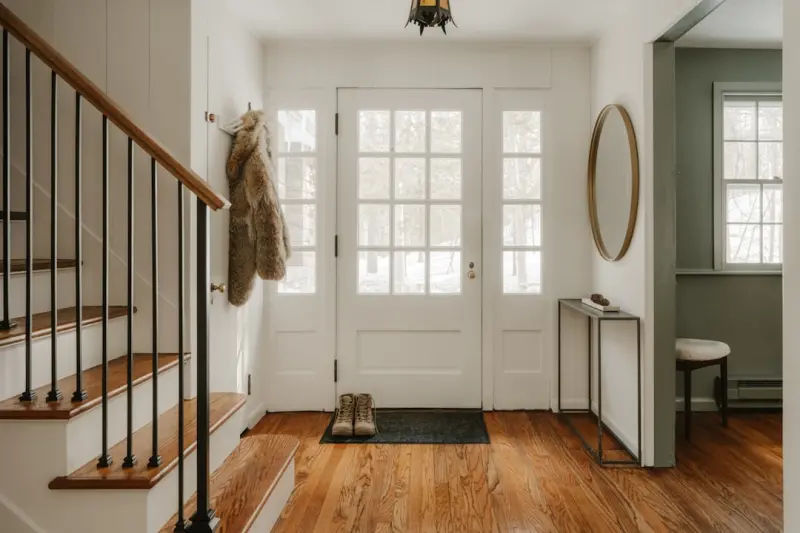
From Hallway to Hero: Turning Your Entryway into a Stylish Welcome Zone
A fresh take on entryway design shows how lighting, smart storage, seasonal swaps, and personal touc... Read More

Bring the Outdoors In: A Practical Guide to Biophilic Home Design
Learn how to integrate natural light, greenery, textures, and soundscapes into any home, creating a ... Read More

Transform Your Home into a Quiet Powerhouse for Productivity
Learn how to map sound, seal gaps, add soft surfaces, and use smart devices to create a quiet, produ... Read More
Top Posts

Riding Google’s AI Wave: My Playbook for Keeping Brands Human
A personal guide on mastering Google’s AI-driven search without losing your brand’s voice, blending technical strategy with authentic storytelling....Read More

Dining Diplomacy: Turning Business Meals into Global Growth Engines
Learn the art of culinary networking: strategic tips, tech tools, and a step‑by‑step playbook for turning business meals into high‑impact connections on t...Read More

Edge‑First SaaS: Why Proximity Is the New Performance Metric
Edge computing is transforming SaaS performance, compliance, and security. This post explains why proximity matters, how to adopt edge‑first patterns, and pre...Read More

Ambient Computing: The Invisible Helpers Shaping Our Daily Lives
Discover the rise of ambient computing—how invisible sensors and edge AI turn ordinary environments into proactive, privacy‑focused assistants that enhance ...Read More
0 Comments
Post Comment
You will need to Login or Register to comment on this post!