
How to Conduct a DIY Home Energy Audit (Even If You’re Renting)
When it comes to cutting costs, boosting comfort, and doing your part for the planet, the first place most homeowners look is at their electricity bill. But the secret to real savings often starts with a thorough energy audit—something you might assume requires a professional or a permanent home. Not so. With a little curiosity and a few simple tools, you can run a comprehensive audit on any space, even a rental apartment, without breaking lease agreements or your budget.
Why a DIY Audit Beats Waiting for the Utility Company
Utility companies will sometimes send an auditor, but appointments are scarce, the reports are generic, and the recommendations may not fit your lifestyle. A DIY approach gives you:
- Immediate insight: Spot high‑drain devices the moment you walk into a room.
- Control over priorities: Choose which fixes matter most to you—whether it’s lowering heating costs or eliminating phantom loads.
- Empowerment: You become the data source, so you can track improvements over weeks, months, or years.
Gather Your Toolkit (All Under $30)
Before you start, assemble a few affordable items. Most can be found at a local hardware store or online:
- A plug‑load meter (often called a Kill‑A‑Watt). This shows real‑time power usage for any plugged‑in device.
- A infrared thermometer – handy for checking surface temperatures of windows, walls, and HVAC vents.
- A smartphone with a light meter app – many free apps let you gauge illumination levels, helping you decide where to add or remove lighting.
- Sticky notes or a small notebook for jotting observations.
- A basic flashlight for inspecting hard‑to‑reach spaces.
Step‑One: Baseline Your Bills
Pull your last three months of electricity (and gas, if applicable) statements. Calculate the average monthly usage in kilowatt‑hours (kWh). This number becomes your baseline. If you notice spikes during certain months, note any seasonal factors—like higher air‑conditioning use in summer or space heating in winter. Those patterns will guide where you focus your audit.
Step‑Two: Map Out Energy‑Hungry Zones
Walk through each room with a notebook. For every zone, ask:
- What devices stay plugged in 24/7?
- Which lights are on for the longest periods?
- Are windows well‑sealed, or do they feel drafty?
- How is the thermostat set, and does it match the room’s usage?
Mark high‑consumption spots with a bright sticky note. This visual map will keep you focused as you test each area.
Step‑Three: Uncover Phantom Loads
Plug‑load meters are your best friend here. Insert the meter into an outlet, then plug a device into the meter. Turn the device off (or leave it on standby) and watch the reading. Common culprits include:
- TVs and streaming sticks left in standby.
- Phone chargers that stay plugged in even when not charging.
- Gaming consoles with “quick‑resume” modes.
- Smart home hubs that never fully power down.
When you spot a device consuming more than 1–2 watts while idle, consider unplugging it or swapping for a smart power strip that cuts power automatically. This simple step can shave 5–10% off your monthly bill.
Step‑Four: Inspect Insulation & Drafts
Use the infrared thermometer to scan walls, windows, and doors. Look for temperature differences greater than 5°F (≈3°C) between interior and exterior surfaces. Cold spots around windows often indicate poor sealing. A quick fix is to apply weatherstripping tape—affordable, renter‑friendly, and removable without damage.
Don’t forget the top of doors, especially if you have a hallway leading outside. Draft stoppers (the “door snakes”) are inexpensive and can be slid under the door to block cold air.
Step‑Five: Optimize Lighting
Older fixtures may use incandescent bulbs that waste up to 90% of their energy as heat. Swap them for LED equivalents (look for the ENERGY STAR label). Use your light‑meter app to gauge the brightness of each space. In areas where natural light floods in—like a sun‑lit kitchen—consider removing a lamp altogether.
For renters, a smart plug with a scheduling feature can turn lights off automatically at bedtime, ensuring you never leave a lamp on overnight.
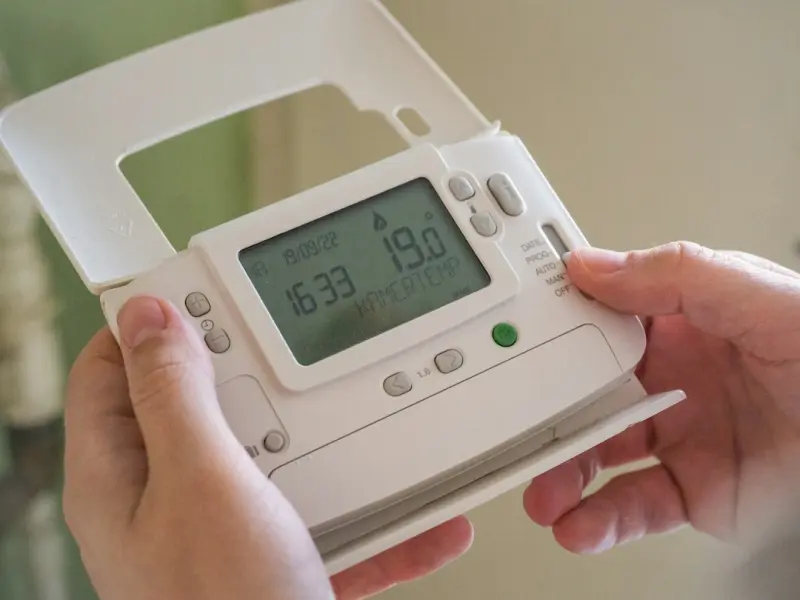
Step‑Six: Tame the Thermostat
If you have control over the thermostat, set it to a “comfort‑economy” range: 68°F (20°C) in winter and 78°F (26°C) in summer. Each degree you move the thermostat away from extreme temperatures can save up to 3% on heating or cooling costs.
When you can’t adjust the central thermostat (common in many rentals), focus on supplemental solutions:
- Portable ceramic heaters for rooms you occupy most, allowing you to keep the main heat down.
- Window reflective films that block heat in summer and retain warmth in winter—these are removable and usually leave no residue.
Step‑Seven: Track Your Progress
After implementing fixes, monitor your electricity usage for the next month. Compare it to the baseline you established earlier. Even a modest 5% reduction translates to noticeable savings over a year.
Document each change in a spreadsheet: date, modification, cost, estimated energy saved, and actual bill impact. This living document not only proves your ROI but also serves as a template for future renters or even home‑ownership projects.
Bonus: Leverage Smart Home Insights Without Breaking Leases
Many renters think smart home devices are off‑limits, but there are non‑intrusive options that add value without altering wiring:
- Smart plugs (like the ones used for lighting) let you schedule and monitor power consumption via a phone app.
- Battery‑operated motion sensors can trigger lights only when rooms are occupied, cutting wasted illumination.
- Portable air quality monitors give you real‑time data on indoor pollutants, helping you adjust ventilation or add indoor plants strategically.
Connecting the Dots: From Energy Audit to a Healthier Home
When you reduce unnecessary energy consumption, you also improve indoor comfort. A well‑insulated, draft‑free space maintains more consistent temperatures, which can boost sleep quality and reduce the need for excessive heating or cooling—an indirect win for your home wellness hub. Moreover, a leaner energy footprint aligns with the principles of sustainable living, a trend that’s reshaping how renters and homeowners think about their spaces.
Turning an Audit into a Lifestyle Habit
Make the audit an annual ritual, especially before extreme weather seasons. Each year, technology advances—new smart plugs, more efficient LED bulbs, better weatherstripping. Updating your toolkit keeps the process fresh and the savings growing.
And remember, the effort you invest now pays off in two ways: a lighter utility bill and a more comfortable, healthier living environment. Even as a renter, you have the power to shape the energy dynamics of your home without tearing down walls.
Quick Reference Checklist
- Gather plug‑load meter, infrared thermometer, light‑meter app.
- Record baseline kWh from past three bills.
- Map high‑usage zones and tag them.
- Identify phantom loads with plug‑load meter.
- Seal drafts using removable weatherstripping.
- Swap incandescent bulbs for LEDs.
- Adjust thermostat or use portable heating/cooling solutions.
- Implement smart plugs for scheduling.
- Track post‑audit usage and compare to baseline.
- Repeat annually and update tools.
Real‑World Example: A Renter’s Success Story
Emily, a graphic designer living in a downtown loft, followed this exact process. By unplugging five idle devices (saving 8 kWh/month), sealing a window draft with a simple tape, and replacing seven bulbs with LEDs, she cut her monthly electricity bill by $45. Over a year, that’s $540 saved—more than enough to cover the cost of a new ergonomic office chair, turning her space into a more productive and comfortable environment, a subtle nod to productivity sanctuary ideas without the full renovation.
Final Thoughts
Energy efficiency isn’t just a buzzword for eco‑enthusiasts; it’s a practical, actionable strategy for anyone who pays a utility bill. Whether you own your home or are simply leasing, a DIY energy audit empowers you to make data‑driven decisions, reduce waste, and create a living space that feels intentional and comfortable. Start today, and watch the savings—and the comfort—grow.

Sanji Patel has dedicated 25 years to the SEO industry. As an expert SEO consultant for news publishers, he emphasizes providing both technical and editorial SEO services to news publishers worldwide. He frequently speaks at conferences and events globally and offers annual guest lectures at local universities.
Related Posts
Revamp Your Sanctuary: Unconventional Home Hacks for Modern Living
A fresh take on home improvement, this guide offers actionable micro‑zone designs, acoustic soluti... Read More

Smart Home Hacks for the Busy Professional
A comprehensive guide to transforming your living space into a productivity‑friendly sanctuary, fe... Read More

How to Craft a Home Sanctuary That Boosts Focus and Joy
Discover step‑by‑step strategies to turn any living space into a calming, productive sanctuary, ... Read More
Top Posts

AI‑Powered Knowledge Bases: Turning Static Docs into Living Support Agents
Learn how generative AI can convert traditional product documentation into a conversational, real‑time knowledge assistant, delivering faster onboarding, high...Read More

Designing a Mobile “Productivity Oasis” for the Modern Traveler
Discover a step‑by‑step framework for building a “Productivity Oasis” on the road, blending habit, tech, and rhythm to stay focused and innovative while...Read More

Flavor Trails: Mapping Local Cuisine on Your Travels
Explore the concept of flavor trails—using food maps to guide travel, deepen cultural immersion, and turn every meal into a meaningful waypoint on your journe...Read More

From Data Deluge to Decision Clarity: How AI‑Augmented Intelligence Is Redefining B2B Strategy
A deep dive into AI‑augmented decision intelligence, showing how contextual grounding, probabilistic reasoning, and actionable recommendations turn raw data i...Read More
0 Comments
Post Comment
You will need to Login or Register to comment on this post!