
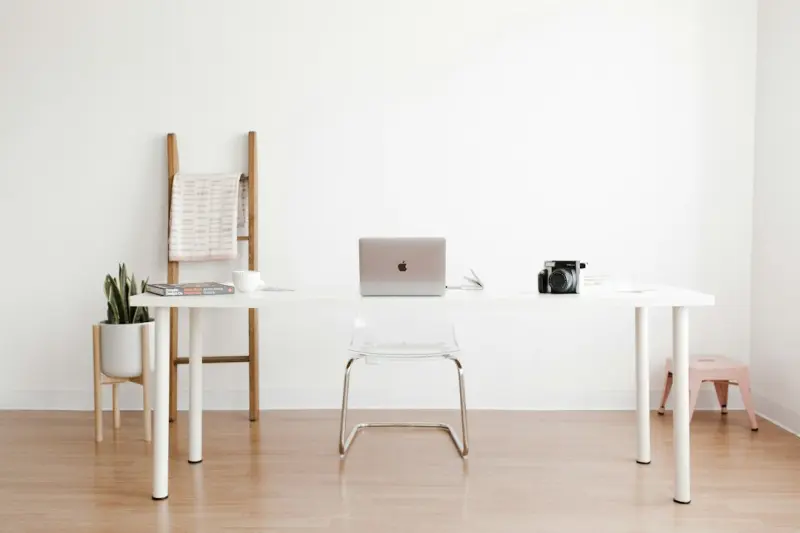
Redefining Home Spaces: A Blueprint for a Personal Productivity Sanctuary
When you step through the front door after a marathon day of meetings, emails, and coffee‑fuelled brainstorms, what do you want your home to say? To many of us, it feels like the house has become a third office—a place where we try to juggle relaxation and the lingering urge to keep ticking items off our to‑do list. The good news? You can design every room to serve as a productivity sanctuary without sacrificing comfort or style.
Why a Sanctuary Mindset Works
Most productivity advice focuses on the desk, the calendar, or the app ecosystem. Yet the environmental cue—the subtle signals our surroundings send—plays an equally pivotal role. When the visual, auditory, and tactile elements of a space align with the task at hand, the brain slips into a flow state faster. Think of it as a silent coach whispering, “You’ve got this,” every time you settle into a chair.
1. Map Your Energy Zones
Start by observing the natural rhythm of your home. Sunlight streams in from the east in the mornings, the kitchen buzzes with activity around dinner time, and the bedroom becomes a retreat after dark. Use these energy zones to allocate tasks:
- Morning focus zone: A sunny corner of the living room or a loft window seat. Ideal for deep work that requires concentration.
- Mid‑day activation zone: The kitchen island or a high‑top table. Great for brainstorming, quick calls, or collaborative planning.
- Evening unwind zone: A cozy nook with dim lighting. Perfect for reflective journaling or reading.
By matching the natural light and ambient noise to the cognitive demand, you’re essentially rewiring your body clock for peak performance without the need for artificial stimulants.
2. Soundscapes: From Noise to Narrative
Sound is often the most overlooked element. Open‑plan homes can feel like a constant hum, while a closed office can be too quiet, leading to distraction. The secret is to curate a soundscape that supports the activity:
- White‑noise machines: Mask street traffic during deep work sessions.
- Curated playlists: Instrumental or low‑key electronic tracks boost concentration without lyrical interference.
- Audio‑first experiences: If you love podcasts, designate a “listening chair” where you can absorb audio content while performing light tasks. This mirrors the concept explored in audio‑first experiences that prioritize sound as the primary medium.
Invest in a quality set of speakers or noise‑cancelling headphones. Even a modest pair can transform a chaotic kitchen into a focused studio.
3. The Power of Micro‑Lighting
Lighting isn’t just about brightness; it’s about quality. A single overhead bulb can feel harsh, whereas layered lighting creates depth. Here’s how to implement micro‑lighting without a full redesign:
- Task lights: Adjustable LED lamps with a color temperature of 4000‑5000 K emulate natural daylight, ideal for reading and writing.
- Ambient glow: Warm‑tone floor lamps or wall sconces for evenings, reducing blue‑light exposure.
- Accent highlights: Small LED strips behind shelving or under cabinets can delineate zones and add a subtle visual cue that you’re “in work mode.”
Switches that allow you to cycle through these layers with a single tap make it effortless to transition from “focus” to “relax” mode.
4. Air Quality: The Invisible Productivity Booster
Stale air can sap mental energy. Simple actions can dramatically improve indoor air quality:
- Houseplants: Snake plants, pothos, and peace lilies not only add greenery but also filter pollutants.
- Ventilation hacks: Open windows for 10‑15 minutes twice a day, or install a low‑noise exhaust fan in the bathroom to circulate fresh air.
- Air purifiers: HEPA units are especially useful in rooms with carpets or pets.
A breath of fresh air can be the difference between a sluggish afternoon and a high‑impact sprint.
5. Furniture as Flow Facilitators
Choosing furniture that encourages movement prevents the “couch‑lock” syndrome where you feel glued to a spot. Consider:
- Height‑adjustable desks: Alternate between sitting and standing to keep blood flow optimal.
- Modular seating: Pieces that can be rearranged for solo work, group huddles, or meditation.
- Rolling carts: Mobile storage that follows you from room to room, ensuring tools are always within reach.
Even a simple floor cushion can become a “thinking seat” that signals to your brain it’s time to ideate.
6. Declutter with Purpose
Clutter isn’t just visual; it’s cognitive. The brain expends mental resources processing visual noise, leaving less bandwidth for creative tasks. Adopt a “one‑in, one‑out” rule: for every new item you bring home, donate or discard an existing one. Additionally, categorize items by frequency of use—keep daily essentials within arm’s reach and store seldom‑used items out of sight.
7. Digital Minimalism at Home
While the physical environment matters, the digital one does too. Designate a “tech‑free zone” where smartphones and tablets are off‑limits during deep work blocks. Use focus modes on your devices to silence notifications, and consider a dedicated laptop stand that signals a shift from leisure to productivity.
8. Rituals that Anchor Transitions
Creating small rituals helps your brain switch gears. Examples include:
- Lighting a scented candle when moving from work mode to relaxation.
- Playing a short 5‑minute meditation track before starting a new task.
- Changing the room’s scent using a diffuser—citrus for focus, lavender for calm.
These sensory cues become Pavlovian triggers that make transitions smoother and more intentional.
9. Energy Efficiency Meets Productivity
Smart home tech can reduce energy waste while supporting your workflow:
- Smart thermostats: Program them to lower the temperature when you’re in a low‑energy task (e.g., reading) and raise it when you’re actively working.
- Smart plugs: Automatically turn off non‑essential devices during peak work hours, minimizing distractions.
- Motion‑sensing lights: Ensure lights are only on when the room is occupied, preserving focus and saving electricity.
These subtle efficiencies keep the environment comfortable and your mind free from the subconscious stress of rising utility bills.
10. Personalize with Meaningful Art
Visual inspiration can be a silent motivator. Choose artwork that resonates with your personal goals—abstract pieces that evoke movement, prints of mountains for ambition, or a timeline of milestones you’ve achieved. Position these pieces where you spend the most time; they’ll remind you of purpose without demanding active attention.
Putting It All Together: A Sample Day in Your Sanctuary Home
6:30 am – Sunrise Warm‑up
Open the east‑facing windows, let natural light flood your “morning focus zone,” and start a 10‑minute breathing exercise. The fresh air and bright light signal the brain to shift into alert mode.
7:00 am – Power‑Coffee & Audio‑First
Sit in your designated listening chair, sip coffee, and tune into an insightful podcast. The curated audio‑first experience primes you for strategic thinking.
8:00 am – Deep Work Session
Move to the adjustable desk, switch on task lighting, and activate a white‑noise app. With the room’s micro‑lighting and soundscape aligned, you dive into focused writing.
12:00 pm – Mid‑day Activation
Transition to the kitchen island, turn on ambient lighting, and enjoy a quick, balanced meal. The shift in setting resets your brain, preparing it for the afternoon sprint.
3:00 pm – Creative Huddle
Invite a colleague to the modular seating area. Use a rolling cart to bring in sketches and a tablet. The flexible furniture encourages spontaneous collaboration.
6:00 pm – Unwind Ritual
Dim the lights, light a lavender candle, and move to your evening unwind zone. No devices, just a book or gentle music. Your brain winds down, and the day’s stress dissipates.
By consciously designing each transition, you create a rhythm that feels natural yet powerful—turning any house into a sanctuary that fuels both productivity and well‑being.
Final Thoughts: The Sanctuary Is a Journey, Not a Destination
Transforming your home into a productivity sanctuary isn’t about buying the latest gadget or overhauling your decor in one weekend. It’s about intentional, incremental changes that align your environment with the way your brain works. Start small—swap a lamp, add a plant, set a sound cue. As each habit solidifies, the cumulative effect will be a home that feels less like a background and more like an active partner in your success.
Ready to begin? Pick one zone, apply a single tip from this guide, and watch how quickly the rest of the house follows suit. Your sanctuary awaits.

Shawn DesRochers is a certified Microsoft technician and Programmer with 30+ year's experience. He has written many reviews on computer related products, software, and SEO related topics. When he's not writing reviews he can be found at one of the Oldest Directories Online Business Directory USA which he is the CEO of.
Related Posts

Creative Home Hacks to Elevate Everyday Living
Explore innovative, low‑cost home hacks that turn ordinary rooms into personalized retreats, impro... Read More
Breathe Easier: Simple Home Hacks for Cleaner Air
This post offers practical, DIY-friendly strategies to improve indoor air quality, from ventilation ... Read More
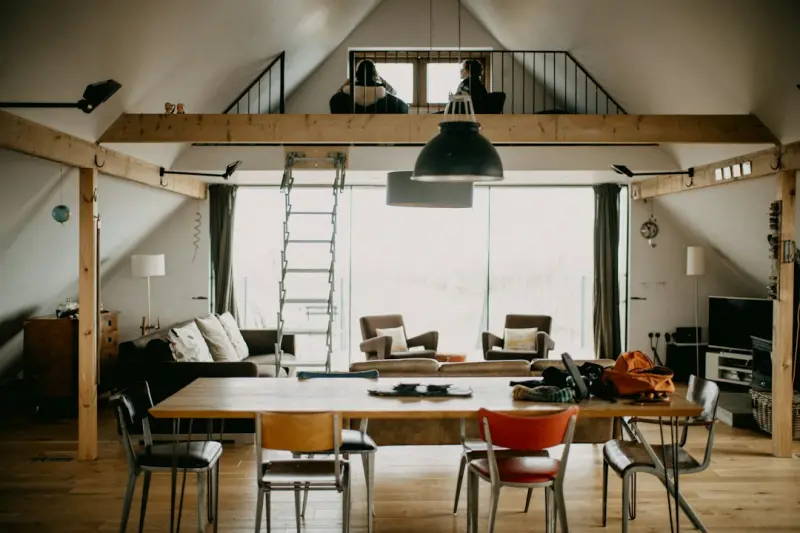
Smart Zoning: Transform Your Open‑Plan Home into Distinct Work, Play, and Rest Areas
Discover practical, low‑cost strategies to divide an open‑plan space into clear work, play, and ... Read More
Top Posts
Carbon‑Smart Campaigns: Greening B2B Digital Marketing
Marketers can now combine ROI and sustainability by auditing digital footprints, choosing low‑impact formats, leveraging AI, and reporting carbon impact, turn...Read More

Transform Your Home into a Year‑Round Sanctuary
Discover easy, budget‑friendly ways to turn every room into a soothing sanctuary with layered lighting, natural scents, acoustic tweaks, and clever storage so...Read More

Unlocking the Brain‑Body Connection: VR Therapy and the Gut Microbiome for Modern Wellness
Virtual reality isn’t just for gamers—its immersive power can reset the nervous system, improve focus, and, when paired with gut‑friendly nutrition, creat...Read More

Conversational Playbooks: Redefining B2B Marketing Engagement
A conversational playbook aligns persona‑driven hooks, intent‑responsive paths, and outcome‑anchored calls‑to‑action to turn static marketing assets i...Read More
0 Comments
Post Comment
You will need to Login or Register to comment on this post!