
Reimagining Your Everyday Space: Practical Home Hacks That Actually Stick
When I first moved into my downtown loft, I was dazzled by the open‑plan layout, the floor‑to‑ceiling windows, and the promise of a fresh start. Yet, after a few months of juggling remote work, evening cooking experiments, and the occasional Netflix binge, I realized that a beautiful space can quickly become a chaotic one if the fundamentals aren’t aligned with how we actually live. This isn’t about chasing the latest interior‑design trend; it’s about building a home that serves the rhythm of your day, reduces friction, and quietly boosts your wellbeing.
The Power of “Micro‑Zones”: Tiny Intentional Areas for Big Gains
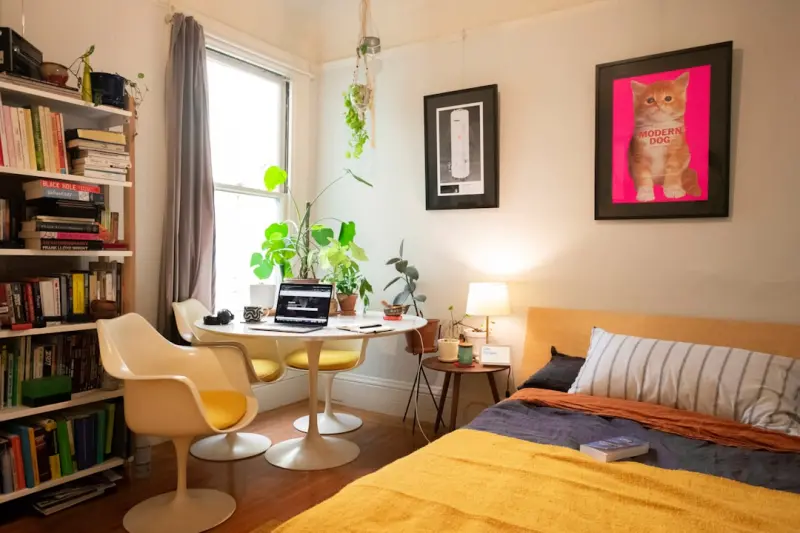
Think of your home as a collection of micro‑zones, each dedicated to a specific activity: a focus nook for deep work, a recharge corner for quick meditation, a prep station for efficient cooking, and a recharge shelf for your favorite reads. By consciously carving out these zones, you eliminate decision fatigue and create subconscious cues that tell your brain, “Now it’s time to focus,” or “Now it’s time to unwind.”
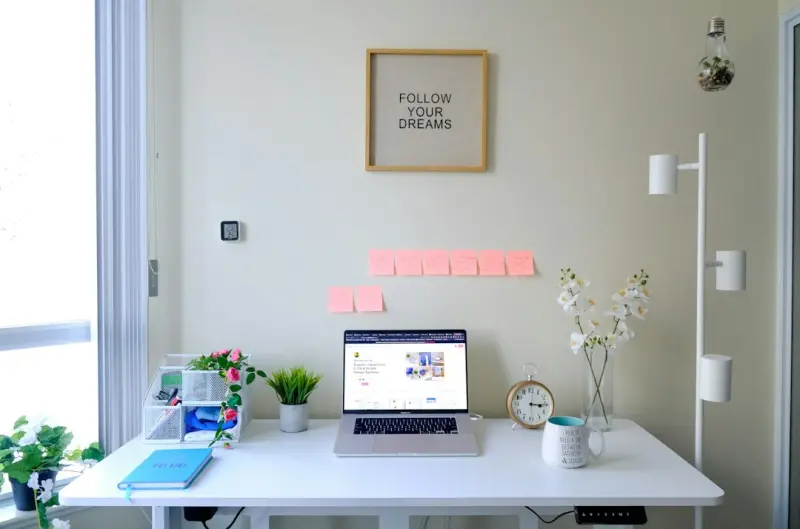
- Focus Nook: A small desk or a sturdy table placed near natural light, equipped with only the essentials—laptop, notebook, and a single pen. Remove everything else; the fewer distractions, the deeper the flow.
- Recharge Corner: A plush cushion, a low‑profile lamp, and a scent diffuser (think cedar or citrus). Keep a timer nearby for 5‑minute breathing breaks.
- Prep Station: A rolling cart stocked with knives, cutting boards, and your most‑used spices. Position it near the fridge so you never have to trek across the kitchen for a utensil.
- Reading Shelf: A narrow vertical shelf at eye level, filled with books you intend to read this month. It’s a visual promise you can’t ignore.
These micro‑zones can be as simple as rearranging furniture, but the impact compounds over time. Each zone reduces the mental load of figuring out where to work, relax, or cook, letting you glide through your day with less friction.
Acoustic Comfort: The Unsung Hero of a Productive Home
We often focus on visual aesthetics while neglecting how sound travels through our walls. A single echoing footstep or a sudden clatter can shatter concentration. Here are three low‑cost strategies to tame unwanted noise:
- Strategic Soft Furnishings: Place a thick rug under your desk area; it absorbs footfall vibrations. Add heavy curtains that not only block light but also dampen street noise.
- DIY Acoustic Panels: Frame fabric‑covered foam or even old sweaters and mount them on walls facing your work zone. They look chic and cut reverberation in half.
- White‑Noise Companion: A discreet tabletop fan or a dedicated white‑noise machine can mask disruptive sounds, creating a consistent auditory backdrop that promotes focus.
Implementing just one of these tricks can transform a bustling apartment into a sanctuary of calm, especially during virtual meetings or intense project sprints.
Smart Storage Hacks: Declutter Without Giving Up What You Love
Clutter is a silent productivity killer. It steals visual space, creates mental chaos, and often hides the things you need most. The key is not to purge everything but to store smarter. Below are three adaptable systems you can tailor to any apartment size:
- Vertical Stackable Bins: Use clear, stackable bins in closets to separate categories—seasonal clothing, tech accessories, or hobby supplies. The transparent design lets you locate items at a glance.
- Hidden Under‑Bed Drawers: Slip low‑profile drawers beneath the bed for items you rarely need but still want within reach—extra bedding, spare chargers, or board games.
- Magnetic Strips for Metal Tools: Install magnetic strips on the side of a pantry door or inside a bathroom cabinet. They’re perfect for holding tweezers, spice tins, or small kitchen tools.
When each item has a designated home, you’ll spend less time searching and more time doing. Plus, the visual relief of a tidy environment can boost your mood—an often‑overlooked benefit of organized living.
Indoor Plant Power: More Than Just Aesthetic Appeal
Plants aren’t just decorative; they improve air quality, reduce stress, and can even enhance focus. However, many home‑owners struggle to keep them thriving. Here’s a science‑backed approach to greenify your space without turning it into a botanical nightmare:
- Choose Low‑Maintenance Species: Snake plants, ZZ plants, and pothos tolerate low light and irregular watering.
- Group by Light Requirements: Position sun‑loving succulents on the windowsill, while shade‑tolerant ferns can thrive in the bathroom or a dim corner.
- Implement a Simple Water Schedule: Use a moisture meter or the “finger test” (push your finger 2 cm into the soil; if it feels dry, water). Consistency beats occasional over‑watering.
As you watch these green companions grow, you’ll notice a subtle lift in your overall energy—nature’s quiet encouragement to stay present.
Energy‑Saving Tweaks That Pay Off Quickly
Beyond the obvious thermostat adjustments, there are hidden energy drains that often slip under the radar. Tackling these not only shrinks your utility bill but also aligns your home with sustainable practices—something I’ve found increasingly important as we spend more time indoors.
- Smart Power Strips: Plug multiple devices into a strip that automatically cuts power when they’re idle. This stops “vampire” draw from chargers, TVs, and gaming consoles.
- LED Light Bulbs with Adjustable Color Temperature: Warm light in the evening signals your body to unwind, while cooler light in the morning boosts alertness—an easy way to support circadian rhythms.
- Seal Drafts with Weatherstripping: A quick roll of foam tape around doors and windows can prevent heat loss, making your heating system work less hard.
Implementing these three measures can shave 10‑15 % off your monthly energy consumption, a win for both your wallet and the planet.
Bringing “Micro‑Adventures” Into Your Home Routine
While the term “micro‑adventures” usually conjures images of a quick hike or a weekend city escape, you can borrow that spirit for home life. By introducing small, purposeful variations into your daily routine, you keep the environment feeling fresh and your mind engaged. For example, swap out your coffee mug each week, or rotate a decorative piece in your living room to change the visual focal point.
Curious about how micro‑adventures can reshape your mindset? Check out this article on Micro‑Adventures: Small Escapes, Big Impact for inspiration that can be easily adapted to an indoor setting.
Leveraging “Tiny Home Rituals” for Big Psychological Wins
Even if you don’t live in a literal tiny home, the rituals practiced by tiny‑home dwellers can be applied anywhere. The idea is to create concise, repeatable habits that reinforce a sense of control and comfort. A nightly “reset” ritual—turning off screens, dimming lights, and laying out tomorrow’s outfit—can dramatically improve sleep quality and reduce morning stress.
Explore the deeper benefits of these practices in The Secret Benefits of Tiny Home Rituals, and see how they translate to a larger living space.
Mindful Tech Integration: Making Gadgets Work for You
Smart devices are fantastic—if you let them serve you rather than dominate your attention. Here’s how to strike that balance:
- Dedicated “Tech‑Free” Zones: Keep the bedroom free of screens. Use an analog alarm clock to avoid the temptation of scrolling before sleep.
- Voice‑Controlled Routines: Program your voice assistant to dim lights, start a playlist, or lock doors with a single command, reducing the need to fumble with multiple apps.
- Notification Hygiene: Turn off non‑essential push notifications on your phone; set “Do Not Disturb” windows that align with your focus blocks.
By curating the tech environment, you preserve the convenience of modern gadgets while protecting mental clarity.
Creating a Multi‑Sensory Atmosphere
We often design homes for the eyes, but our other senses are equally important. A balanced multi‑sensory environment can enhance mood, improve productivity, and even influence health.
- Touch: Incorporate varied textures—soft throws, smooth stone coasters, and rough wooden trays—to keep tactile interest alive.
- Smell: Use essential oil diffusers or natural incense to introduce calming aromas like lavender during evenings and energizing citrus in the morning.
- Sound: Curate background playlists that match the activity—instrumental focus music while working, soft jazz during dinner.
When you engage multiple senses intentionally, you transform a static space into a dynamic experience that supports the task at hand.
Final Checklist: Your Home Upgrade Action Plan
Ready to put these ideas into practice? Use the checklist below to prioritize changes based on impact and effort:
- ☐ Define three micro‑zones and declutter each one.
- ☐ Install one acoustic panel in your work area.
- ☐ Add two low‑maintenance plants and set a watering reminder.
- ☐ Replace one standard bulb with an adjustable LED.
- ☐ Set up a smart power strip for entertainment devices.
- ☐ Rotate a decorative piece weekly for a micro‑adventure feel.
- ☐ Establish a nightly reset ritual before bedtime.
- ☐ Designate a tech‑free zone and enforce it.
Small, intentional steps create a ripple effect that reshapes how your home supports you—day after day.

Robert Mathews is a professional content marketer and freelancer for many SEO agencies. In his spare time he likes to play video games, get outdoors and enjoy time with his family and friends .
Related Posts

Brighten and Quiet Your Home: Simple Light and Sound Hacks for Everyday Comfort
Learn how to amplify natural light, upgrade artificial lighting, and silence unwanted noise with sim... Read More
Designing a Home Productivity Hub for Busy Lives
Learn how to create micro‑zones, optimize lighting, and integrate affordable ergonomics to turn an... Read More

10 Everyday Hacks to Slash Your Home Energy Bills Without a Renovation
Learn quick, budget‑friendly hacks—from sealing drafts to optimizing thermostat settings—that ... Read More
Top Posts

How Google’s AI‑Powered Workspace Is Shaping the Future of SaaS Collaboration
Google’s AI‑enhanced Workspace suite is turning ordinary docs, sheets, and meetings into intelligent co‑pilots, accelerating product cycles, boosting data...Read More

Zero‑Click SEO: Owning the SERP Spotlight Without a Click
Zero‑click search is reshaping B2B SaaS visibility. This guide shows how semantic clusters, structured data, and visual search integration can secure top SERP...Read More
The Untapped Power of Structured Data for SaaS Landing Pages
Structured data is a game‑changer for SaaS landing pages. Discover practical implementations of product, FAQ, and review schema, and a 30‑day action plan to...Read More

Beyond the Airport: Crafting Authentic Travel Experiences
Discover how intentional planning, sustainable choices, and interactive tools can transform ordinary trips into authentic, unforgettable experiences....Read More
0 Comments
Post Comment
You will need to Login or Register to comment on this post!