
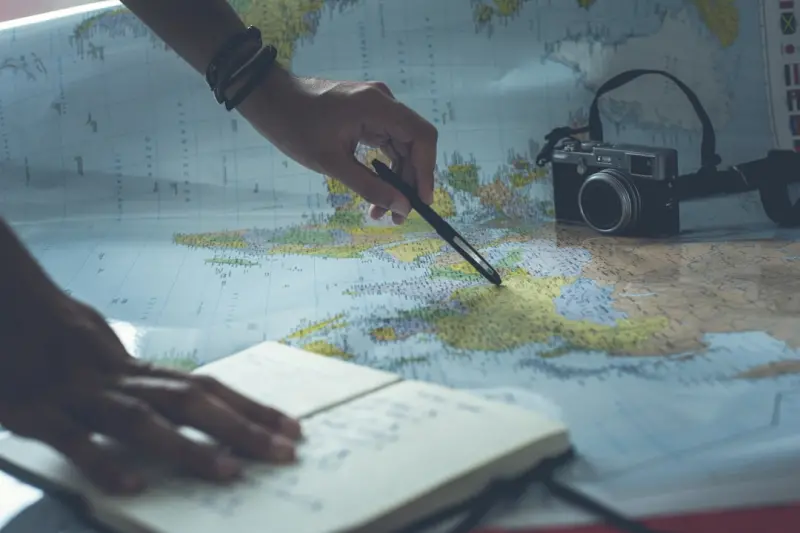
There’s a quiet rebellion happening in the world of wanderlust: travelers are no longer satisfied with scrolling through a feed of glossy photos and ticking off checklists. We crave stories that live beyond the moment, narratives we can open years later and feel the same rush of discovery. I call it the “personal travel archive,” a living, breathing repository of sights, sounds, flavors, and feelings that transforms fleeting trips into an enduring part of who we are.
Why an Archive Beats a Highlight Reel
Scrolling through a perfectly curated Instagram carousel is tempting, but it flattens the richness of an experience into a handful of filtered images. An archive, on the other hand, captures the texture of a journey— the aroma of a night market, the texture of a weather‑worn stone wall, the echo of a distant train whistle. By preserving these details, you give yourself a personal museum where each exhibit triggers the emotions and insights that shaped you on the road.
The Three Pillars of a Travel Archive
Building an archive isn’t about hoarding every scrap; it’s about curating meaningful fragments that speak to you. I break it down into three pillars: Capture, Curate, and Connect.
- Capture—Gather raw material while you’re still immersed. This includes photos, short video clips, voice memos, ticket stubs, receipts, and even the smell of a spice market (recorded via a scent‑journal app).
- Curate—When you return home, sift through the flood. Choose the moments that resonated most, and give them context: dates, locations, moods, and personal reflections.
- Connect—Link each fragment to a larger story. Pair a photo of a sunrise with a journal entry about the conversation you had with a local fisherman, or attach a receipt from a street vendor to a recipe you’ll recreate later.
Tools of the Trade: From Analog to AI
My own archive began as a battered leather notebook, but technology has expanded the canvas dramatically. Today, a suite of digital tools can act as a co‑pilot for organizing and enriching travel data. Voice assistants can transcribe your reflections on the fly; AI‑driven photo managers automatically tag locations and subjects; and cloud‑based note‑taking apps let you link multimedia files seamlessly.
Don’t feel pressured to adopt every app on the market. Start with one that feels intuitive—perhaps a simple audio‑memo recorder on your phone. Over time, integrate more sophisticated platforms that can auto‑generate maps or timelines. The goal is to let technology amplify your memories, not drown them.
Creating a Sensory Logbook
One of my favorite practices is a “sensory log” for each day on the road. I set a timer for five minutes before bed and record a short voice note describing what I saw, heard, tasted, smelled, and felt. These snippets become a vivid soundtrack when revisited years later. Pair them with a single photo that captures the scene, and you have a multi‑dimensional snapshot that no static image could convey.
Physical Keepsakes: The Tangible Thread
While digital archives are powerful, there’s something magical about holding a physical token—a ticket stub from a train ride, a pressed flower from a garden, a handwritten postcard. I store these in a dedicated “Travel Box” that sits on my desk, serving as a tactile reminder to pause and reflect. To keep the collection manageable, I only retain items that evoke a strong emotion or story. The rest? I photograph them and let the digital version take their place.
Organizing with the Mind of a Home Designer
Think of your archive as a home you’re designing, where each room serves a purpose. Just as a well‑planned living space promotes calm and focus, a thoughtfully structured archive makes retrieval effortless. I borrowed a principle from the post Simple Systems That Work article: create “zones.” One zone holds visual media, another houses audio reflections, a third contains written notes, and a fourth is dedicated to culinary experiences. Tag each zone with clear labels, and you’ll spend less time searching and more time reminiscing.
Turning Your Archive Into a Storytelling Engine
When you have a robust collection, you can repurpose it in countless ways: blog posts, photo books, podcasts, or even a personal travel newsletter sent to friends and family. The process of reshaping your archive into shareable content reinforces the memories and often uncovers new insights you missed the first time around.
For example, I once turned a series of voice memos about a weekend in Lisbon into a short podcast episode. The episode featured ambient street sounds, a quick interview with a local fado singer (captured on my phone), and a recipe for pastel de nata that I’d noted from a bakery receipt. The result felt more intimate than any photo album could convey.
Privacy and the Digital Footprint
Sharing is great, but maintaining control over your personal data is essential. When you store location data and personal reflections online, you open a door to potential privacy concerns. Treat your archive as a private sanctuary, and only share portions you’re comfortable making public. Use encrypted cloud services, enable two‑factor authentication, and consider keeping the most sensitive items offline.
Maintaining Momentum: The Habit Loop
Like any habit, archiving thrives on consistency. I set a recurring reminder on my phone to spend ten minutes each evening updating my archive. This short, focused session prevents the backlog from becoming overwhelming. Pair the habit with a reward—perhaps a cup of tea from a new blend you discovered on your travels—and the loop solidifies over time.
Integrating Travel Archive with Everyday Life
Your archive isn’t a separate compartment; it can inform your daily decisions. Want to recreate that unforgettable breakfast you had in a coastal town? Pull up the receipt photo, the recipe note, and the scent‑journal entry for the sea breeze. Planning your next trip? Review past itineraries and discover patterns—perhaps you gravitate toward cities with vibrant street art or regions with a strong coffee culture.
When to Hit Pause: The Value of Disconnection
Ironically, the most powerful moments for reflection often happen when you intentionally step away from the constant buzz of connectivity. The article Why Disconnecting on the Road Supercharges Your Brain emphasizes that unplugging sharpens perception. Use those offline windows to dive deep into your sensory logs and let the memories settle before you formalize them in your archive.
Future‑Proofing Your Archive
Technology evolves, but the core intention—preserving the essence of your journeys—remains timeless. Periodically export your archive to a universal format (like PDF or CSV) and store it on an external hard drive. This redundancy safeguards against platform changes or service shutdowns. Moreover, consider printing a curated coffee‑table book every few years. Physical books resist digital decay and become heirlooms you can pass down.
Closing Thought: Travel as an Ongoing Conversation
Every trip is a dialogue between you and the world, and an archive is the transcript of that conversation. By committing to capture, curate, and connect, you transform fleeting adventures into a lifelong source of inspiration, learning, and joy. So the next time you book a flight or hop on a train, bring along not just a suitcase, but a mindset ready to turn each moment into a treasured story for the ages.

In the world of freelance writing, where creativity and adaptability are paramount, Michelle Fisher stands out as a dedicated and versatile professional. With a passion for crafting compelling narratives and a keen eye for detail, Michelle has established herself as a trusted voice.
Related Posts
Chasing Hidden Flavors: A Journey Through Small‑Town Markets
Explore how wandering through modest market squares reveals hidden flavors, deeper connections with ... Read More
Turning Travel Into a Portable Innovation Lab
Discover a fresh approach to travel that transforms downtime into a structured innovation lab, boost... Read More

Turn Every Layover into a Mini‑Adventure: A Road‑Warrior’s Playbook
Learn to view layovers as opportunities for quick city sprints, local food finds, and cultural immer... Read More
Top Posts

Seasonal Swaps: Smart Home Refreshes You Can Do on a Budget
A guide to affordable, seasonal home updates that cover lighting, textiles, décor, and functional tweaks, helping you keep every room feeling fresh and aligned...Read More

AI‑Enhanced Knowledge Management: Turning Static Docs into Living Learning Engines
Discover how AI can convert your static knowledge base into a living learning engine, delivering real‑time support, personalized onboarding, and predictive in...Read More

Unleashing Custom ML in B2B SaaS with Google Vertex AI
A deep dive into Google Vertex AI reveals how B2B SaaS companies can turn custom machine learning into a scalable growth engine, with seamless integration, buil...Read More

Data Storytelling with Google Looker Studio: Turning SaaS Metrics into Action
Learn how to use Google Looker Studio to blend product, marketing, and financial data into clear, actionable dashboards that speed decision‑making and reduce ...Read More
0 Comments
Post Comment
You will need to Login or Register to comment on this post!