

The Market as a Travel Compass
When the plane touches down and the taxi rattles through the city’s veins, the first true indicator of a destination’s soul isn’t a museum plaque or a skyline view—it’s the local market. These bustling hubs act as a living map of what people eat, trade, and cherish, offering travelers a shortcut to the heart of a culture without the need for a guided tour. I’ve learned that wandering through stalls of spices, textiles, and fresh produce reveals more authentic stories than any brochure ever could, turning a simple purchase into a conversation about history, climate, and community values.
The Sensory Symphony of Market Streets
Markets assault the senses in the most delightful way: the sharp sting of citrus zest mingles with the earthy perfume of fresh herbs, while distant chatter creates a rhythmic backdrop that feels almost musical. Each aisle becomes a soundtrack of daily life, where vendors call out prices and children dart between crates, echoing the pulse of the neighborhood. I often pause to close my eyes, letting the aromas guide me to stalls I hadn’t planned to visit, because a nose‑to‑nose experience with a local spice seller can ignite a curiosity that no travel guide ever predicts.
Building Trust with Vendors
Approaching a stall can feel intimidating, but a smile and a genuine question can open doors to stories that span generations. I remember bargaining over a woven basket in Marrakech, where the artisan shared how his grandfather taught him the art of knotting, a tradition that survived wars and migrations. Those moments of exchange transform a simple transaction into a shared narrative, and they remind us that travel is as much about people as places. By showing respect for their craft, we earn not just a better price, but an invitation into their world.
Shopping Sustainably in the Bazaar
Responsibility travels hand‑in‑hand with curiosity; buying locally produced goods supports the community and reduces the carbon footprint associated with imported souvenirs. I prioritize items that are handcrafted on site—ceramic mugs, woven scarves, or organic honey—because they embody the region’s resources and labor. When a vendor offers a reusable bag, I gladly accept it, turning my own travel kit into a statement of low‑impact tourism. Small choices, like refusing plastic packaging, ripple outward, encouraging stalls to adopt greener practices that benefit both residents and future visitors.
Culinary Adventures Beyond the Plate
Markets are incubators for culinary discovery, where raw ingredients sit beside seasoned chefs ready to demonstrate their craft. I’ve joined impromptu cooking lessons beside sizzling wok stations, learning to balance sweet and sour under the watchful eye of a street‑food maestro. Those sessions teach more than recipes—they reveal seasonal rhythms, local preferences, and the improvisational spirit that defines each cuisine. When I return home, the flavors linger, and the techniques I’ve acquired become a personal archive of global taste.
Bridging Language Gaps with Body Language
Even without fluency in the local tongue, a handful of gestures can convey respect and curiosity. A raised eyebrow, a nod, or pointing to a fruit while smiling often sparks a laugh and an explanation that transcends words. I’ve found that vendors appreciate the effort to engage, and they frequently respond with patience, teaching me the names of spices or the story behind a particular pattern. These non‑verbal exchanges build a bridge that turns strangers into friends, reminding us that communication is more than vocabulary.
Tech‑Enhanced Exploration
While the market’s charm thrives on analog interaction, modern tools can amplify the experience. I use a translation app to decode unfamiliar labels, then verify meanings with the seller, turning technology into a conversation starter rather than a barrier. For those who love to listen, the concept of sound‑focused travel extends here: recordings of bustling stalls become a soundtrack you can replay, rekindling the market’s atmosphere long after you’ve left the alley. This blend of old‑world charm and new‑world tech keeps the adventure fresh and accessible.
Everyday Cultural Immersion
The market is the stage where everyday culture performs, offering insights that museums often overlook. As I stroll past a stall selling traditional textiles, I notice patterns that echo historic symbols, prompting a deeper dive into regional folklore. These spontaneous observations echo the ideas explored in everyday cultural immersion, where each bite, scent, or greeting subtly reshapes our perception of place. By allowing the market to guide my itinerary, I let the locale dictate my story rather than the other way around.
Leaving With More Than Souvenirs
When the trip concludes and the market’s colors fade behind me, I carry home a trove of memories, recipes, and connections that no photograph can capture. The true value lies in the relationships forged with vendors who welcomed a curious traveler into their daily rhythm, and in the lessons learned about sustainability, flavor, and humanity. I encourage fellow wanderers to seek out the nearest market, to linger, to ask, and to taste, because each stall holds a micro‑adventure that can transform the way we view the world. Let the market be your compass, and let every purchase be a step toward a more connected, responsible journey.

Margaret Thomson is a seasoned freelance writer specializing in the dynamic worlds of marketing and advertising. With a career deeply rooted in the marketing field, Margaret brings a wealth of practical experience and insightful knowledge to her writing.
Related Posts

Turning Trips into Stories: The Narrative Traveler’s Playbook
Discover a fresh approach to travel that treats each trip as a story, offering practical steps, tool... Read More
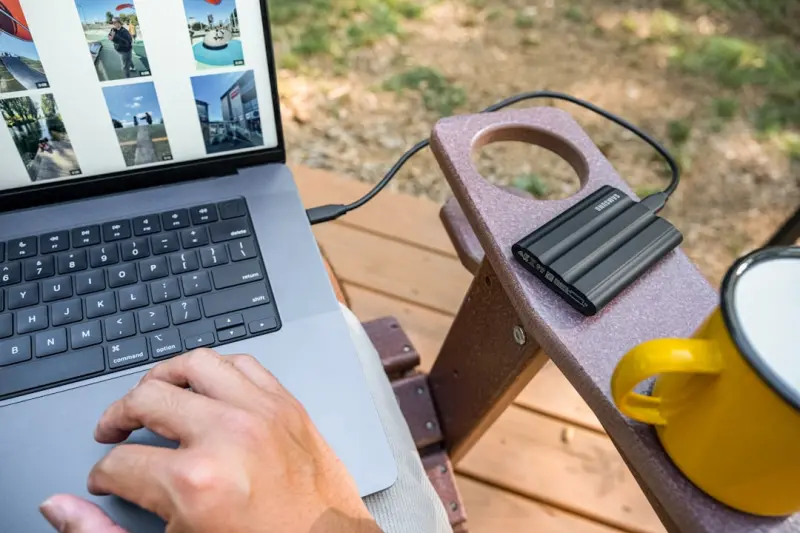
Remote Nomad Hubs: Crafting a Portable Life of Work and Wanderlust
Discover the rise of remote nomad hubs, where reliable connectivity, curated community, and flexible... Read More

Beyond the Checklist: Redefining Travel Through Purposeful Exploration
Travel is evolving from a personal escape to a purposeful act. This post explores how intentional ex... Read More
Top Posts
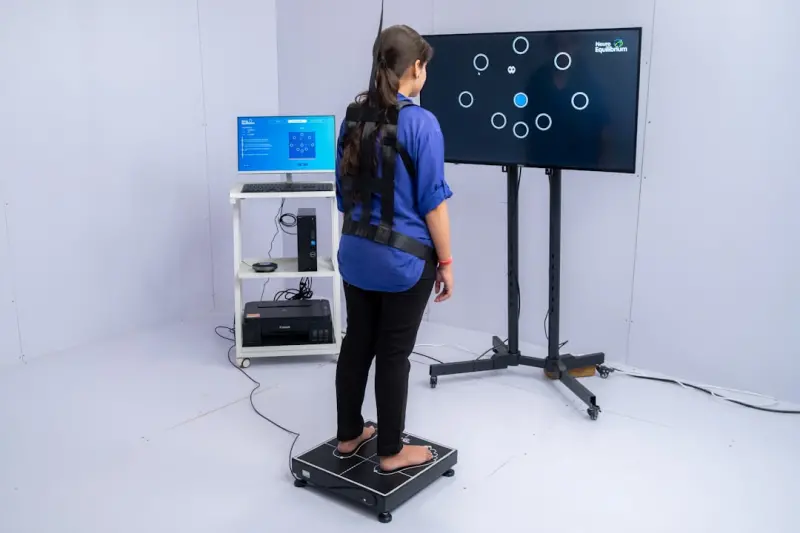
Wearable Biofeedback: Turning Your Body Into a Personal Health Dashboard
Biofeedback wearables move beyond step counts, offering real‑time physiological insights that act as a personal health coach, helping professionals manage str...Read More

Orchestrating Account‑Based Experiences: The New Playbook for SaaS Marketers
Learn how to transform traditional account‑based marketing into a real‑time, experience‑centric orchestration model that leverages zero‑party data, mult...Read More

Riding Google’s 2024 AI Wave: Rose DesRochers’ Insider Take on the Search Revolution
Rose DesRochers shares her insider view on Google’s 2024 AI wave, offering practical SEO tactics and brand‑safety tips to navigate the evolving search lands...Read More
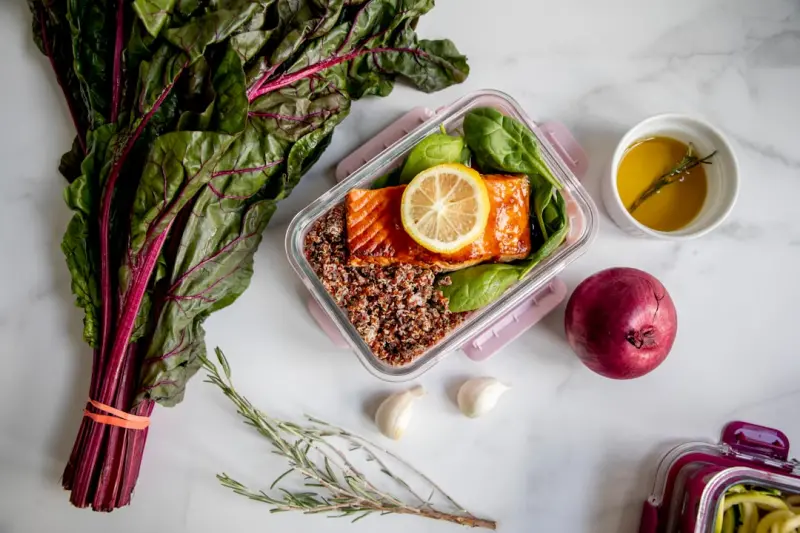
Microbiome Mastery: Simple Hacks for a Healthier Gut
Discover actionable strategies to nurture your gut microbiome through fermented foods, diverse plant fibers, mindful eating windows, and wearable data, turning ...Read More
0 Comments
Post Comment
You will need to Login or Register to comment on this post!