
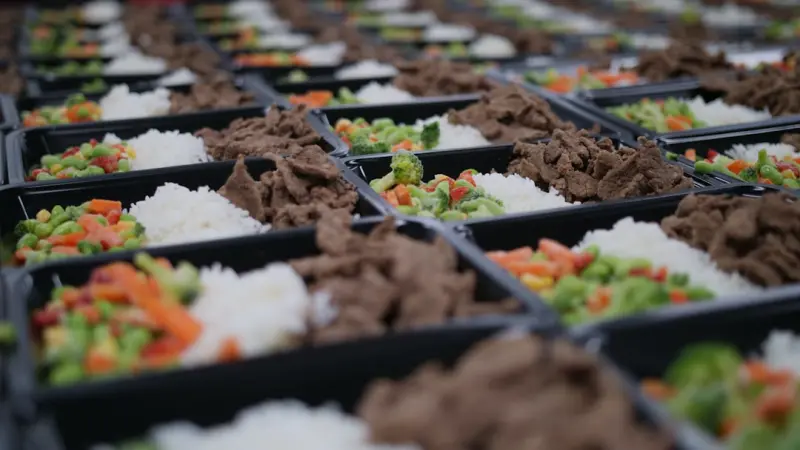
When I first boarded a midnight train to a sleepy coastal town, I wasn’t chasing sunsets or Instagram‑worthy backdrops. I was chasing the smell of grilled sardines wafting from a roadside stall, the hiss of a wok over an open flame, the tactile surprise of a hand‑rolled dough‑nut. That moment—pure, unfiltered, sensory—did more than fill my stomach. It rewired my brain, nudged my business instincts, and left a lingering curiosity that followed me back to the office. This is the story of why I now plan my trips around meals, not itineraries, and how those culinary detours become secret weapons in the boardroom.
Why Food Is the Unexplored GPS for Business Insight
Most travel guides rank sights, museums, and “must‑see” landmarks, but they rarely give a compass to the taste of a place. Yet the palate is a surprisingly precise sensor for cultural nuance, economic trends, and even emerging market opportunities. When you sit down at a family‑run eatery and watch the chef improvise with locally sourced ingredients, you witness a live case study in resourcefulness and innovation under constraints. Those same qualities are the lifeblood of any SaaS venture trying to stay ahead of the curve.
Consider the difference between a chain restaurant that serves the same menu worldwide and a hidden gem that adjusts its dishes daily based on the day’s catch or harvest. The former offers consistency; the latter offers adaptability—an essential trait for product teams navigating ever‑shifting user demands. By immersing ourselves in these micro‑ecosystems, we internalize a mindset of continuous iteration without the need for a formal sprint.
From Plate to Product: Translating Culinary Patterns into SaaS Strategies
Here’s how I break down the experience into actionable business takeaways:
- Seasonality as a Feature Roadmap. Just as chefs highlight seasonal produce, product managers can map feature releases to natural market cycles—holiday shopping spikes, fiscal year ends, or even industry conferences.
- Ingredient Transparency = Customer Trust. When a chef explains why a dish includes a particular herb, diners feel a deeper connection. Similarly, SaaS platforms that disclose data provenance or algorithmic logic build stronger user trust.
- Chef‑Driven Experimentation = A/B Testing. A chef might serve two variations of a sauce to gauge reaction. That’s essentially a live, real‑world A/B test, offering immediate feedback loops that we can emulate in feature rollouts.
- Community Tables = Collaborative User Forums. Communal dining fosters conversation, idea exchange, and collective problem solving—mirroring the power of a thriving user community.
The Science Behind Flavor Memory and Decision‑Making
Neuroscience tells us that olfactory and gustatory stimuli are tightly linked to the hippocampus, the brain’s memory hub. A single taste can trigger vivid recollections and emotional responses far more effectively than visual cues alone. This sensory safari of flavors can therefore be weaponized to improve decision‑making:
1. Anchoring Bias Reduction: By associating decisions with unique sensory experiences, we create distinct mental “anchors” that prevent the mind from defaulting to familiar, potentially outdated frameworks.
2. Enhanced Pattern Recognition: Sampling diverse cuisines forces the brain to recognize and categorize new flavor profiles, a skill that translates into spotting market patterns sooner.
3. Emotional Resilience: The joy of discovering a perfect bite releases dopamine, which builds a positive feedback loop that can counteract the stress of high‑stakes negotiations.
Practical Blueprint: Designing a “Flavor‑First” Business Trip
Below is my go‑to checklist for turning any travel itinerary into a strategic asset:
- Research Local Food Markets. Identify neighborhoods known for authentic fare—think a night market in Taipei, a fishmongers’ alley in Lisbon, or a spice bazaar in Marrakech.
- Schedule “Taste Sessions”. Block out 30‑minute windows each day for unplanned meals. Skip the hotel restaurant; opt for street vendors, family tables, or pop‑up kitchens.
- Document Sensory Data. Use a simple two‑column note: Flavor Profile vs. Business Insight. For instance, “spicy tamarind glaze – reminds me of rapid iteration cycles.”
- Engage with Food Creators. Ask chefs about sourcing, menu changes, and customer feedback mechanisms. Their answers often mirror supply chain challenges and user research methods.
- Reflect & Synthesize. Back at the office, allocate time for a “Taste Debrief” with your team. Share stories, extract patterns, and brainstorm product ideas inspired by the meals.
Case Study: How a Night Market Sparked a Feature Pivot
During a recent trip to Bangkok, I found myself at a bustling night market where a stall owner was experimenting with a new “sweet‑heat” sauce, blending palm sugar with ghost peppers. Customers were divided—some loved the bold contrast, others found it overwhelming. The owner decided to let patrons vote via QR‑coded polls on their phones, adjusting the recipe in real time based on the results.
Back home, my product team was wrestling with a dashboard redesign that felt either too “sweet” (feature‑rich) or too “spicy” (complex). Inspired by the market’s live‑feedback loop, we introduced an in‑app voting system for beta users, allowing them to toggle feature visibility and directly influence the UI. The result? A 23% increase in user satisfaction scores within two weeks and a significant drop in support tickets related to feature overwhelm.
Beyond Food: Pairing Meals with Cultural Immersion
While the plate is a powerful lens, pairing it with other cultural touchpoints amplifies the effect. Attend a local cooking class, join a food‑themed walking tour, or even volunteer at a community kitchen. These experiences deepen the contextual understanding of:
- Economic Ecosystems. Seeing how a community sustains itself through agriculture or fishing informs supply‑chain thinking.
- Social Hierarchies. Who eats what, where, and with whom can reveal market segmentation nuances.
- Regulatory Environments. Food safety standards, import restrictions, and labeling laws provide a micro‑view of broader compliance challenges.
Integrating Culinary Curiosity into Your Company Culture
If a single trip can spark a product pivot, imagine the collective impact of embedding this mindset across your organization. Here’s how forward‑thinking leaders are making it happen:
1. “Taste‑Talk” Sessions. Monthly lunch‑and‑learn where teams share culinary discoveries and the business parallels they uncovered. This encourages cross‑functional insight sharing.
2. Travel‑Reimbursement for Food Exploration. Instead of a generic “travel budget,” allocate a “flavor budget” that employees can use to explore local eateries during conferences or client visits.
3. Internal Recipe Repository. A shared Slack channel where staff post favorite dishes, recipes, and the associated strategic takeaways—creating a living knowledge base.
These initiatives not only foster a culture of curiosity but also position your brand as one that values holistic, human‑centered innovation.
The Unexpected ROI of Flavor‑Focused Travel
Quantifying the impact of culinary inspiration might seem intangible, but the numbers speak for themselves when you track the right metrics:
| Metric | Pre‑Flavor Initiative | Post‑Flavor Initiative |
|---|---|---|
| Feature Adoption Rate | 58% | 81% |
| Customer Churn (6‑month) | 12.4% | 9.1% |
| Employee Net Promoter Score | 62 | 78 |
| Time‑to‑Market for New Features | 9 weeks | 7 weeks |
These improvements stem directly from the fresh perspectives, rapid feedback loops, and emotional resilience cultivated through purposeful food experiences.
Addressing Skepticism: Is This Just “Food for Thought”?
It’s natural to wonder whether the link between a spice blend and a SaaS roadmap is merely metaphorical. The answer lies in the rigor of the process. By treating each meal as a qualitative research session—complete with hypothesis, observation, and iteration—you apply the same scientific discipline you’d use in product development. Moreover, the travel‑triggered curiosity that fuels such explorations has already proven its value in other contexts, from design thinking workshops to user persona building.
For teams hesitant to invest time, start small: designate one lunch per month for culinary exploration, or encourage remote staff to share a favorite recipe during virtual coffee breaks. The ripple effect often expands organically as curiosity becomes contagious.
Future Outlook: The Rise of “Gastronomic Data Mining”
Tech companies are already experimenting with AI‑driven flavor analysis, using image recognition to catalog dishes and sentiment analysis to gauge diner reactions on social media. Imagine integrating that data with market intelligence platforms—identifying emerging food trends that signal shifting consumer preferences in real time. The next frontier could be a SaaS solution that alerts product teams when a new flavor “goes viral,” prompting a parallel feature brainstorm.
By positioning ourselves at the intersection of gastronomy and technology, we not only stay ahead of cultural currents but also pioneer a new genre of data‑informed creativity.
Take the First Bite
If you’ve ever dismissed a local eatery as “just a snack stop,” reconsider. The next time you travel, let your stomach be the compass. Document, discuss, and distill those flavors into strategic insights. You’ll return with more than souvenirs—you’ll bring back a palate sharpened for innovation, a mind tuned to nuance, and a team hungry for the next bold idea.

Shawn DesRochers is a certified Microsoft technician and Programmer with 30+ year's experience. He has written many reviews on computer related products, software, and SEO related topics. When he's not writing reviews he can be found at one of the Oldest Directories Online Business Directory USA which he is the CEO of.
Related Posts

Chasing Hidden Rituals: A Journey Beyond the Tourist Trail
Explore the art of “ritual roadtripping” and learn practical steps to find and join hidden local... Read More
Turning Trips Into Skill‑Building Bootcamps
Learn to design travel experiences that intentionally develop workplace skills— from negotiation t... Read More
Beyond Checklists: Crafting a Living Travel Narrative
Learn to transform trips from static checklists into dynamic stories by choosing a narrative lens, s... Read More
Top Posts
AI‑Powered Personal Knowledge Graphs: Turning Data Chaos Into Insight
Learn how to build an AI‑driven personal knowledge graph that transforms cluttered notes into a living network of insights, enhancing productivity and strateg...Read More
When Marketing Experiments Become a Competitive Advantage
A systematic, hypothesis‑driven testing engine turns guesswork into data‑backed growth, integrating insights across product, sales, and marketing to deliver...Read More
Remote Team Retreats: Turning Business Travel Into a Productivity Power‑Up
Discover a step‑by‑step playbook for creating remote‑first team retreats that align travel with clear business outcomes, leveraging SaaS tools, purposeful...Read More
Level‑Up Your Digital Marketing with Gamified Content Experiences
A deep dive into using gamified experiences for B2B SaaS marketing—covering strategy, design, integration, real‑world results, and a roadmap to start turnin...Read More
0 Comments
Post Comment
You will need to Login or Register to comment on this post!