
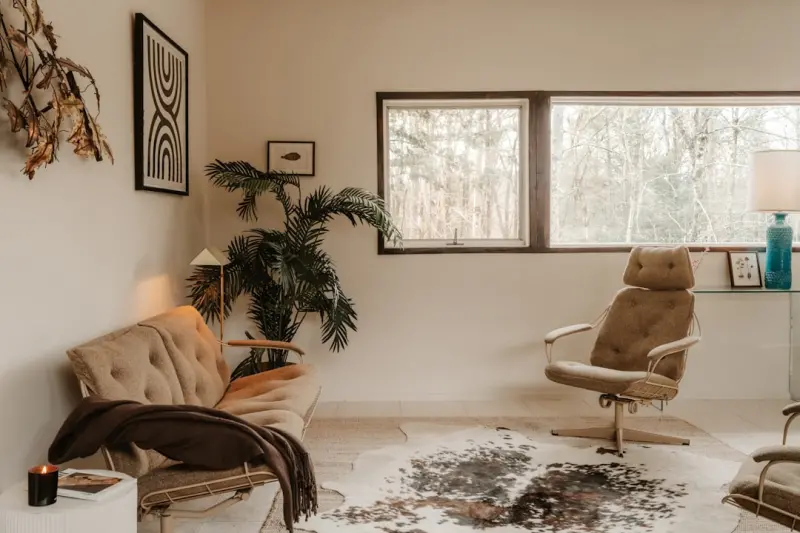
Why a Seasonal Reset Beats a Full‑Scale Renovation
Every time the leaves start to turn, I feel a familiar tug in my chest—a gentle reminder that it’s time to give my home a little “spring cleaning” of the soul, even if it’s actually autumn. I’m not talking about the typical dust‑busting marathon that leaves you exhausted and your countertops still covered in stray crumbs. I’m talking about a seasonal reset that aligns your living space with the rhythm of nature, your personal energy, and the subtle cues your home sends you each month.
The Psychology of Seasonal Shifts
Our bodies are hardwired to respond to the changing light, temperature, and even scent of each season. Research shows that exposure to cooler, softer lighting in the fall can naturally lower cortisol levels, while brighter, cooler tones in summer boost serotonin. By intentionally tweaking the ambience of our rooms, we can ride these natural waves instead of fighting against them.
When I first started paying attention to these cues, I noticed a surprising pattern: my productivity spiked in the mornings when my kitchen was bathed in the soft amber of a sunrise lamp, and my evenings felt more restorative when my bedroom was wrapped in muted, earthy tones. It wasn’t magic; it was a simple alignment of environment and biology.
Step 1: Audit Your Sensory Landscape
Before you move a single piece of furniture, take a few minutes each day for a sensory walk through your home. Close the door behind you, and notice:
- Light: Is the natural light harsh or diffused? Does any room feel dim even during the day?
- Sound: Are there constant hums (refrigerator, HVAC) that bleed into quiet spaces?
- Scent: Do you smell lingering cooking oils, mustiness, or a faint floral note from a nearby garden?
- Temperature: Are some rooms consistently colder or hotter than the rest?
Jot down your observations. This inventory becomes the blueprint for your seasonal reset, ensuring you address the most impactful sensory elements first.
Step 2: Light It Right
Lighting is the most powerful lever you have. In the colder months, opt for warmer LED bulbs (around 2700‑3000K). Pair them with sheer curtains that diffuse natural light without blocking it. In spring and summer, switch to cooler bulbs (4000‑5000K) and consider sheer white shades that let daylight flood in.
For those who love a bit of tech, you might think “why not automate this?” Just as edge computing brings processing closer to the user for faster response, smart lighting hubs bring the light adjustments closer to your daily routine—automatically dimming when you start your evening wind‑down or brightening as you prepare for a morning workout.
Step 3: Curate Your Color Palette
Seasonal colors are more than décor trends; they’re mood enhancers. Here’s a quick guide:
- Fall: Deep oranges, muted olives, and soft grays evoke grounding and comfort.
- Winter: Cool blues and crisp whites promote clarity and calm.
- Spring: Fresh greens and pastel yellows spark renewal and optimism.
- Summer: Vibrant corals and teal inspire energy and playfulness.
Instead of repainting entire rooms, start small: swap out pillow covers, throw blankets, or even kitchen towels. These micro‑updates are budget‑friendly and give you the visual shift you need without the mess of a full repaint.
Step 4: Soundscapes for Serenity
Unwanted background noise can sabotage even the most thoughtfully designed space. A simple solution is to introduce soft sound absorbers—think plush rugs, wall hangings, or acoustic panels that double as art. I love placing a low‑profile woven wall tapestry in my home office; it softens the echo and adds a textural focal point.
If you enjoy ambient sound, consider a multi‑purpose home hack that doubles as a speaker: a decorative wooden box with built‑in Bluetooth speakers. It fills the room with gentle nature sounds while serving as a stylish storage solution.
Step 5: Scent as a Seasonal Anchor
Our sense of smell is directly linked to memory and emotion. Use this to your advantage:
- Fall: Simmer a pot of apple cider with cinnamon sticks; the aroma drifts through the house and instantly feels cozy.
- Winter: Light a pine‑scented candle or use an essential oil diffuser with eucalyptus to promote freshness.
- Spring: Freshly cut herbs like basil or mint create a garden‑like vibe.
- Summer: Citrus bursts—lemon or orange zest—keep the air lively and bright.
Pro tip: Rotate your scented candles every month, and store them in a dark cabinet when not in use to preserve their potency.
Step 6: Temperature Zones for Comfort
Instead of battling a single thermostat for the entire house, create temperature zones. Use portable heaters in the evenings for rooms where you unwind, and a small fan or window vent in the afternoons for spaces that get too warm. By tailoring temperature to activity, you save energy and create a more comfortable environment.
Step 7: Declutter With Intent
Decluttering is often framed as a massive purge, but the seasonal reset approach is more surgical. Pick one category per month—books, kitchen gadgets, or seasonal décor—and ask yourself three questions:
- Do I use this regularly?
- Does it bring me joy or serve a functional purpose?
- Is it season‑appropriate?
If the answer is “no” to any, consider donating, repurposing, or storing it elsewhere. This method prevents the overwhelm that comes from tackling an entire house in one go.
Step 8: Bring Nature Inside
Plants are the unsung heroes of a seasonal reset. They improve air quality, add color, and provide a calming visual anchor. Choose plants that thrive in the specific conditions of each season:
- Fall/Winter: Pothos, ZZ plant, or snake plant—low light tolerance.
- Spring/Summer: Herbs like rosemary and thyme, or flowering plants like African violets.
Even a simple succulent on the windowsill can make a difference. Rotate your plant collection as the seasons shift to keep them thriving and your décor fresh.
Step 9: Re‑Purpose Existing Items
Before buying new furniture, think about how your existing pieces could serve a fresh purpose. That sturdy wooden crate you use for laundry? Turn it into a bedside storage unit with a decorative basket on top. That old ladder you’ve been storing in the garage? Lean it against the wall as a rustic bookshelf.
These multi‑purpose home hacks not only reduce waste but also infuse your space with personal history.
Step 10: Celebrate the Reset
After you’ve completed the reset, don’t let the momentum fizzle out. Mark the occasion with a small ritual—perhaps a cozy tea ceremony in your newly lit living room or a family movie night under the soft glow of your updated lighting. Acknowledge the effort you’ve put in and let the space’s new energy soak in.
Putting It All Together: A Sample Seasonal Reset Timeline
To make the process less intimidating, here’s a week‑by‑week roadmap you can follow:
- Week 1 – Sensory Audit & Light Planning: Walk through each room, note sensory observations, and purchase appropriate bulbs.
- Week 2 – Color & Scent Refresh: Swap textiles, add seasonal candles, and experiment with aromatherapy.
- Week 3 – Sound & Temperature Zones: Install soft sound absorbers, set up portable heaters/fans, and test smart plugs.
- Week 4 – Declutter & Re‑Purpose: Choose one category to declutter, repurpose a piece of furniture, and add a new plant.
- Week 5 – Celebration: Host a low‑key gathering, document the changes with photos, and reflect on the impact.
Feel free to stretch or compress this timeline based on your schedule. The goal is progress, not perfection.
Final Thoughts: Your Home as a Living, Breathing Partner
When you treat your home as a dynamic partner rather than a static backdrop, you unlock a wellspring of comfort, productivity, and joy. The seasonal reset is less about a checklist and more about cultivating an ongoing dialogue with your living space. By aligning light, color, sound, scent, and temperature with the natural cadence of the year, you create a sanctuary that supports you—no matter what the calendar says.
So the next time you hear the wind start to rustle the leaves or notice the first frost on the windowpane, pause. Take a breath, and ask yourself: “What does my home need right now to feel in sync with this moment?” Then take one small step. The ripple effect will be felt throughout every room, and you’ll find yourself living not just in a house, but in a home that truly feels like you.

Karen Edwards is a seasoned freelance writer with a passion for all things furry, feathered, and scaled. With a dedicated focus on pets, she brings a wealth of knowledge and a keen eye for detail to her writing.
Related Posts

Hidden Gems: Transforming Everyday Spaces with Clever Home Hacks
Unlock practical, budget‑friendly tricks to revamp your home: smart storage, multipurpose furnitur... Read More

Crafting a Calm, Productive Sanctuary at Home
Discover practical steps to turn any house into a calm, productive sanctuary—zone planning, layere... Read More

Seasonal Swaps: Smart Home Refreshes You Can Do on a Budget
A guide to affordable, seasonal home updates that cover lighting, textiles, décor, and functional t... Read More
Top Posts

Revitalize Your Home with Low‑Impact Upgrades That Pay Off
Explore practical, low‑budget home improvements—from sealing drafts and swapping bulbs to adding air‑purifying plants and smart organization—that enhanc...Read More

Carbon‑Aware SaaS: Building Sustainable Cloud Services from the Ground Up
A deep dive into carbon‑aware SaaS, exploring architectural patterns, measurement dashboards, and cultural shifts that turn sustainability into a competitive ...Read More

Semantic Topic Clusters: A Fresh Playbook for B2B SaaS SEO
Learn why shifting from isolated keywords to semantic topic clusters is the new SEO strategy for B2B SaaS, with step‑by‑step guidance, ABM integration tips,...Read More

Unlocking Organic Growth: Transform Your SaaS Help Center into an SEO Engine
Discover a step‑by‑step strategy to turn your SaaS knowledge base into a traffic‑driving engine, leveraging intent clusters, schema markup, AI‑assisted ...Read More
0 Comments
Post Comment
You will need to Login or Register to comment on this post!