

Why Emotional Intelligence Needs an AI Boost
In a world that constantly nudges us toward faster replies and bigger data sets, the ability to truly understand how others feel often takes a back seat. Emotional intelligence—the skill of recognizing, interpreting, and managing emotions—has become a competitive advantage in both personal and professional arenas. Yet, most of us lack a reliable feedback loop; we guess, we assume, and we sometimes misread the room. This is where AI steps in, not as a replacement for human intuition, but as a subtle amplifier that catches the nuances our senses may miss. By processing voice pitch, facial micro‑expressions, and linguistic subtleties in real time, AI can surface emotional signals that would otherwise stay hidden. The result is a more calibrated response, whether you’re negotiating a deal, supporting a friend, or simply navigating a stressful commute. As we increasingly rely on digital interactions, the partnership between human empathy and machine precision offers a pathway to richer, more authentic connections.
What Is Sentiment‑Aware AI?
Sentiment‑aware AI, sometimes called affective computing, blends natural language processing, computer vision, and acoustic analysis to infer emotional states from raw data. Unlike traditional analytics that focus on “what” was said, this technology asks “how” it was said, layering tone, cadence, and facial tension onto the textual content. The algorithms are trained on massive, diverse datasets that map specific vocal frequencies or facial muscle movements to universal emotions like joy, frustration, or surprise. By converting these patterns into quantifiable scores, the system can generate a real‑time emotional map of a conversation or interaction. Importantly, the models are designed to respect cultural variability, adjusting for regional expression norms so that a smile in one culture isn’t misread as sarcasm in another. This depth of understanding turns ordinary data streams into a living pulse, allowing users to respond with a level of sensitivity previously reserved for face‑to‑face encounters.
The Algorithms Listening to Our Tones
At the heart of sentiment‑aware AI are two technical pillars: acoustic feature extraction and multimodal fusion. Acoustic feature extraction isolates elements like pitch, intensity, and speech rate, turning them into a numerical fingerprint that correlates with emotional arousal. Meanwhile, multimodal fusion stitches together visual cues—eye movement, eyebrow raise, cheek tension—with linguistic data, creating a holistic portrait of affect. Deep learning architectures, especially recurrent neural networks and transformer models, excel at recognizing temporal patterns across these inputs, discerning not just isolated spikes but sustained emotional trends. The output is often a confidence score for each primary emotion, which can be visualized on dashboards or fed into downstream applications. For instance, a customer service platform might flag calls where frustration spikes above a threshold, prompting a supervisor to intervene. This level of granularity empowers individuals and organizations to act on emotional data before misunderstandings solidify into conflict.
Tools That Turn Data Into Feeling Maps
Today’s marketplace offers a suite of ready‑to‑use tools that embed sentiment analysis into everyday workflows. Voice assistants now include tone detection modules that can adjust their responses if they sense user irritation. Video conferencing platforms integrate facial expression APIs, providing presenters with live heat maps that highlight audience engagement. Even email clients are experimenting with tone‑checking plugins that alert you when a draft reads as overly harsh. For the solo professional, mobile apps can analyze daily journal entries, scoring each entry for emotional valence and suggesting mindfulness exercises when negativity trends upward. On the team level, collaboration suites are adding sentiment dashboards that aggregate chat sentiment, offering managers a pulse on morale without invasive surveys. By translating raw signals into intuitive visualizations, these tools democratize emotional insight, turning abstract feelings into actionable data points.
Integrating AI‑Driven EQ Into Daily Life
Adopting sentiment‑aware AI doesn’t require a complete tech overhaul; it can start with micro‑habits that blend seamlessly into existing routines. Begin by enabling tone‑analysis features in your preferred communication apps; many platforms now offer a one‑click activation that highlights potential misinterpretations before you hit send. Pair this with periodic reflections using an AI‑enhanced journaling app that tags entries with emotional scores, helping you identify patterns over weeks. For those who thrive on visual feedback, set up a personal dashboard that pulls sentiment data from emails, messages, and voice calls, presenting a weekly “empathy index.” When you notice a dip, consider a short breathing exercise or a brief check‑in with a colleague. To deepen the practice, explore the insights from AI as Your Quiet Coach, which illustrates how subtle prompts can nudge you toward better emotional habits. Likewise, the ideas in When AI Becomes Your Creative Sidekick demonstrate how collaborative loops with machines can spark fresh perspectives, a principle that applies equally to emotional awareness.
From Solo Projects to Team Dynamics
When sentiment analysis scales from the individual to the collective, the impact multiplies. In remote teams, where visual cues are scarce, AI can surface hidden frustration or disengagement, allowing leaders to intervene before burnout sets in. Project management tools that flag declining morale in chat channels give managers a data‑backed reason to schedule pulse surveys or one‑on‑one check‑ins. Moreover, AI‑generated empathy reports can inform performance reviews, shifting the focus from purely quantitative metrics to a balanced view that includes emotional contributions. For sales and support units, real‑time sentiment alerts enable agents to adjust their tone on the fly, turning a potentially negative interaction into a loyalty‑building moment. By embedding emotional intelligence into the fabric of teamwork, organizations foster cultures where empathy is not an abstract ideal but a measurable, continuously optimized capability.
Guardrails: When Machines Misread Our Mood
Despite impressive advances, sentiment‑aware AI is not infallible. Algorithms can misinterpret sarcasm, cultural idioms, or neurodivergent communication styles, leading to false positives or missed signals. Over‑reliance on machine‑generated emotion scores may also erode personal responsibility, prompting users to defer to the “AI verdict” instead of trusting their own instincts. To mitigate these risks, it’s essential to embed human oversight into every workflow. Establish clear protocols for reviewing flagged interactions, and provide channels for users to contest AI assessments. Transparency is another key safeguard: disclose when and how emotional data is being captured, and give individuals control over opt‑in settings. Ethical frameworks should also address data privacy, ensuring that raw audio or video feeds are anonymized and stored securely. By treating AI as an augmenting partner rather than an unquestioned authority, we preserve the authenticity of human empathy while harnessing the precision of technology.
The Horizon: Empathy at Scale
Looking ahead, the convergence of sentiment analysis with generative AI promises a new era of proactive empathy. Imagine virtual assistants that not only recognize frustration but automatically suggest calming playlists, schedule a break, or draft a compassionate response on your behalf. In education, AI tutors could adjust lesson pacing based on student affect, fostering a more supportive learning environment. Healthcare providers might receive real‑time emotional dashboards of patients during telehealth visits, enabling more nuanced bedside manners. As these capabilities mature, the line between emotional awareness and emotional assistance will blur, offering societies tools to cultivate compassion at unprecedented scale. Yet the core principle remains unchanged: technology should amplify, not replace, the human capacity to feel and connect.
Takeaway: Partnering With Machines for a More Connected Self
The journey toward AI‑enhanced emotional intelligence is less about swapping out intuition for code and more about building a collaborative feedback loop. By embracing sentiment‑aware tools, we gain a mirror that reflects our emotional landscape with clarity, allowing us to fine‑tune our responses, deepen relationships, and navigate complex social terrains with confidence. The key is to start small, integrate thoughtfully, and maintain vigilant oversight to ensure that the technology serves as a trustworthy ally. As we learn to read the subtle cues that machines surface, we also rekindle our own sensitivity, creating a virtuous cycle where human empathy and artificial insight reinforce each other. In this partnership, we discover that the most powerful form of intelligence is not just smart—it’s emotionally intelligent.

In the world of freelance writing, where creativity and adaptability are paramount, Michelle Fisher stands out as a dedicated and versatile professional. With a passion for crafting compelling narratives and a keen eye for detail, Michelle has established herself as a trusted voice.
Related Posts
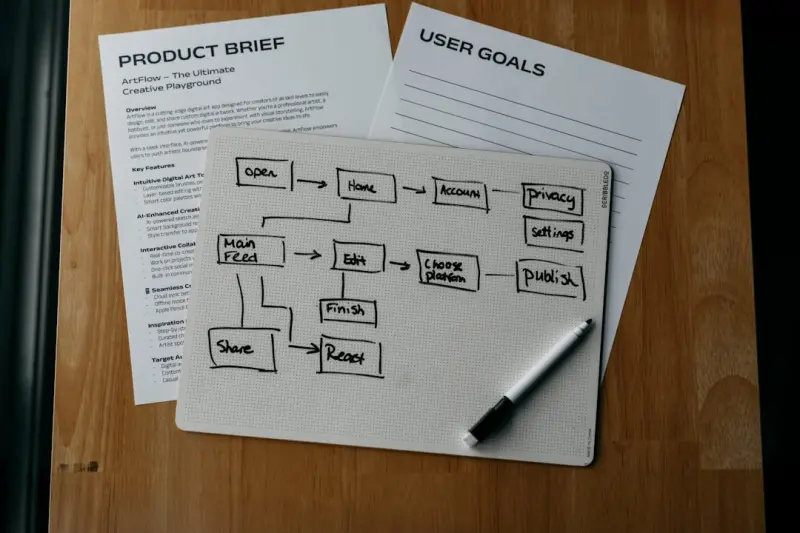
How AI is Redefining B2B SaaS Product Discovery and Market Fit
AI is shifting product discovery from intuition to data‑driven clarity, enabling SaaS teams to pri... Read More

AI as a Co‑Creator: Redefining Product Ideation with Generative Models
Explore the fresh role of AI as a creative partner, accelerating product ideas with generative model... Read More
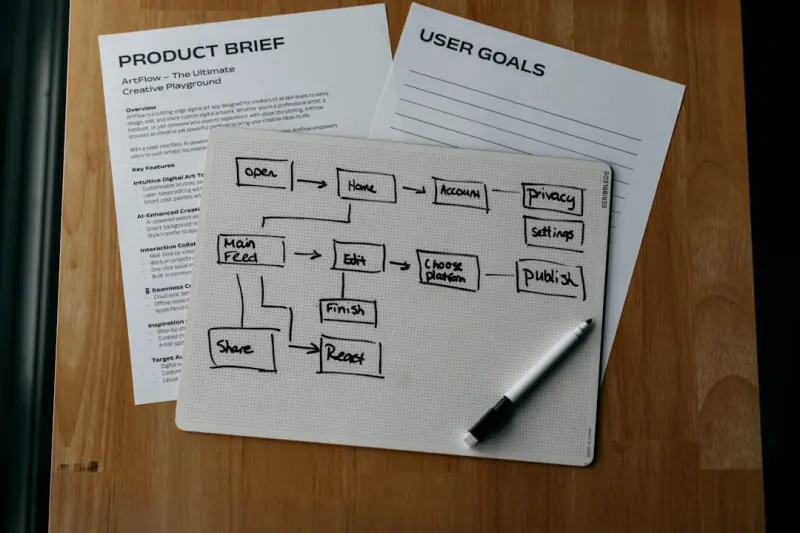
How AI Is Turning Product Discovery Into Predictive Science
AI is reshaping product discovery by converting raw usage data into actionable feature ideas. Learn ... Read More
Top Posts

Turning Loyalty Into Play: Gamified Marketing Strategies That Win
Learn why turning loyalty into a game boosts customer commitment, the core mechanics that work, and future trends like AR and NFTs....Read More

The Silent Surge: Audio‑First Marketing for SaaS Growth
A deep dive into why SaaS companies should embrace audio‑first marketing, from podcasts to voice‑activated ads, with practical steps to integrate sound into...Read More

Tiny Movement Bursts: The Unsung Hero of Remote‑Work Health
Micro‑movement bursts—short, intentional stretches or walks—are a powerful, low‑effort way to combat sedentary fatigue, improve cognitive performance, a...Read More

Why Conversational Marketing is the Secret Sauce for SaaS Growth
Conversational marketing shifts SaaS outreach from broadcast to real‑time dialogue, using AI‑assisted chat, multi‑channel integration, and robust metrics ...Read More
0 Comments
Post Comment
You will need to Login or Register to comment on this post!