
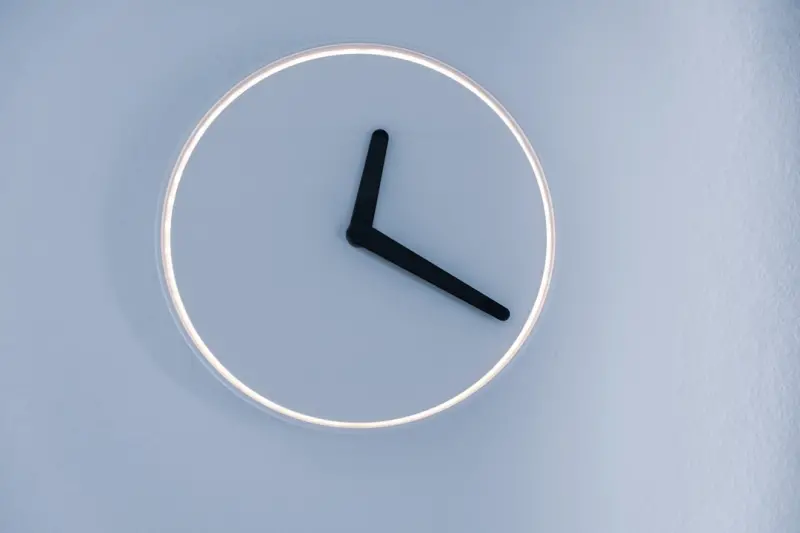
Reprogramming Your Body Clock: How Hybrid Workforces Can Master Their Circadian Rhythm
When the office turned into a living‑room and the commute became a walk to the kitchen, most of us discovered a hidden side effect: our internal clocks went on a surprise vacation. The result? Mid‑day slumps, late‑night email marathons, and a lingering sense that something’s “off” even when the to‑do list looks immaculate. I’m Paul Flynn, and after years of watching SaaS teams chase the next growth hack, I realized the most powerful lever we’ve been ignoring is the rhythm that governs every cell in our bodies.
In this post I’ll break down why the circadian rhythm matters more than ever for remote‑first teams, share three science‑backed tactics you can implement today, and explore how emerging tech—yes, even Edge AI and synthetic data—is giving us a granular view of our own biology. The goal isn’t to turn your workspace into a sterile lab; it’s to give you a practical playbook that lets you feel as energized at 10 am as you do at 2 pm.
Why the Clock Ticks Faster When the Office Disappears
The circadian rhythm is a 24‑hour internal timer regulated primarily by light exposure, meal timing, and social cues. In a traditional office, the routine is fairly predictable: sunrise, commute, morning meetings, lunch break, afternoon slump, and a clear end‑of‑day signal. This structure reinforces the release of hormones like cortisol (the “wake‑up” hormone) and melatonin (the “sleep” hormone) at the right moments.
Remote work shatters that scaffolding. You might start your day with a coffee at 9 am, answer a client call at 11, take a “lunch” at 2 pm, and then sprint through a project deadline at midnight. The irregular light exposure—often from screens rather than natural daylight—confuses the suprachiasmatic nucleus (the brain’s master clock). Over weeks, this misalignment leads to:
- Reduced cognitive performance: Decision‑making accuracy drops by up to 15 % when your circadian rhythm is out of sync.
- Hormonal imbalances: Elevated evening cortisol can keep you wired, while insufficient melatonin sabotages sleep quality.
- Metabolic drift: Irregular eating windows are linked to insulin resistance and weight gain, even if you’re not “eating more.”
In a SaaS environment where high‑velocity thinking is the norm, these effects compound quickly. Teams that can align their work patterns with their biology will notice sharper focus, fewer burnout signals, and a higher baseline of creativity.
Three Tactical Shifts to Sync Your Schedule
Below are three actionable changes you can make, whether you’re a solo founder or leading a 200‑person product team. The key is consistency—small, repeatable habits beat grand gestures that fade after a week.
1. Anchor Your Day with Light
Natural light is the most potent zeitgeber (time‑giver) for the circadian system. Aim to get at least 30 minutes of bright, preferably blue‑rich light within the first hour of waking. If you live in a cloudy climate or work late into the night, a light therapy box set to 10,000 lux can substitute.
Practical steps:
- Place your desk near a window and keep blinds open during morning hours.
- Schedule a “sunrise break”—a quick walk outside before your first meeting.
- Use smart lighting that shifts from cool to warm tones as the day progresses, mimicking natural daylight.
Research shows that aligning light exposure with your wake‑time can shift the release of cortisol by up to 90 minutes, effectively moving your “peak performance window” earlier in the day.
2. Consolidate Your Eating Window
Time‑restricted eating (TRE) doesn’t mean you have to skip meals; it means you confine your calorie intake to a consistent 8‑12‑hour window each day. For most remote workers, a 10 am–6 pm window works well, allowing a solid 8‑hour fasting period that encourages melatonin production after dinner.
Benefits include:
- Improved insulin sensitivity and lower afternoon glucose spikes.
- Enhanced autophagy—a cellular cleanup process that supports brain health.
- Reduced “late‑night snacking” driven by stress rather than hunger.
To make TRE stick, automate meal reminders in your calendar, and consider using a nutrition‑tracking app that nudges you when you’re edging toward the eating window’s end.
3. Leverage Technology for Personalized Rhythm Insights
Here’s where the SaaS mindset truly shines. Modern wearables collect heart‑rate variability (HRV), skin temperature, and movement data 24/7. By feeding that data into an Edge AI model—yes, the same kind of distributed intelligence discussed in Edge AI and Synthetic Data—you can receive real‑time recommendations like “delay that meeting by 30 minutes for optimal alertness” or “take a brief blue‑light break now to reset your circadian phase.”
Two practical implementations:
- Team‑wide dashboards: Aggregate anonymized rhythm metrics (e.g., average wake‑time, sleep efficiency) to identify patterns across departments. Use this insight to schedule high‑cognitive‑load tasks when the majority are naturally at their peak.
- Personalized alerts: Integrate with calendar apps so that a notification appears when it’s time to dim lights, start a wind‑down routine, or step outside for daylight.
When AI respects privacy—leveraging Zero‑Party Data principles and never inferring without explicit consent—you get a win‑win: better health outcomes and higher productivity without compromising employee trust.
Building a “Rhythm‑Ready” Culture
Individual tweaks matter, but the real multiplier is cultural adoption. Here are three leadership practices to embed circadian awareness into your organization’s DNA:
- Flexible “core hours”: Instead of a rigid 9‑to‑5, define a 4‑hour window (e.g., 10 am‑2 pm) where all team members are expected to be available. Outside that, let people work when they feel most alert.
- Education sessions: Host quarterly webinars with sleep scientists or chronobiologists. Knowledge demystifies the why behind the changes.
- Recognition of “rhythm champions”: Celebrate employees who model healthy habits—like consistent sunrise walks or mindful screen‑off times. Peer validation reinforces adoption.
When the team sees that the organization values well‑being beyond generic “fitness challenges,” the behavioral shift becomes sustainable.
Measuring Success: What Metrics Should You Track?
Just as we track churn, MRR, and CAC in SaaS, you can monitor health‑related KPIs to gauge the impact of your rhythm initiatives:
| Metric | Why It Matters | How to Capture |
|---|---|---|
| Average Sleep Duration | Correlates with cognitive performance and error rates. | Wearable data or self‑reported sleep logs. |
| Peak Productivity Window | Identifies when team members are most creative. | Project management tool timestamps (e.g., story points completed). |
| HRV (Heart‑Rate Variability) | Physiological stress indicator. | Wearable sensors aggregated weekly. |
| Screen‑off Hours | Proxy for digital detox compliance. | Device usage analytics (with consent). |
Set baseline values, then revisit quarterly. A modest 10 % improvement in average sleep duration often translates into a 5‑7 % boost in sprint velocity—a tangible ROI you can showcase at leadership meetings.
Future Outlook: The Rise of “Chrono‑SaaS”
Imagine a platform that not only hosts your CRM or analytics but also acts as a personal chronobiology advisor. Companies are already prototyping “chrono‑SaaS” solutions that fuse calendar data, environmental sensors, and AI‑driven rhythm modeling. As these tools mature, they’ll become as indispensable as your project‑tracking dashboard.
For early adopters, the competitive edge is clear: healthier teams deliver faster, think more creatively, and stay longer. The next wave of SaaS differentiation may not be about a new API or pricing tier—it could be about how well a platform helps you align work with the biology that powers every decision you make.
Take the First Step Today
Start small. Tomorrow morning, open your blinds, step outside for a brisk 10‑minute walk, and set a reminder to turn off all screens by 9 pm. Track your sleep with a wearable, and notice any shift in your focus during the day. Then, share your observations with your manager and propose a pilot “Rhythm‑Ready” sprint for your team.
In the hybrid era, the most valuable infrastructure you can build isn’t a new server cluster—it’s a body clock that runs on purpose, not on panic. Align your internal rhythm, and watch both your health and your product’s velocity climb in harmony.

Paul Flynn is a versatile freelance writer equipped with a diverse skillset and a portfolio that reflects his wide-ranging interests and expertise. From crafting compelling website copy and engaging blog posts to delivering in-depth articles and meticulously researched reports, Flynn demonstrates a remarkable ability to adapt his writing style to suit various audiences and purposes.
Related Posts

Sensory Cooking: A Mindful Path to Stress Relief and Wellbeing
Explore the transformative power of sensory cooking—using sight, smell, taste, touch, and sound—... Read More

Why Biofeedback Wearables Are the Next Frontier in Workplace Health
Biofeedback wearables turn physiological data into actionable insights, helping companies create a d... Read More

Why Your Spine Deserves a SaaS‑Style Upgrade
Discover how treating your posture like a mission‑critical SaaS service can turn chronic back pain... Read More
Top Posts
From Funnels to Flywheels: A Purpose‑Driven B2B Playbook
The post explains why the classic marketing funnel is losing relevance for B2B companies and introduces a purpose‑driven flywheel model that turns every custo...Read More
Purpose‑Driven ABM: Turning B2B SaaS Customers into Strategic Partners
Purpose‑driven account‑based marketing shifts the focus from transactions to shared missions, creating strategic partnerships that drive higher lifetime val...Read More
Neurotechnology’s Quiet Revolution: How Brain‑Computer Interfaces Are Changing Everyday Life
Neurotechnology is stepping out of science fiction, turning thoughts into actions and reshaping how we interact with everyday devices. Discover the opportunitie...Read More

30-Day Home Reset: A Fresh Start for Every Room
A 30‑day home reset offers a step‑by‑step plan to declutter, reorganize, and build lasting habits, turning each room into a supportive space while boostin...Read More
0 Comments
Post Comment
You will need to Login or Register to comment on this post!