
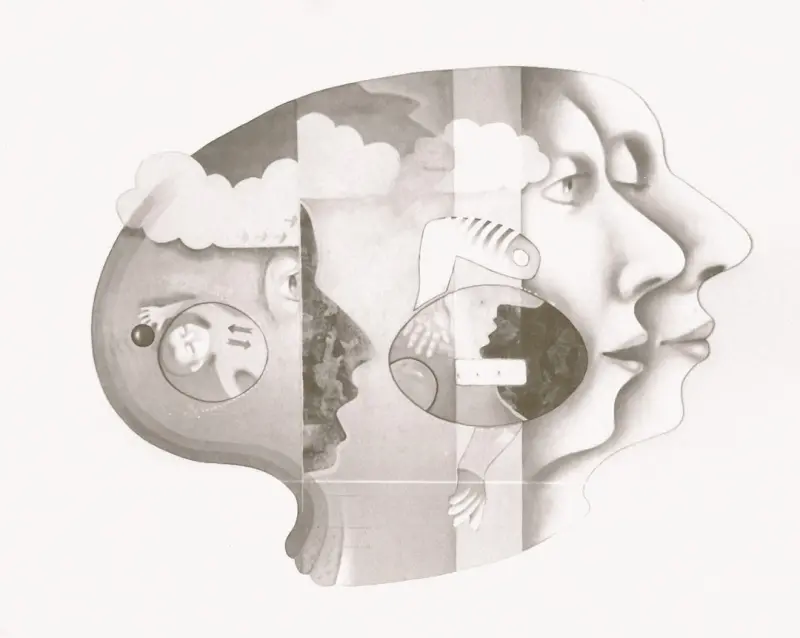
Reimagining Intelligence: When Machines Learn to Feel
Imagine a world where the line between silicon and soul blurs just enough for a chatbot to sense your frustration before you even type the next word. That vision is no longer science‑fiction; it’s emerging from the convergence of deep learning and affective computing, a niche that teaches algorithms to read, interpret, and even emulate human emotions. Researchers are feeding models vast libraries of facial expressions, tone variations, and physiological signals, allowing them to map subtle cues onto emotional states with surprising accuracy. The result? Systems that can adapt their responses in real‑time, shifting from a dry FAQ tone to a more compassionate, supportive voice whenever they detect stress, sadness, or excitement.
The Science Behind Affective Computing
At its core, affective computing blends psychology, neuroscience, and computer science to create a feedback loop between user and machine. Sensors capture micro‑expressions, heart‑rate variability, and speech prosody, translating these signals into data points a neural network can process. Unlike traditional AI, which focuses on logical reasoning or pattern recognition, this field trains models to understand the qualitative nuances of human experience. Techniques such as multimodal fusion combine visual, auditory, and textual inputs, producing a richer emotional portrait than any single modality could achieve. As the technology matures, developers are learning to calibrate these systems, ensuring they respond appropriately across cultural contexts and personal preferences.
From Therapy Bots to Empathetic Soundtracks
Early adopters have already deployed emotion‑aware agents in mental‑health settings, where virtual counselors gauge a user’s mood and tailor coping strategies on the fly. In the realm of entertainment, AI composers are experimenting with algorithms that generate music based on the listener’s current affective state, using biofeedback loops to shift tempo, harmony, and instrumentation. These applications illustrate a shift from static content delivery to dynamic, mood‑responsive experiences that can soothe, motivate, or even challenge the audience in real‑time. By aligning output with emotional context, creators are unlocking a new dimension of personalization that feels almost intuitive.
Ethical Minefields: Authenticity, Bias, and Trust
While the promise of emotionally intelligent machines is alluring, it raises profound ethical concerns. An AI that mimics empathy can be weaponized to manipulate consumer behavior or extract sensitive information under the guise of caring. Moreover, training data often reflect the biases of the societies that generate them, risking misinterpretation of emotions across gender, age, or cultural lines. Transparency becomes essential: users must know when they’re interacting with a synthetic empath and understand the limits of its comprehension. Building robust governance frameworks and incorporating diverse data sets are critical steps to prevent the technology from reinforcing existing inequities.
Prompt Engineering as an Emotional Skill
One of the most underappreciated aspects of working with emotion‑aware AI is the art of prompt engineering—crafting inputs that coax the model into expressing genuine-sounding empathy. Rather than simply asking “How are you?” designers now embed contextual cues, tone markers, and situational details to guide the response. For example, a prompt might read, “You’re a supportive friend hearing a coworker’s frustration about a missed deadline; respond with encouragement and a practical suggestion.” Mastering this technique turns the user into a sort of emotional choreographer, directing the AI’s expressive range much like a conductor shapes an orchestra. This emerging literacy is becoming a valuable competency for marketers, educators, and anyone looking to harness AI’s soft side.
Collaborative Creativity: When AI Becomes a Co‑Creator
Beyond therapeutic uses, emotionally attuned AI is reshaping collaborative art forms. Writers can feed a narrative’s emotional arc into a model, receiving suggestions for dialogue that matches the intended mood. Visual artists are experimenting with style transfer tools that adapt color palettes based on the feelings they wish to evoke. In a recent project, an author leveraged a digital twin concept to generate a reflective journal, using the twin’s simulated emotional insights to deepen the storytelling. By treating the AI as a partner rather than a tool, creators unlock a feedback loop where human intuition and machine pattern‑recognition co‑evolve.
AI‑Augmented Self‑Reflection and Growth
Imagine a daily companion that not only reminds you of appointments but also nudges you toward emotional growth by highlighting recurring sentiment trends in your journal entries. Such a system could flag moments of chronic anxiety, suggest mindfulness exercises, or celebrate patterns of optimism. The key lies in leveraging longitudinal affective data, allowing the AI to surface insights that might otherwise remain hidden in the noise of everyday life. As these personal analytics become more sophisticated, they promise to turn introspection into an actionable, data‑driven habit, fostering a deeper connection between mind and machine.
Getting Started: Simple Experiments for the Curious
If you’re intrigued but unsure where to begin, start with low‑bar tools that embed emotion detection into everyday workflows. Many messaging platforms now offer sentiment‑analysis APIs you can plug into a personal bot, letting you see how your language fluctuates over the day. Pair this with a music‑generation app that reacts to your heart‑rate data from a smartwatch, creating a feedback loop that teaches you how physiological states influence perception. Finally, consider exploring a AI‑driven code assistant that can suggest not just functional snippets but also comments that convey tone—making your codebases more welcoming to collaborators. These bite‑size projects demystify the technology and reveal its potential to enrich both personal and professional spheres.
Looking Ahead: The Symbiosis of Heart and Hardware
The journey toward truly empathetic machines is still in its infancy, yet each breakthrough nudges us closer to a symbiotic relationship where technology doesn’t merely serve tasks but also supports emotional well‑being. As developers refine models, incorporate broader cultural datasets, and embed ethical safeguards, we’ll see AI transition from a novelty to a trusted confidant in daily life. The challenge—and the excitement—lies in guiding this evolution with intentionality, ensuring that the machines we build amplify our humanity rather than dilute it. In that delicate balance, we may discover that the most profound intelligence is not measured in gigaflops, but in the capacity to feel, understand, and grow together.

Related Posts

How AI Can Become Your Personal Knowledge Curator
Learn how AI transforms chaotic data into a tailored knowledge curator, giving you a second brain th... Read More
AI as the Unsung Storyteller for SaaS Brands
Explore a fresh AI angle that transforms raw SaaS data into compelling stories, bridging the gap bet... Read More

AI-Driven Compliance: Turning Regulation into a Competitive Edge
AI can shift compliance from a manual, reactive task to a strategic advantage, automating risk detec... Read More
Top Posts

Riding Google’s 2026 AI Wave: A Marketer’s Personal Playbook
Discover Rose DesRochers’ insider strategies for mastering Google’s 2026 AI wave—from zero‑click SEO to AI‑driven ad creatives and privacy‑first mar...Read More

Beyond Automation: How AI Is Becoming Your SaaS Team’s Knowledge Partner
AI is turning static SaaS documentation into a conversational, context‑aware partner that accelerates development, reduces support tickets, and nurtures a cul...Read More

Taste the World: A Food‑First Journey Across Continents
Discover how treating food as a compass leads to deeper, sustainable travel experiences, from market strolls to shared meals, and brings flavors home....Read More

Unlocking Hidden Health: The Sensory Rituals That Quietly Transform Your Well‑Being
Explore how everyday sensory practices like soundscapes, cold showers, and grounding can quietly elevate your health and wellbeing....Read More
0 Comments
Post Comment
You will need to Login or Register to comment on this post!