
Why the Knowledge Graph Is the SEO Game‑Changer
When I first noticed Google’s search results turning into mini‑infoboxes rather than plain blue links, I realized we were witnessing a paradigm shift that goes far beyond keyword matching. The Knowledge Graph is Google’s way of turning the web’s chaotic data into a network of interconnected entities, allowing the search engine to answer questions directly and to surface brand‑centric facts without the user ever clicking through. For marketers, this means that visibility is no longer measured solely by traffic spikes but by the degree to which a brand becomes a trusted node in Google’s semantic web, a development that can dramatically boost brand authority and long‑term relevance.
Mapping Your Brand as an Entity
Before you can influence the Knowledge Graph, you must first define your brand as a distinct entity that Google can recognize and differentiate from competitors. This starts with a consistent name, address, and contact details across every online touchpoint, from your website’s footer to your Google Business Profile and social media bios. Leveraging structured data to declare your official name, logo, and core services helps Google’s crawlers stitch together a reliable identity, while canonical URLs and hreflang tags ensure the right version of your content reaches the appropriate audience. Think of this as laying the foundation for a skyscraper: without a solid base, no amount of interior design will keep the building from collapsing under the weight of search algorithms.
Schema Markup: The Bridge to the Graph
Structured data is the language that tells Google how to interpret the facts on your pages, and JSON‑LD has become the preferred format for feeding the Knowledge Graph because it separates markup from visual content while remaining human‑readable. Implementing schema types such as Organization, Person, Product, and the newer FAQPage or HowTo signals to Google that your content is not just prose but a repository of discrete, answerable facts. It’s essential to validate your markup with the Rich Results Test and monitor for errors in Search Console, because even a tiny syntax mistake can prevent Google from extracting the data you painstakingly curated. When done correctly, schema acts as a bridge, translating your brand narrative into the graph’s universal schema and dramatically increasing the chances of appearing in Knowledge Panels, carousel snippets, and other rich formats.
Content That Speaks the Graph’s Language
Beyond markup, the substance of your pages must align with the way the Knowledge Graph consumes information: concise, factual, and contextually relevant. Crafting dedicated “About Us” pages that answer the classic 5 Ws—who, what, when, where, why—provides a clear data set for Google to extract, while supplementing with FAQ sections addresses the long‑tail queries users often type. Publishing regularly updated press releases, case studies, and thought‑leadership articles gives the graph fresh signals that your brand is active and authoritative, especially when those pieces are linked back to core entity pages with clear anchor text. Moreover, embedding high‑quality images and video with appropriate ImageObject or VideoObject schema can surface your media in the emerging visual search results, creating multiple pathways for users to discover your brand without ever leaving the SERP.
Leveraging Google’s Multimodal Search for Richer Entities
Google’s push toward multimodal search—where users can query with a blend of text, voice, image, and even video—means that the Knowledge Graph must now understand a broader spectrum of content types. By optimizing your visual assets with descriptive alt attributes, detailed captions, and Multimodal Search‑friendly schema, you give the graph the context it needs to associate images and videos with your brand entity. Likewise, ensuring that your spoken content, such as podcasts or webinars, includes transcribed text and structured metadata helps voice assistants retrieve your brand as a reliable answer source. This multimodal alignment not only expands the ways users can discover you but also reinforces the graph’s confidence in your entity’s relevance across diverse query formats.
Measuring Authority Gains with Structured Insights
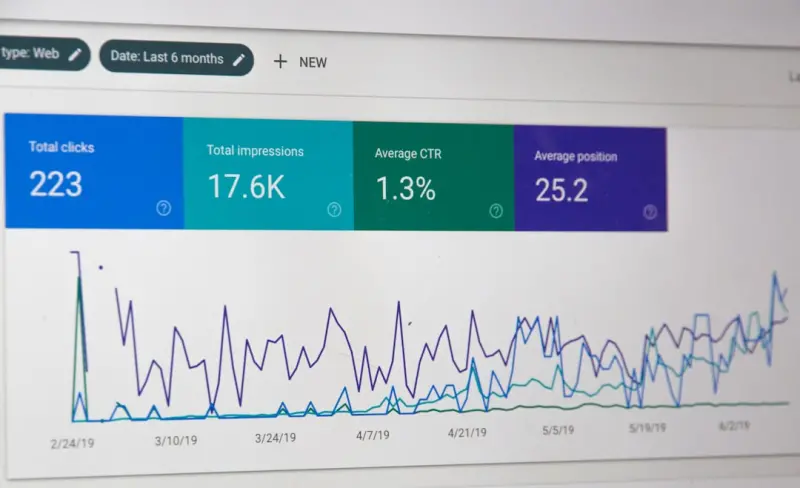
To prove that your Knowledge Graph investments are paying off, you need a measurement framework that goes beyond traditional organic traffic metrics. Google Search Console now offers an “Entity” report that surfaces impressions, clicks, and average position for specific knowledge panels and rich results tied to your brand, allowing you to track the direct impact of schema enhancements. Pair this data with the insights from Search Intent Clustering to understand how different user intents correlate with entity visibility, and you’ll be equipped to fine‑tune your content strategy for maximum authority lift. Regularly auditing your structured data for coverage gaps and monitoring for manual actions ensures that you maintain a clean signal pipeline, which is crucial for sustaining long‑term presence in the graph.
Future‑Proofing: AI, Graph Evolution, and Your Brand
Google’s AI engines, especially the large language models that power Bard and the next generation of Search, are constantly feeding new relationships into the Knowledge Graph, turning it into a living, learning organism that adapts to emerging trends. Anticipating this evolution means staying ahead of schema updates, embracing emerging types like EventSeries or Course, and ensuring that your brand’s narrative remains adaptable to new contexts such as sustainability, inclusivity, or virtual experiences. Additionally, leveraging AI‑generated content responsibly—by fact‑checking and embedding proper attribution—can enrich your entity without compromising credibility. Brands that treat the Knowledge Graph as a dynamic asset, rather than a set‑and‑forget configuration, will find themselves at the forefront of search visibility as Google continues to prioritize trustworthy, entity‑driven answers.
Actionable Checklist for Immediate Impact
- Audit all brand mentions for NAP consistency across the web.
- Implement JSON‑LD
OrganizationandLocalBusinessschema on every site page. - Create a dedicated, well‑structured “About” page that answers the 5 Ws.
- Add
FAQPageandHowTomarkup to address common user questions. - Optimize images and videos with descriptive metadata for multimodal search.
- Monitor the “Entity” report in Search Console and adjust based on performance.
- Stay updated on new schema types and incorporate them as they become relevant.
Final Thoughts: Owning Your Spot in the Knowledge Graph
In the age of AI‑driven search, the most valuable asset you can own is not a keyword ranking but a recognized entity that Google trusts to answer user queries directly. By treating the Knowledge Graph as a strategic platform—through meticulous schema implementation, entity‑focused content, and continuous performance monitoring—you turn your brand into a searchable fact, not just a fleeting hyperlink. The payoff is a durable, authoritative presence that endures algorithm updates and user behavior shifts, ensuring that when people look for solutions, your name stands out as a credible, graph‑powered answer.

Shawn DesRochers is a certified Microsoft technician and Programmer with 30+ year's experience. He has written many reviews on computer related products, software, and SEO related topics. When he's not writing reviews he can be found at one of the Oldest Directories Online Business Directory USA which he is the CEO of.
Related Posts
Google’s AI Wave: Rose DesRochers’ Insider Take on the Latest Revolution
Rose DesRochers unpacks Google’s AI evolution, revealing how marketers can adapt, the shift in key... Read More
Why Google’s AI Evolution Demands a Human‑First Marketing Mindset
Explore why human connection still wins in Google’s AI‑driven world and learn a practical roadma... Read More

Unlocking Google’s Hidden Power: How the Search Giant Is Quietly Shaping B2B SaaS Growth
This article reveals the under‑utilized features of Google—from Knowledge Graph and featured sni... Read More
Top Posts

Decentralized Identity: How Blockchain Is Redefining Online Authentication
Discover how blockchain-powered decentralized identity can transform online authentication, offering users true control, enhanced privacy, and a path toward a m...Read More

Why B2B SaaS Marketers Should Build Micro‑Communities Before Launch
Micro‑communities provide high‑quality, zero‑party data and a trusted platform for co‑creating content, shaping product roadmaps, and accelerating sales...Read More

How Google’s Generative AI is Redefining My Creative Workflow
Explore how Google’s generative AI seamlessly integrates into Workspace, boosting creativity, design, and data storytelling while keeping privacy and human fl...Read More
How Voice-First Search is Redefining SaaS SEO Playbooks
Voice search is reshaping SaaS discovery. This article explores conversational intent, structured data, edge performance, and new metrics to help SaaS brands ca...Read More
0 Comments
Post Comment
You will need to Login or Register to comment on this post!