

Imagine waking up to a quiet nudge that knows exactly where you left off on yesterday’s to‑do list, the kind of reminder that feels less like a push notification and more like a trusted friend whispering, “Hey, remember that idea you had about the garden?” That’s the subtle power of AI slipping into the cracks of our daily rhythm. I’ve spent the last few months experimenting with a handful of AI assistants that don’t scream for attention but instead listen for the soft hum of my habits. The result? A smoother flow of energy, fewer moments of decision paralysis, and a sense that my digital companion is finally speaking my language—not the corporate jargon of generic alerts.
Decision fatigue is a silent thief that robs us of creativity and calm, especially in a world where every choice feels amplified by endless options. By analyzing patterns in the way we scroll, schedule, and even breathe, AI can pre‑emptively streamline the decision‑making cascade. For instance, an AI‑driven calendar can automatically batch similar tasks, freeing up mental bandwidth for the work that truly matters. Strategic nudges arrive at just the right moment, turning a looming choice into a seamless action, and that tiny reduction in cognitive load compounds into noticeable clarity over weeks.
Beyond merely reducing fatigue, AI can become a gentle architect of habit loops. When the system detects that I tend to hit the snooze button three times on weekdays, it doesn’t just issue a stern reminder; it suggests a micro‑adjustment—a softer alarm tone paired with a short meditation cue. Over time, these micro‑adjustments create a feedback loop where the brain begins to associate waking up with calm intent rather than groggy resistance. The key is subtlety: the AI respects autonomy while offering a scaffold that makes the desired behavior feel almost inevitable.
When Algorithms Learn Your Rhythm
One of the most fascinating frontiers is AI’s ability to map our internal circadian rhythms and align tasks accordingly. By syncing with wearable data—heart rate variability, sleep stages, even skin temperature—AI can schedule demanding work during peak alertness windows and reserve low‑energy periods for reflection or light reading. This isn’t the same generic “work‑hard‑play‑hard” advice; it’s a personalized cadence that honors the unique ebb and flow of each individual. When my morning coffee aligns with my natural cortisol surge, I find myself powering through creative writing without the usual mid‑morning slump.
Of course, the promise of such intimacy raises valid concerns about data stewardship. The same sensors that help AI predict optimal work times can also reveal deeply personal health information. It’s crucial to demand transparent data practices and opt‑in models that let us retain control. A privacy‑first marketing mindset offers a blueprint: treat user data as a partnership, not a commodity, and embed consent at every interaction point. When we hold the reins, the technology can serve us without feeling invasive.
Putting theory into practice, I’ve started integrating a few tools that embody this philosophy. My favorite is an AI‑enhanced journal that flags emotional spikes and suggests reflective prompts, a subtle nod to the concept explored in creative sidekick articles but applied to emotional wellbeing rather than artistic output. The journal doesn’t rewrite my thoughts; it simply surfaces recurring themes, helping me notice patterns I’d otherwise miss. Likewise, a smart budgeting app learns my spending rhythm and gently alerts me before a recurring expense nudges me off track, echoing the supportive tone of an personal mentor but focused on financial health.
AI as a Mirror for Emotional Intelligence
Emotionally intelligent AI is emerging as a quiet therapist for the modern soul. By processing the tone of our messages, voice recordings, and even facial micro‑expressions (with explicit permission), these systems can offer real‑time insights into our emotional state. Imagine an AI that notices you’re typing in short, clipped sentences and suggests a brief breathing exercise before you send that email. It’s not about replacing human connection; it’s about providing an extra layer of self‑awareness that can prevent miscommunication and reduce stress.
Community thrives when members feel seen and heard, and AI can amplify that feeling at scale. Platforms are beginning to use sentiment analysis to surface underrepresented voices, ensuring that discussions aren’t dominated by the loudest few. When we let AI act as an impartial moderator, it can highlight nuanced perspectives that might otherwise be drowned out, fostering a richer, more inclusive dialogue. This subtle shift from gatekeeping to facilitation could redefine how online communities evolve, making them more resilient and empathetic.
Ultimately, the goal is to let AI be a mirror that reflects back our own patterns, inviting us to act with intention rather than reaction. By embracing these quiet, data‑driven companions, we can reclaim mental space, nurture healthier habits, and build communities that honor both individuality and collective growth. The future isn’t about AI taking over; it’s about AI learning to listen as well as it learns to predict.

Related Posts

How Generative AI Is Transforming SaaS Customer Success
Generative AI is moving SaaS customer success from reactive firefighting to proactive, data‑driven... Read More
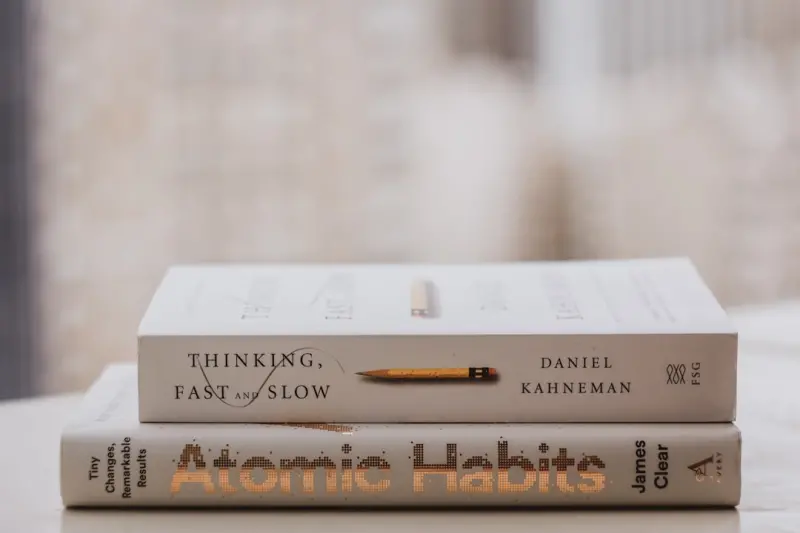
When AI Becomes Your Personal Habit Coach
Learn how an AI habit coach transforms tiny daily actions into lasting habits, offering personalized... Read More

Beyond Automation: How AI Can Amplify Human Empathy in SaaS Teams
Learn why integrating empathy‑centric AI into your SaaS workflow is the next competitive advantage... Read More
Top Posts

Riding the Wave of Google’s Search Generative Experience: A SaaS Playbook
This post explores Google’s Search Generative Experience (SGE) and its impact on SaaS companies, offering concrete strategies for content, structured data, an...Read More
How Visual Search is Reshaping SEO Strategy
Explore the rise of visual search and learn actionable tactics—structured data, user‑generated content, and performance metrics—to elevate your SEO game a...Read More

The Silent Power of Structured Breathing for Remote‑Work Health
Structured breathing is a low‑tech, high‑impact habit that remote professionals can adopt to lower stress, enhance focus, and improve overall health, with p...Read More

Riding the 2024 Google AI Wave: Rose DesRochers’ Insider Playbook for Marketers
Rose DesRochers reveals how to navigate Google’s 2024 AI overhaul, turning algorithm shifts into growth opportunities for savvy marketers....Read More
0 Comments
Post Comment
You will need to Login or Register to comment on this post!