
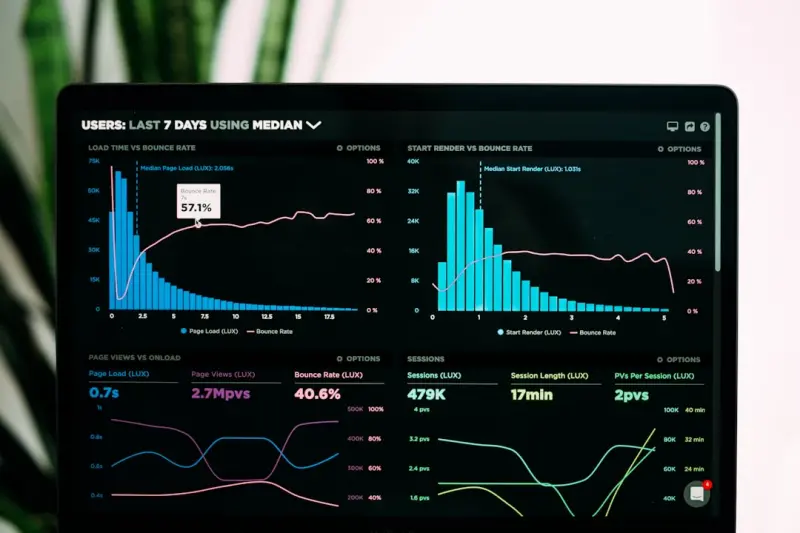
When I first heard the phrase “your gut is your second brain,” I laughed and thought it was just another wellness buzzword. Fast forward a few months of reading scientific journals, swapping fermented foods with friends, and watching my own energy fluctuate after a careless pizza night, and I’m convinced there’s a literal conversation happening inside our bellies. This isn’t a mystical metaphor – it’s a data‑driven reality. The gut microbiome, a bustling metropolis of trillions of bacteria, viruses, fungi, and archaea, is the hidden dashboard that monitors, calibrates, and sometimes screams warnings about the health of the entire organism.
The Microbiome’s Role in the Body’s “Operating System”
Think of your body as a sophisticated computer. The brain is the CPU, the heart is the power supply, and the immune system is the firewall. The microbiome? It’s the background services that keep the system running smoothly – handling updates, clearing caches, and even influencing user experience. Research now shows that gut microbes produce short‑chain fatty acids that feed colon cells, synthesize neurotransmitters like serotonin, and modulate inflammation pathways that affect everything from skin clarity to joint pain.
What’s more, the microbiome is uniquely personalized. Two people can eat the exact same meal, yet the metabolites that emerge from their gut can be wildly different. This is why one colleague might feel energized after a kale salad while another crashes within an hour. The differences lie in the composition of their microbial communities, which are shaped by genetics, early‑life exposures, diet, stress, antibiotics, and even the geography of the soil they stand on.
Why the Health Industry Is Starting to Treat Microbes Like Data Points
In the past decade, health tech has leaned heavily on wearables and app‑based metrics – steps, heart rate variability, sleep stages. But now, a new class of “digital therapeutics” is emerging that aims to measure and modify the microbiome directly. Companies are offering at‑home stool analysis kits, turning raw microbial DNA sequences into actionable insights. The reports break down the abundance of beneficial families like Bifidobacterium and Lactobacillus, flag potential overgrowths, and even suggest specific prebiotic fibers or polyphenol‑rich foods to nurture balance.
It feels a little like when we first adopted AI decision co‑pilot tools in business: the technology started as a novelty, but quickly proved its worth by surfacing patterns humans missed. In the same vein, microbial analytics act as a predictive self‑healing system for the body, flagging dysbiosis before it manifests as a full‑blown condition.
Practical Steps to Tune Your Microbial Dashboard
While you don’t need a PhD in microbiology to improve gut health, you do need a mindset that treats your diet like a codebase – constantly refactoring, testing, and iterating. Below are evidence‑backed actions that can shift the microbial balance in a positive direction:
- Diversify Fiber Sources: Different bacteria thrive on different fibers. Include a rainbow of plant foods – chicory root, Jerusalem artichoke, oats, berries, and leafy greens – to feed a broader spectrum of microbes.
- Embrace Fermented Foods: Sauerkraut, kimchi, kefir, and kombucha introduce live cultures that can colonize the gut temporarily and stimulate native beneficial strains.
- Limit Processed Sugars: High sugar intake fuels opportunistic yeast and pathobionts, leading to inflammation and cravings.
- Mind Antibiotic Use: When antibiotics are necessary, pair them with a post‑course probiotic regimen and consider a prebiotic “re‑seed” plan.
- Prioritize Sleep Hygiene: Circadian rhythms influence microbial rhythms. Consistent sleep patterns help maintain a stable microbiome.
- Manage Stress: Chronic cortisol spikes can alter gut permeability, allowing endotoxins to leak and trigger systemic inflammation.
These steps are simple, but they work best when you view them through the lens of a feedback loop. Track how you feel after meals, monitor bowel regularity, and, if possible, use a testing service to see real‑time changes in microbial composition. The data will guide you toward the foods and habits that truly make a difference for you.
Microbiome and Mental Health: The Gut‑Brain Axis
One of the most fascinating discoveries of the last few years is the gut‑brain axis – a bidirectional communication highway involving neural, hormonal, and immune pathways. Certain gut bacteria produce gamma‑aminobutyric acid (GABA) and tryptophan, precursors to serotonin, directly influencing mood and anxiety levels. A dysbiotic gut has been linked to depression, ADHD, and even neurodegenerative diseases.
If you’ve ever felt “butterflies” before a big presentation, you’ve experienced a micro‑version of this axis. The vagus nerve transmits signals from the enteric nervous system to the brain, translating microbial metabolites into emotional states. By nurturing a diverse microbiome, you’re essentially providing the brain with a more balanced neurotransmitter supply, which can lead to steadier mood and sharper focus.
Personalization: The Future Is Not One‑Size‑Fits‑All
We’re moving away from generic “eat more fiber” advice toward hyper‑personalized nutrition plans powered by AI and microbiome sequencing. Imagine an app that cross‑references your stool analysis, genetic data, activity levels, and even local soil microbiome profiles to suggest a daily menu that optimizes your unique microbial ecosystem. Companies are already piloting such platforms, promising to turn the gut into a personalized health hub rather than a passive organ.
This vision aligns with the broader trend of treating health data as a continuous stream rather than a static snapshot. Just as SaaS products now rely on composable architectures for rapid iteration, health tech will adopt modular, interoperable components that let users swap in new sensors, algorithms, and interventions without overhauling the entire system.
Potential Pitfalls and Ethical Considerations
With great data comes great responsibility. The rise of at‑home microbiome testing raises privacy concerns: who owns your microbial DNA, and how might insurers or employers use that information? Moreover, the market is flooded with “microbiome‑friendly” supplements that lack rigorous clinical validation. Consumers must remain skeptical, seeking products backed by peer‑reviewed research and transparent ingredient sourcing.
Another challenge is the “one‑size‑fits‑all” marketing trap. Not every probiotic works for everyone, and over‑reliance on supplements can distract from the core lifestyle pillars – diet, sleep, stress management. The most effective approach remains a holistic one, where microbial insights are a tool, not a replacement for foundational health habits.
Putting It All Together: A Day in the Life of a Microbiome‑Aware Professional
Here’s a snapshot of how you might integrate microbiome consciousness into a typical workday:
- Morning: Start with a warm lemon‑water rinse and a probiotic‑rich kefir smoothie featuring oats, berries, and a dash of chia seeds.
- Mid‑Morning Snack: Handful of mixed nuts and a piece of fermented kimchi wrap – a quick fiber‑prebiotic combo.
- Lunch: A quinoa bowl layered with roasted Brussels sprouts, lentils, and a drizzle of miso‑tahini dressing. The miso introduces additional live cultures.
- Afternoon Break: Take a 10‑minute walk outside to expose yourself to environmental microbes – nature’s own probiotic.
- Evening: Lightly sautéed asparagus with garlic (both prebiotic powerhouses) and a serving of grilled salmon for omega‑3 fatty acids, which support gut barrier integrity.
- Night: Unplug from screens at least an hour before bed, dim the lights, and sip a warm cup of chamomile tea infused with a pinch of ground cinnamon – another gentle prebiotic.
By weaving diverse fibers, fermented foods, and mindful habits into each meal and break, you’re essentially conducting a daily “code review” of your internal ecosystem.
Conclusion: From Passive Organ to Active Partner
The gut microbiome is no longer a mysterious side character; it’s a central player in physical, mental, and metabolic health. As digital health tools become more sophisticated, we’re on the cusp of a paradigm shift where your gut’s data will inform diet, lifestyle, and even medical interventions. Embracing this shift means moving beyond vague “eat healthier” slogans and toward a nuanced, data‑driven partnership with the trillions of organisms that call your body home.
So, the next time you reach for that snack, pause and ask: “What will this feed my inner ecosystem?” The answer could be the difference between a sluggish afternoon and a vibrant, focused day. Your microbiome isn’t just a passive backdrop – it’s the hidden dashboard of health, waiting for you to log in and start optimizing.

Related Posts

The Sleep‑First Strategy: Turning Rest into Real Business Growth
A deep dive into why sleep is the hidden growth lever for remote teams, featuring actionable habits,... Read More

Micro‑Movements: The Hidden Health Boost You’re Overlooking
Unlock the power of micro‑movements—simple, frequent motions that boost metabolism, improve mood... Read More

Micro‑Movements at the Desk: Tiny Actions, Big Health Gains
Learn practical micro‑movement routines, tech tools, and nutrition tips to keep your body and mind... Read More
Top Posts

Riding Google’s AI Wave: A Human‑First Marketer’s Perspective
Explore a human‑first marketer’s take on Google’s AI evolution, practical tactics, and real‑world success stories that keep brands ahead of the algorith...Read More

Low‑Tech Rituals to Reboot Your Home and Boost Everyday Energy
Learn how small, intentional rituals—like a reset corner, digital sunset, and micro‑refresh zones—can turn your home into a supportive sanctuary that fuel...Read More

Edge Computing for SaaS: Why Proximity Is the New Performance Paradigm
Edge computing is emerging as a game‑changer for SaaS, letting companies push logic and data closer to users for faster, more secure experiences. In this post...Read More

AI as the Invisible Architect of Business Agility
AI isn’t just a flashy tool—it’s the invisible architect that connects data silos, augments decision‑making, and aligns cross‑functional teams, enabli...Read More
0 Comments
Post Comment
You will need to Login or Register to comment on this post!