
Why Audio Branding Is the Secret Sauce B2B Marketers Have Been Missing
When most of us think about branding, the first images that pop up are logos, color palettes, and maybe a snappy tagline. Yet there’s a whole sensory dimension that’s been quietly reshaping consumer perception for years—sound. In the fast‑moving world of B2B, where decision‑makers are bombarded with whitepapers, webinars, and endless data points, a well‑crafted audio identity can cut through the noise (pun intended) and embed your brand deep in the brain.
The Science Behind Sound and Memory
Neuroscience tells us that auditory cues are processed in the temporal lobe, an area tightly linked to memory formation. A simple melody or a consistent voice tone can trigger a cascade of dopamine, reinforcing recall. For B2B buyers—who often juggle complex procurement cycles—this means a familiar sound can become a trusted signal that your solution is reliable, even before they open a PDF.
Think about the last time you heard a phone’s ringtone and instantly recognized it as your boss’s call. That instantaneous recognition is exactly what you want for your brand. When a prospect hears your podcast intro, the hum of your product demo video, or a custom sound on your onboarding platform, the brain registers it as a cue for “this is me, I belong.”
From Podcast to Product: Mapping Audio Touchpoints
Audio doesn’t have to be limited to a podcast series (although that’s a great start). Below is a quick audit of the places you can embed sound, turning each interaction into a branding moment:
- On‑hold music and IVR prompts – The moment a prospect calls your sales line, your brand’s sonic identity begins to play.
- Video content – Intro jingles, background scores, and voice‑over styles should all echo the same tonal palette.
- Webinars and virtual events – A consistent opening theme sets the stage and makes the experience feel polished.
- Product interfaces – Micro‑sounds for notifications, success chimes, or error alerts can reinforce brand personality.
- Internal communications – Even your employee onboarding portal can carry a subtle audio signature, aligning culture with brand.
Crafting a Cohesive Audio Identity
Just as you wouldn’t slap a random font onto a brochure, you shouldn’t throw together a soundscape without strategy. Here’s a step‑by‑step framework:
- Define your brand’s emotional core. Are you a trusted advisor, an innovative disruptor, or a steady anchor? Your audio must echo this sentiment.
- Choose a sonic palette. This includes tempo, instrument choices, and timbre. A fintech firm might favor crisp, digital tones, while a sustainability SaaS could lean on organic, acoustic textures.
- Develop a voice style guide. Whether you use a professional narrator or an in‑house engineer’s voice, set rules for pacing, pitch, and energy.
- Test for accessibility. Ensure that sound levels are appropriate, provide subtitles for video, and consider users who may be in sound‑restricted environments.
- Iterate with data. Track engagement metrics—drop‑off rates on video, click‑through from podcast episodes, or even sentiment analysis from social listening. Adjust the audio mix accordingly.
Audio Meets Data: Turning Chaos into Clarity
One of the biggest challenges in B2B marketing is making sense of the deluge of performance data. By embedding audio cues that guide users through dashboards, you can simplify complex information pathways. For example, a subtle chime when a KPI hits a threshold draws immediate attention without a visual overload.
When you pair these auditory signals with an intelligent backend, you create a feedback loop that turns chaos into strategic clarity. The result? Decision‑makers get real‑time, intuitive prompts that accelerate the sales cycle.
Case Study: A Mid‑Market SaaS Company’s Audio Overhaul
Let’s walk through a real‑world example. Acme Insights, a B2B analytics platform, faced a plateau in product adoption. Their onboarding flow was text‑heavy, and users reported “information fatigue.” The marketing team decided to inject an audio layer:
- Welcome tone: A brief, uplifting chord played as soon as a new user logged in.
- Task completion chimes: Each time a user completed a setup step, a satisfying “ding” confirmed progress.
- Data alert sounds: When a report generated a high‑impact insight, a soft bell signaled the moment, prompting the user to review.
Within three months, Acme saw a 27% increase in onboarding completion rates and a 15% boost in feature usage. The audio cues not only made the experience feel more “human,” they also reduced the cognitive load, allowing users to focus on value rather than navigation.
Scaling Audio Across the Enterprise
For larger organizations, rolling out a consistent audio brand can feel daunting. However, the rise of modular product design makes it easier than ever to embed sound as a reusable component. By treating audio assets as micro‑services, you can:
- Deploy updates centrally without touching each individual application.
- Maintain version control, ensuring the same sound version is used across web, mobile, and desktop.
- Scale quickly into new markets by swapping language‑specific voice‑overs while preserving the core sonic identity.
Measuring the ROI of Audio Branding
Sound may feel intangible, but its impact is quantifiable. Here are the key metrics to watch:
| Metric | Why It Matters |
|---|---|
| Audio‑triggered engagement | Clicks or actions taken after a sound cue (e.g., after a chime, a user opens a report). |
| Recall tests | Survey participants on brand name recall after hearing the audio cue versus a control group. |
| Time‑to‑value | Reduction in time taken for a new user to reach a “first success” milestone. |
| Support ticket volume | Decrease indicates that audio cues helped users navigate more intuitively. |
By aligning audio initiatives with these metrics, you can build a compelling business case for continued investment.
Best Practices and Common Pitfalls
Do:
- Keep sounds short (2–4 seconds) to avoid annoyance.
- Maintain consistency across all touchpoints.
- Provide an option to mute or adjust volume—respect user preferences.
- Test with real users, especially those in noisy environments.
Don’t:
- Overload the experience with too many cues; less is more.
- Use generic stock audio; authenticity matters.
- Ignore accessibility standards—always include transcripts and visual equivalents.
Future Trends: AI‑Generated Soundscapes and Adaptive Audio
The next frontier lies in AI‑driven sound personalization. Imagine a dashboard that adapts its auditory feedback based on a user’s stress level, detected via webcam or wearable data. Or a podcast that dynamically adjusts its background music to match the emotional tone of the discussion.
As generative AI models become more proficient at producing royalty‑free music and voice‑overs, the barrier to entry for high‑quality audio branding drops dramatically. Marketers can experiment with dozens of variations, A/B test them, and converge on the most effective sonic signature—all without a massive production budget.
Getting Started: Your First 90‑Day Audio Playbook
- Audit existing audio assets. List every sound currently used across the brand.
- Identify gaps. Where could a sound improve the user journey?
- Hire a sound designer. Even a single session can produce a brand‑defining motif.
- Launch a pilot. Choose one high‑traffic touchpoint (e.g., onboarding) and implement a simple chime.
- Collect data. Use the metrics above to measure impact.
- Iterate and expand. Refine the sound, then roll it out to other channels.
By following this roadmap, you’ll move from “audio is nice‑to‑have” to “audio is a core growth engine.”
Conclusion: Let Your Brand Speak—Literally
In a world where visual overload is the norm, sound offers a refreshing, underutilized channel to differentiate your B2B brand. From boosting memory recall to guiding users through complex data, audio branding can transform how prospects experience—and ultimately choose—your solution. Embrace the hum, the chime, the voice that tells your story, and watch your brand resonate in ways that static images never could.

Sanji Patel has dedicated 25 years to the SEO industry. As an expert SEO consultant for news publishers, he emphasizes providing both technical and editorial SEO services to news publishers worldwide. He frequently speaks at conferences and events globally and offers annual guest lectures at local universities.
Related Posts
Beyond the Funnel: Harnessing First‑Party Data for Trust‑Centric B2B Marketing
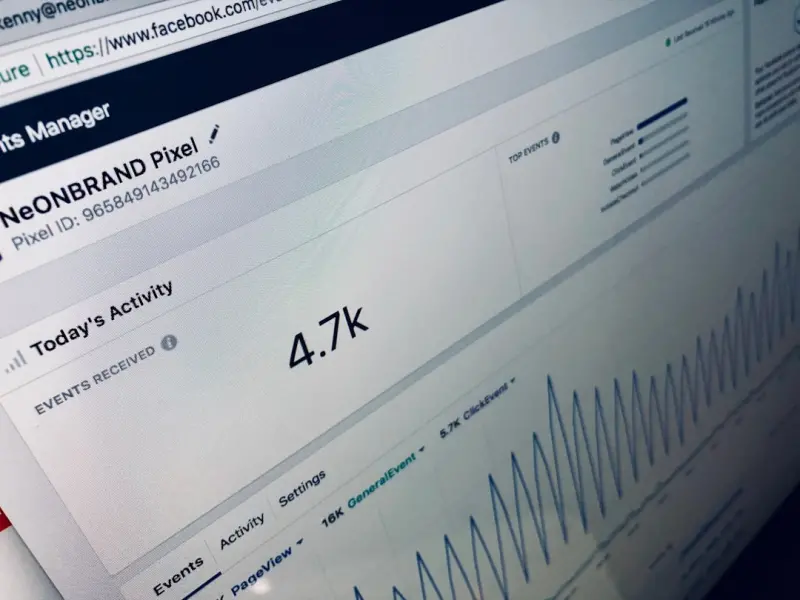
In a post‑cookie era, first‑party data becomes the cornerstone of B2B marketing. Discover a prac... Read More

Live Dialogue: Turning Real‑Time Streams Into Your Brand’s Biggest Asset
Learn why live streams are the new trust‑builder in marketing and how to craft authentic, interact... Read More
Gamify Your Funnel: Turning Leads into Loyal Players
Rose DesRochers reveals how turning the traditional sales funnel into a game‑like experience can e... Read More
Top Posts

Wander with a Sketchbook: Turning Trips into Living Art
Explore the art of traveling with a sketchbook—choose your medium, find hidden inspiration, and turn every journey into a visual story that lasts beyond the t...Read More

The Hidden Remote Hubs Redefining Modern Travel
Explore how small, under‑the‑radar towns are becoming the new hotspots for digital nomads, offering reliable internet, vibrant coworking scenes, and authent...Read More

Transform Your Living Space into a Remote‑Work Oasis
A step‑by‑step guide to redesigning your home for remote work, covering zone mapping, lighting, sound, ergonomics, decluttering, and community building with...Read More
Micro‑Moment Mastery: The Secret Sauce for Modern SaaS Marketing
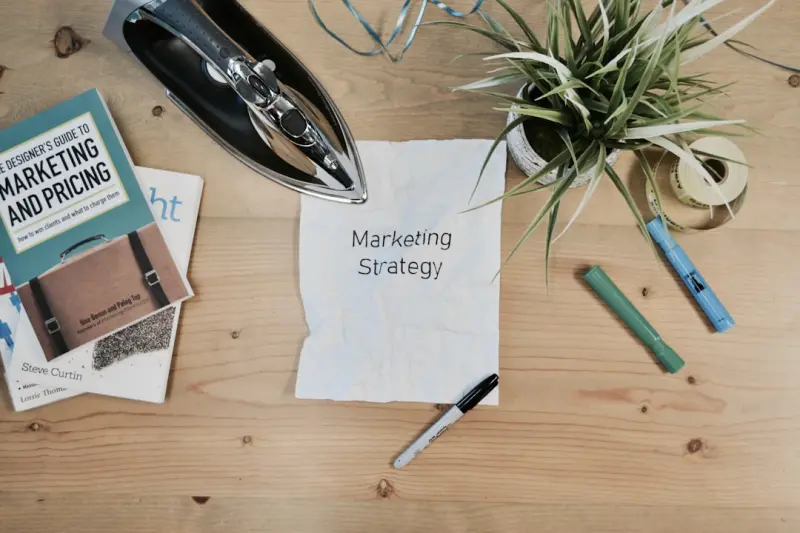
Learn to turn fleeting buyer decisions into high‑impact conversions with a playbook that blends zero‑party data, human‑centric ABM, conversational AI, and...Read More
0 Comments
Post Comment
You will need to Login or Register to comment on this post!