
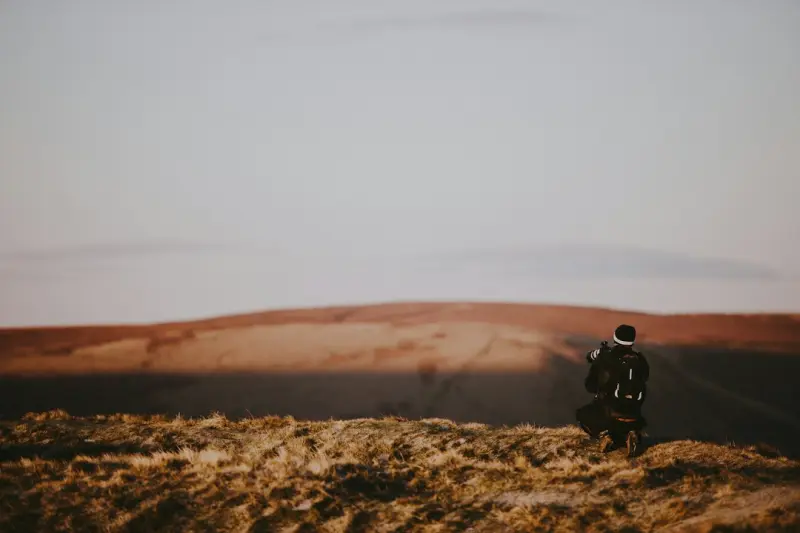
Why Deliberate Wandering Beats the Checklist‑Driven Trip
When I first swapped my office chair for a rickety bus seat on the coast of Gujarat, I expected to fill my itinerary with “must‑see” landmarks, snap a few Instagram‑ready photos, and race back to my inbox. What I discovered instead was a far richer experience that can’t be measured in miles or attractions checked off a list. Deliberate wandering is the practice of letting the road dictate the rhythm, the people dictate the stories, and the unexpected moments dictate the lessons. It’s an approach that turns every stretch of highway, every local market, and every quiet evening under a lantern into a living classroom.
Embracing the Unknown Over the Expected
Traditional travel guides are built on the premise of certainty: “Visit the Taj Mahal at sunrise,” “Take a camel ride in the Thar Desert,” “Don’t miss the street food at this particular stall.” While these recommendations have their merit, they also create a tunnel vision where the journey becomes a series of checkpoints rather than a fluid experience. By contrast, deliberate wandering asks you to let go of the pre‑planned route and trust that the most memorable moments happen when you’re willing to veer off the map.
Imagine stepping off a train in a small town you hadn’t heard of, following the scent of fresh spices into a narrow lane, and ending the day sharing stories with an elderly baker who taught you how to knead dough the way his ancestors did. Those moments don’t happen when you’re glued to a schedule; they happen when you’re open to the serendipity that the world offers.
How to Start Practicing Deliberate Wandering
- Pack Light, Pack Flexible. Instead of loading your suitcase with “must‑have” gadgets, bring versatile items that can adapt to different environments—a portable charger, a reusable water bottle, a notebook, and a pair of comfortable shoes.
- Swap the Guidebook for a Local. Ask a resident for a favorite spot rather than relying on the top‑rated tourist attraction. Their recommendation often leads you to hidden courtyards, family‑run cafés, or a quiet riverbank where you can reflect.
- Set One Intent, Not an Itinerary. Choose a single theme for the trip—maybe it’s “learning regional cooking techniques” or “discovering ancient storytelling traditions.” Let that intention guide your choices without dictating every hour.
- Embrace Slow Transportation. Take local buses, shared taxis, or even a bicycle. The slower pace forces you to observe, ask questions, and interact with fellow travelers and locals alike.
- Document, Don’t Curate. Instead of meticulously editing photos for a flawless feed, jot down observations in a journal or record short audio clips of conversations. You’ll capture the raw texture of the experience.
The Unexpected Benefits for Professionals
Many professionals view travel as a break from work, a chance to recharge. While that’s valid, deliberate wandering offers a deeper, more integrative benefit: it becomes a source of continuous learning that directly feeds back into one’s career. For example, navigating unfamiliar public transit systems sharpens problem‑solving skills, while negotiating prices in a bustling bazaar hones communication and cultural empathy.
In fact, research shows that exposure to diverse environments can boost creative thinking by up to 30 %. The mental flexibility required to adapt to new customs and languages translates into a heightened ability to approach business challenges from fresh angles. So the next time you’re tempted to schedule a quick “getaway,” consider a trip that deliberately blurs the line between leisure and professional development.
Real‑World Stories of Deliberate Wandering
During a recent journey through the hills of Himachal Pradesh, I decided to follow a river rather than a road. The river led me to a remote village where a group of artisans were crafting traditional shawls using hand‑spun wool. I spent an afternoon learning their weaving techniques, discovering the cultural stories embedded in each pattern. That afternoon’s experience sparked a new product idea for my SaaS team—an interface that visualizes data trends as woven patterns, making analytics more intuitive for creative professionals.
Another time, while traveling across the plains of Rajasthan, I joined a local farmer’s market after following a line of fresh mangoes. The conversations I had about sustainable farming practices opened my eyes to the importance of sustainable packing hacks that minimize waste while on the road. Implementing those hacks not only reduced my carbon footprint but also saved money—a win‑win for any traveler.
Integrating Technology Without Distracting from the Journey
Technology can be a double‑edged sword on the road. On one hand, navigation apps, language translators, and travel forums can make logistics smoother. On the other, constant notifications can pull you away from the sensory richness of the moment. The key is to use tech as a tool rather than a crutch. Set specific times for checking messages, download offline maps, and keep your phone on “Do Not Disturb” during periods of immersion.
If you’re curious about how technology can enhance—not dominate—the travel experience, you might explore the concept of blending work and travel in a way that respects both productivity and presence. The goal isn’t to turn every trip into a remote‑work sprint but to find moments where digital tools support deeper connections with the places you visit.
Building a Community of Deliberate Wanderers
One of the most rewarding aspects of this approach is the community it cultivates. Travelers who prioritize open‑ended exploration often find themselves part of informal networks—online forums, social media groups, or local meet‑ups—where experiences are shared, tips are exchanged, and collaborations spark. These connections can lead to unexpected partnerships, whether it’s co‑authoring a travel guide, organizing a pop‑up cultural event, or even brainstorming a new feature for a product.
Consider creating a simple newsletter that highlights a “Lesson of the Week” from your travels. Invite readers to contribute their own stories and insights. Over time, you’ll build a repository of collective wisdom that not only enriches future trips but also serves as a resource for anyone seeking to infuse their professional life with the curiosity and adaptability cultivated on the road.
Practical Tips for Your First Deliberate Wandering Trip
- Choose a Destination with Diverse Micro‑Cultures. Regions where language, cuisine, and customs shift noticeably within short distances—like the Mediterranean coast or the Indian subcontinent—provide fertile ground for spontaneous discovery.
- Leave One Day Unplanned. Reserve at least one full day with no reservations or scheduled activities. Use this time to follow a street musician’s tune, explore a local park, or simply sit at a café and watch the world go by.
- Carry a “Question Card.” Write a few open‑ended questions (e.g., “What’s a tradition you cherish?”) on a small card. When you meet locals, use the card as an icebreaker to invite deeper conversation.
- Practice “Micro‑Reflection.” At the end of each day, spend five minutes writing down three things you learned, one moment that surprised you, and a question that emerged. Over the course of the trip, these reflections reveal patterns and insights you might otherwise miss.
- Stay Flexible with Accommodations. Opt for guesthouses, homestays, or co‑living spaces that encourage interaction with hosts and other travelers, rather than isolated hotels.
Conclusion: Let the Journey Teach You
Deliberate wandering isn’t a trend; it’s a mindset shift that transforms travel from a series of photo ops into a continuous, immersive education. By relinquishing rigid itineraries, embracing local guidance, and using technology sparingly, you allow each destination to shape you in subtle yet profound ways. The skills you acquire—adaptability, cultural empathy, creative problem‑solving—don’t just enrich your personal life; they become assets you carry back to the office, the startup, or any professional arena you inhabit.
So the next time you book a flight, consider packing a notebook instead of a checklist, and let the road become your teacher. The world is full of untold stories; all you need to do is wander deliberately enough to hear them.

Sanji Patel has dedicated 25 years to the SEO industry. As an expert SEO consultant for news publishers, he emphasizes providing both technical and editorial SEO services to news publishers worldwide. He frequently speaks at conferences and events globally and offers annual guest lectures at local universities.
Related Posts
Taste the World: A Food‑First Journey Across Continents
Discover how treating food as a compass leads to deeper, sustainable travel experiences, from market... Read More

Beyond the Bucket List: Crafting AI‑Powered Journeys That Feel Like Home
Explore a new travel paradigm where AI, sustainability, and human intuition combine to create hyperâ... Read More
Bite‑Sized Adventures: Redefining Travel Through Hyperlocal Discovery
Travel is shifting from massive itineraries to bite‑sized adventures that focus on hyperlocal disc... Read More
Top Posts

Riding Google’s 2026 AI Wave: Strategies That Actually Work
A seasoned marketer reveals how to navigate Google’s 2026 AI wave, offering practical SEO, paid search, and privacy‑focused strategies that drive real resul...Read More

Micro‑Community Marketing: How Tiny Tribes Fuel Big Growth
Explore the power of micro‑communities in digital marketing—learn why they matter, winning tactics for engagement, and how to measure success while scaling ...Read More
Resetting the Brain on the Move: How Travel Reboots Creativity and Decision‑Making
Travel isn’t just a break; it’s a powerful brain‑reset. Learn how changing scenery, sensory immersion, and purposeful disorientation sharpen decision‑ma...Read More

Unlocking the Hidden Power of AI‑Driven Knowledge Hubs
An AI‑enhanced knowledge hub transforms static docs into dynamic, context‑aware insights, accelerating support, sales, and product decisions while safeguard...Read More
0 Comments
Post Comment
You will need to Login or Register to comment on this post!