

Why Travel is the Ultimate Creative Catalyst
Whenever I board a plane, step onto a train, or simply wander a new neighborhood, I feel a subtle shift in my brain’s wiring. The ordinary hum of daily life gives way to a soundtrack of unfamiliar sounds, colors, and smells that coax ideas out of the shadows. For me, travel isn’t just a break from routine—it’s a deliberate practice of creative renewal. In this post I’ll walk you through the science behind that spark, share the habits that keep the ideas flowing, and show how you can turn every trip into a portable studio.
The Neurology of Novelty
Our brains are hardwired to seek novelty. When we encounter something new, the hippocampus—responsible for memory formation—lights up, releasing dopamine, the “feel‑good” neurotransmitter. That dopamine surge not only makes the experience memorable, it also boosts divergent thinking, the mental process behind brainstorming and artistic breakthroughs.
Research from the University of California shows that people who travel at least once a year score higher on creativity tests than those who stay home. The key isn’t the destination itself but the cognitive load of processing unfamiliar stimuli. That’s why a short weekend in a nearby town can be just as inspiring as a month‑long trek across continents—if you approach it with curiosity.
Setting Intentions Before You Pack
Travel can feel chaotic, but a few simple pre‑trip rituals can steer that chaos toward creative output:
- Define a creative goal. Instead of “I want to relax,” try “I want to sketch three new street scenes.”
- Curate a sensory checklist. List smells, textures, and sounds you want to notice—fresh rain on cobblestones, the scent of a spice market, the rhythm of a ferry horn.
- Choose tools that travel light. A pocket‑size sketchbook, a versatile fountain pen, or a compact voice recorder can become your on‑the‑go idea capture system.
By framing the trip as a creative experiment, you give your subconscious permission to wander, while your conscious mind stays oriented toward production.
Embedding Creativity Into Everyday Travel Moments
Once you’re on the road, the magic happens in the gaps between itineraries. Here are my go‑to strategies for turning ordinary travel moments into fertile creative soil:
1. The “One‑Minute Observation” Exercise
Every hour, pause for sixty seconds and take in everything around you—people, architecture, ambient noise. Write a single line or draw a quick doodle that captures the mood. Over a day, these micro‑observations accumulate into a rich tapestry of material you can later mine for larger projects.
2. Reverse Itinerary Planning
Instead of planning what you’ll see, decide what you’ll create. If you’re a photographer, research local festivals or markets known for vivid color palettes. If you write, look up local legends or historical anecdotes that can seed a short story. This flips the travel experience from passive consumption to active production.
3. Use Technology as a Sensory Extension
Modern tools can amplify the sensory intake that fuels creativity. For instance, Google Lens lets you point your phone at a mural and instantly learn its history, artist, and cultural context—information that can spark a narrative thread you’d otherwise miss.
4. Capture Soundscapes
Sound is an underused well of inspiration. A portable recorder (or even a smartphone) can capture the bustling chatter of a night market, the rhythmic clack of a train, or the distant call to prayer. Later, you can layer these audio snippets into a podcast, a video montage, or simply replay them while brainstorming.
5. Turn Transit Time into “Idea Sprint” Sessions
Long flights or train rides are perfect for timed creative sprints. Set a timer for 15‑minute bursts where you sketch, write, or brainstorm without editing. The time pressure mirrors the “micro‑moment” concept discussed in many B2B marketing circles, but here it serves your personal creative pipeline.
Case Study: From Airport Layover to Mini‑Exhibit
Last year I found myself with a 10‑hour layover in a city famous for its street art. Instead of waiting at the gate, I grabbed my sketchbook and followed a local guide’s Instagram map. I spent the next three hours wandering alleys, sketching murals, and interviewing the artists. The result? A pop‑up exhibition at a nearby café the next day, featuring my quick sketches paired with the artists’ stories.
If you’re curious about how to design a layover that feels less like a waiting game and more like a curated creative sprint, check out Beyond the Airport. That post dives into turning transit hubs into cultural playgrounds, and it inspired the structure of my own layover experiment.
Balancing Production and Exploration
One of the biggest challenges creatives face on the road is the tension between “doing” and “experiencing.” Over‑producing can turn travel into a series of checklists, while under‑producing risks returning home with nothing tangible.
My solution is a two‑phase workflow:
- Harvest Phase (Daytime). Gather observations, sounds, photos, and quick notes. Focus on quantity, not quality.
- Refine Phase (Evening). Review the day's harvest, select the most resonant pieces, and spend 30 minutes fleshing them out—adding color, expanding a narrative thread, or editing a photo.
This rhythm ensures you stay present during the day while still walking away with polished, shareable work.
Travel Gear That Enhances, Not Hinders, Creativity
When you’re on the move, every ounce counts. Here are three pieces of gear that have become staples in my creative travel kit:
- Compact Moleskine Sketchbook. Its thin paper holds up to ink, watercolor washes, and quick charcoal sketches without bulking your bag.
- Multi‑Purpose Pen. A fountain pen with interchangeable cartridges lets you switch between fine lines for detailed drawings and broader nibs for expressive lettering.
- Portable Audio Recorder (Zoom H1n or similar). Captures high‑fidelity soundscapes, interviews, and ambient noise for later layering into multimedia projects.
Investing in tools that are both reliable and lightweight frees mental bandwidth for the creative work itself, rather than worrying about broken equipment.
Leveraging Community for Creative Growth
Travel rarely happens in a vacuum. Connecting with local creators can amplify the inspiration you draw from a place. Here are three low‑effort ways to tap into regional creative networks:
- Attend Open‑Mic Nights or Art Walks. Even if you’re not performing, listening to local voices gives you a pulse on the cultural zeitgeist.
- Visit Co‑Working or Maker Spaces. Many cities host pop‑up studios where you can drop in, use shared equipment, and meet fellow makers.
- Join Local Social Media Groups. A quick search for “[City] creatives” on platforms like Facebook or Discord often reveals meet‑ups, workshops, or collaborative projects you can join.
These interactions not only provide fresh material but also open doors for future collaborations once you return home.
From Travel Back to the Desk: Translating Inspiration into Impact
When the trip ends, the real test begins: how do you transform that raw, travel‑fueled energy into work that resonates with your audience or clients? Here’s my post‑trip debrief routine:
- Organize Assets. Create a folder hierarchy (Photos / Audio / Sketches / Notes) and tag each file with location, date, and theme.
- Identify Core Themes. Look for recurring motifs—maybe a particular color, a phrase you kept hearing, or a feeling of “transience.”
- Draft a “Story Map”. Plot a narrative arc that weaves together your observations, personal reflections, and any external research you gathered.
- Produce a Flagship Piece. Choose the format that best fits the story—an illustrated article, a short film, a podcast episode, or a series of social‑media posts.
By treating the entire trip as a research and development phase, you can deliver content that feels authentic and deeply resonant.
Travel as a Sustainable Creative Practice
There’s an increasing awareness that travel, especially air travel, carries an environmental cost. As creatives who influence culture, we have an opportunity to model sustainable practices:
- Choose Low‑Impact Transport. Trains, buses, or car‑sharing reduce carbon footprints and often provide richer scenic inspiration.
- Stay in Eco‑Friendly Accommodations. Many boutique hotels now emphasize local sourcing, energy efficiency, and waste reduction.
- Document and Share Sustainable Choices. When you highlight responsible travel in your work, you inspire others to follow suit.
Integrating sustainability into the creative process adds another layer of meaning to your work and aligns your personal brand with values that audiences increasingly demand.
Final Thoughts: Making Every Journey a Chapter in Your Creative Story
Travel is more than a change of scenery; it’s a structured stimulus that can unlock new perspectives, break mental ruts, and fuel a steady stream of original work. By approaching trips with intentionality—setting creative goals, using technology wisely, capturing sensory data, and debriefing thoughtfully—you transform each passport stamp into a paragraph of your personal creative narrative.
If you’re ready to start turning wanderlust into work, remember the three pillars that have guided my own journey: curiosity, capture, and curation. Let curiosity lead you to new places, capture the world’s richness with tools that travel light, and curate those moments into stories that inspire others.
And for those who love the intersection of travel and tech, you might also find value in exploring Remote‑First Travel to see how digital nomadism reshapes the very definition of a “work‑trip.” The future of creative travel is already taking flight—make sure you’re on board.

In the world of freelance writing, where creativity and adaptability are paramount, Michelle Fisher stands out as a dedicated and versatile professional. With a passion for crafting compelling narratives and a keen eye for detail, Michelle has established herself as a trusted voice.
Related Posts

Riding the Rails: Rediscovering the Joy of Train Travel
A heartfelt look at why modern travelers are swapping flights for trains, embracing slower pacing, l... Read More
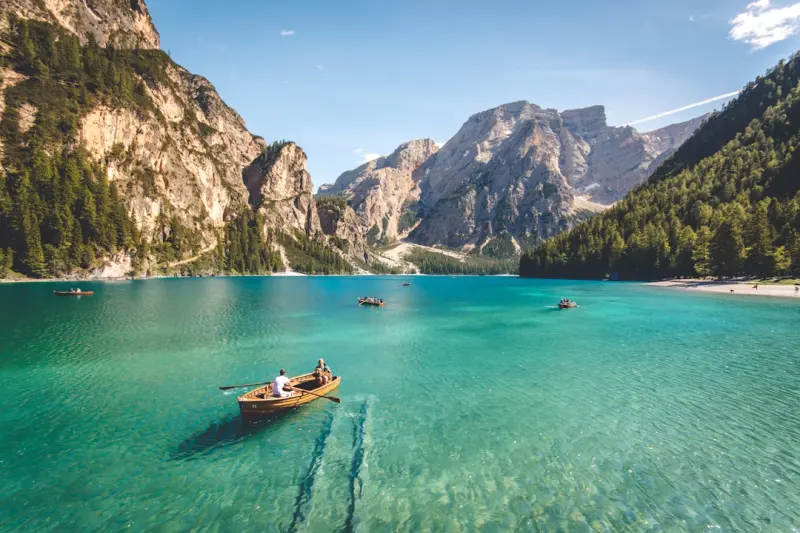
Secret Seaside Villages: How to Find Uncrowded Coastal Gems
Explore quiet seaside villages, learn how to locate them, enjoy authentic food, and travel responsib... Read More
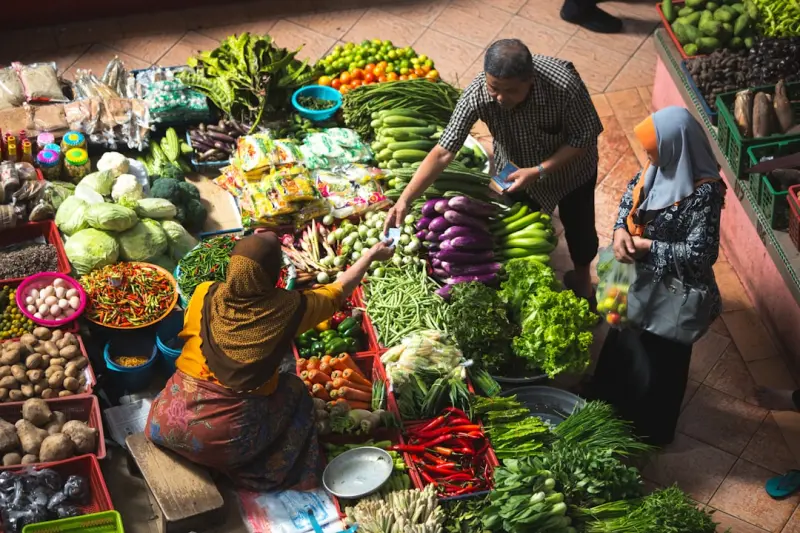
Savoring the Journey: How Food Markets Redefine Travel
Discover why food markets are the ultimate travel experience, blending flavors, culture, and communi... Read More
Top Posts

Beyond Clicks: Rethinking Attribution in Complex B2B Journeys
Traditional last‑click models miss the hidden contributions of each touchpoint in a B2B buyer’s journey. Learn how to unify data, run incremental lift tests...Read More

Ephemeral Marketing: How Brands Win in the Blink of an Eye
Explore the power of short‑lived marketing, from psychology to platforms, tactics, measurement, and future AR‑driven bursts that keep brands top‑of‑mind...Read More

Micro‑Decluttering: 10 Tiny Habits to Instantly Freshen Your Home
Learn how ten quick, daily micro‑decluttering habits can transform your home environment, reduce stress, and improve overall wellbeing without the overwhelm o...Read More

Digital Twins: The Future Blueprint for SaaS
Digital twins let SaaS companies create real‑time, data‑driven simulations of their products, enabling proactive performance tuning, risk‑free feature tes...Read More
0 Comments
Post Comment
You will need to Login or Register to comment on this post!