
Why Visual Search Is Changing the SEO Landscape
When I first noticed shoppers snapping a phone photo of a product and instantly receiving purchase options, I realized that visual search was no longer a niche experiment but a core expectation for modern users. Search engines have responded by indexing billions of images and assigning relevance scores that rival traditional text‑based rankings, meaning that the visual intent behind a query now drives traffic just as powerfully as keywords ever did. This shift forces marketers to think beyond meta tags and focus on how their visual assets communicate brand values, product details, and contextual relevance in a single glance.
The Untapped Power of User‑Generated Video
In my experience, nothing builds trust faster than a real customer holding your product, demonstrating its use, or sharing a genuine reaction, and platforms like TikTok and Instagram Reels have turned that spontaneity into searchable content. When users tag, caption, or describe a video, search engines extract that contextual data and surface the footage in both text and visual SERPs, creating a feedback loop where authentic content fuels discoverability and discoverability fuels more authentic content. Leveraging this cycle means encouraging fans to create short, on‑brand videos that naturally incorporate target phrases, product names, and brand hashtags.
Integrating Visual Assets into Your Keyword Strategy
Traditional keyword research still matters, but the way we map those keywords to visual assets has evolved into a more layered approach that blends intent, semantics, and visual context. By grouping related terms into semantic clustering buckets, you can assign each cluster a dedicated image or video portfolio, ensuring that search engines see a coherent visual narrative for each topic. This method also helps you discover long‑tail visual queries—such as “how to style a vintage denim jacket” or “DIY plant wall tutorial”—that were previously invisible in text‑only keyword tools.
Technical Foundations: Structured Data for Images and Video
Even the most stunning visuals won’t rank if search engines can’t read them, which is why implementing the correct schema markup is non‑negotiable. ImageObject and VideoObject schemas provide explicit signals about file type, dimensions, caption, and licensing, while JSON‑LD blocks let you embed rich metadata without cluttering your HTML. In addition, using descriptive file names, alt attributes that echo your semantic clusters, and an optimized image CDN ensures fast loading—an essential factor for both user experience and Core Web Vitals.
Optimizing for Mobile‑First Visual Search
With more than half of all searches now occurring on mobile devices, the visual SERP experience has been redesigned for smaller screens, touch gestures, and voice‑assisted queries. Google’s visual search algorithms, powered by Google’s voice search integration, often return image carousels or video snippets directly within the answer box, meaning that a well‑tagged image can appear before a traditional text result. To capture this real‑estate, make sure your visual assets are responsive, load under three seconds, and include concise, conversational captions that align with spoken queries like “show me a quick pasta recipe video.”
Building a Community‑Driven Video Hub
Instead of scattering user videos across social platforms, I recommend creating a dedicated hub on your own site where fans can upload, comment, and rate content, turning your domain into a living archive of authentic brand experiences. This hub not only consolidates link equity but also provides a wealth of user‑generated data that can be harvested for future keyword research, content ideas, and even product development insights. By moderating submissions and adding structured data to each upload, you transform community contributions into SEO assets that amplify your authority in the eyes of both users and search engines.
Measuring Success: Metrics That Matter
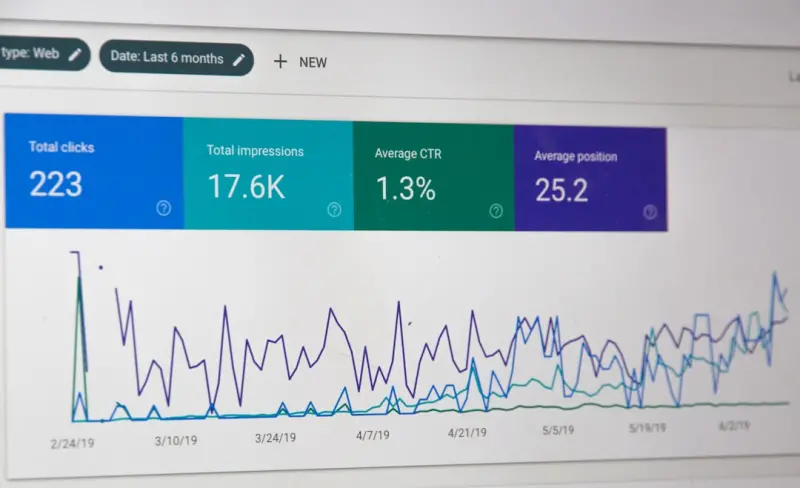
Traditional SEO metrics like organic traffic and backlinks remain important, but visual SEO demands a richer dashboard that includes image click‑through rates, video watch time, and visual SERP impressions. Tools such as Google Search Console’s “Performance > Search Appearance > Image” report let you track which assets are driving clicks, while YouTube Analytics and third‑party video platforms provide granular data on audience retention and engagement. Combining these data points reveals which visual formats resonate most with your audience, allowing you to double down on high‑performing content and retire underperforming assets.
Future Trends: AI‑Enhanced Visual Discovery
Artificial intelligence is rapidly turning visual search from a keyword‑matching exercise into a contextual understanding of objects, styles, and moods, meaning that future algorithms will evaluate the aesthetic quality and brand alignment of an image just as a human would. Anticipating this shift involves investing in high‑resolution, well‑lit photography, diversifying visual styles, and experimenting with generative AI tools that can create on‑demand variations for A/B testing. Early adopters who train their own image recognition models or partner with AI‑powered platforms will gain a competitive edge, as their visual assets will be more likely to surface in emerging “visual intent” queries.
Action Plan: 5 Steps to Elevate Your Visual SEO Today
First, audit your existing image and video library, tagging each file with precise, keyword‑rich alt text and structured data; second, map your top semantic clusters to dedicated visual assets, ensuring each cluster has at least one high‑quality image and one video; third, launch a community video hub on your site to harvest authentic user content; fourth, optimize all visual files for mobile speed, using modern formats like WebP and adaptive bitrate streaming; and finally, set up a visual‑focused analytics dashboard to monitor impressions, CTR, and watch time, adjusting your strategy based on real‑world performance. Follow these steps, and you’ll watch your visual presence climb the SERPs while your brand builds deeper, trust‑based connections with audiences.

Karen Edwards is a seasoned freelance writer with a passion for all things furry, feathered, and scaled. With a dedicated focus on pets, she brings a wealth of knowledge and a keen eye for detail to her writing.
Related Posts
Unlocking Global Growth: A SaaS Leader’s Guide to International SEO
International SEO is more than translation—it’s a cultural and technical overhaul. This guide wa... Read More

Entity‑Driven SEO: Making Your SaaS Platform an Authority in Search
Entity‑driven SEO transforms the way SaaS companies are found online by connecting content to clea... Read More

Zero‑Click Search: Win Without a Click
Zero‑click search is reshaping how SaaS brands capture buyer attention. This post reveals practica... Read More
Top Posts

Turning Up the Volume: Why Audio‑First Strategies Are the Future of Digital Marketing
Audio is no longer a side channel; it’s the new frontline of digital marketing. This article reveals how to craft authentic audio experiences, measure success...Read More

Humanizing Automated Outreach: Voice, Chat, and Warmth at Scale
Discover practical ways to blend voice‑first messaging and conversational AI into your automated outreach, creating warm, human‑centric experiences that boo...Read More

Brain‑Friendly Home Hacks: Light, Sound, and Space for Peak Productivity
Discover how dynamic lighting, curated soundscapes, strategic micro‑zones, and simple plant tricks can turn any home into a brain‑friendly environment that ...Read More

Why Community Advocacy Is the Next Growth Engine for SaaS Marketers
This post explains why community advocacy is the emerging growth engine for SaaS marketers, outlining a step‑by‑step framework to identify advocates, launch...Read More
0 Comments
Post Comment
You will need to Login or Register to comment on this post!