
Why Your Home Deserves a “Brain‑Friendly” Makeover
When I first started swapping conference rooms for kitchen tables, I treated my living space like a temporary office. I bought a standing desk, set up a dual‑monitor rig, and even installed a white‑noise machine. It worked—until the home part of home‑office started leaking in. The cat on the keyboard, the fridge humming at 3 am, the lingering scent of last night’s take‑out. That’s when I realized that a truly productive environment isn’t just about ergonomics; it’s about aligning your home’s physical cues with the way your brain processes information.
1. Light the Way: Dynamic Lighting for Focus and Calm
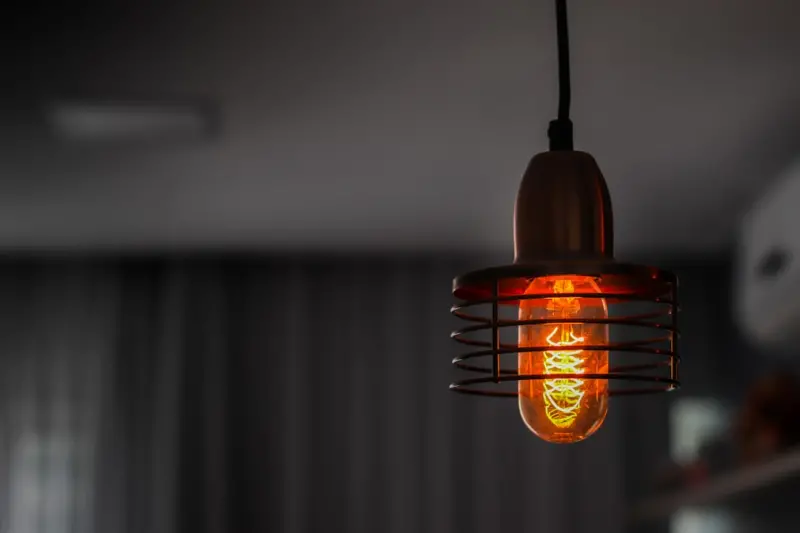
Most of us grow up under the harsh fluorescence of school classrooms and the warm glow of bedside lamps. Neither is ideal for sustained mental performance. The secret lies in dynamic lighting—light that changes colour temperature and intensity throughout the day, mimicking natural sunlight.
- Morning boost: 5,000–6,500 K cool‑white light spikes alertness and reduces melatonin. Set your kitchen or entryway lights to this range for the first hour after you wake.
- Mid‑day balance: Switch to neutral 4,000 K lighting in your work nook. It supports concentration without the eye strain of cooler tones.
- Evening wind‑down: Dim amber or warm‑white (2,700 K) bulbs in living areas to cue your brain that it’s time to relax.
Smart bulbs paired with a simple schedule (or a voice‑assistant routine) can automate this entire process. The result? A home that gently nudges you from high‑energy tasks to low‑energy recovery without a single conscious decision.
2. Soundscapes That Serve Your Schedule
Noise is the invisible productivity killer. While a white‑noise machine helps mask background chatter, a more nuanced approach is to curate soundscapes that match the activity at hand.
During deep‑work sessions, low‑frequency ambient sounds—rain, distant ocean waves, or a gentle wind—provide a steady auditory backdrop without demanding attention. For brainstorming or creative work, switch to a subtle “coffee‑shop” hum that adds just enough social ambience to spark ideas.
If you’re on a budget, a pair of inexpensive Bluetooth speakers and a curated playlist can do the trick. The key is to keep volume low enough that it becomes part of the room’s texture rather than a competing voice.
3. Air That Feels Like Fresh‑Cut Pine (Without the Pine)
Even if you’ve already read how to upgrade your remote workspace air quality, you might not have considered the psychological impact of smell. Certain scents can boost alertness, while others promote relaxation.
- Citrus bursts (lemon, orange): Proven to increase focus and reduce mental fatigue.
- Herbal notes (rosemary, sage): Linked to improved memory recall.
- Lavender or chamomile: Ideal for evening wind‑down zones.
Instead of buying pricey diffusers, try a DIY approach: place a few drops of essential oil on a cotton ball tucked into a decorative jar, or simmer a pot of water with citrus peels and rosemary for a natural, low‑maintenance aroma.
4. The Power of Micro‑Zones: Design for Intent
One of the biggest mistakes in home design is treating the entire space as a single, undifferentiated area. Your brain thrives on contextual cues. By carving out micro‑zones—each with a clear purpose—you give your mind a visual and tactile reminder of what you should be doing.
Here’s a quick blueprint you can implement in under an hour:
- Focus Corner: A small desk or laptop stand, a lamp with cool‑white LEDs, and a minimalist décor (think a single plant, a single piece of art). No clutter.
- Recharge Nook: A plush chair, soft blanket, low‑intensity amber lighting, and a small bookshelf with your favorite novels.
- Movement Hub: A yoga mat, a set of resistance bands, and a wall‑mounted timer. This reminds you to stand, stretch, or do a quick workout every 60‑90 minutes.
Because each zone is purpose‑driven, you’ll find yourself naturally transitioning from “do” to “be” without the mental fatigue of constantly re‑programming your environment.
5. Smart Thermostat Tricks for Brain Comfort
Temperature regulation is another under‑appreciated factor. Research shows that a slightly cooler environment (around 68–70 °F or 20–21 °C) boosts alertness, while a warmer setting (around 73–75 °F or 22–24 °C) encourages relaxation.
Most modern thermostats let you create “temperature schedules” that align with your daily flow. Pair a cool morning setting with your focus zone, then transition to a warmer evening temperature for the recharge nook. If you have a multi‑room system, you can even keep the bedroom cooler while the living area stays cozy.
6. Declutter with Cognitive Science, Not Just Aesthetics
We all know the visual mantra “less is more,” but the science behind clutter goes deeper. The brain treats every extra object as a potential decision point, draining cognitive bandwidth—a phenomenon known as “decision fatigue.”
Instead of a blanket purge, apply the “one‑in‑one‑out” rule for the next 30 days: for every new item you bring home, remove an old one. Combine this with the “20‑second rule”—if an item takes longer than 20 seconds to put away, it likely belongs somewhere else or in a storage solution you’ve already designated.
When you’re ready for a more strategic declutter, check out simple comfort tricks that focus on high‑impact, low‑effort changes. They’re perfect for busy professionals who can’t afford an entire weekend of sorting.
7. Plant Power: Greenery That Works as a Brain‑Booster
Indoor plants are more than décor; they’re natural air filters and mood elevators. Certain species—such as snake plant, spider plant, and pothos—are especially good at removing volatile organic compounds (VOCs) while requiring minimal care.
Beyond air purification, research shows that simply viewing greenery can lower stress hormones and improve concentration. Aim for one “statement” plant per major zone (focus corner, recharge nook, movement hub). If floor space is limited, try hanging planters or wall‑mounted terrariums.
8. The “Digital Sunset”: Ending Your Day Without Screen Fatigue
Even with optimal lighting and sound, the blue light from screens can sabotage your evening wind‑down. Implement a digital sunset—a set of habits that gradually reduce screen exposure in the last two hours before bedtime.
- Enable “night mode” or use a blue‑light filter app.
- Swap video calls for voice‑only check‑ins.
- Replace scrolling with a short, analog activity (journal, sketch, or a 5‑minute stretch routine).
This practice helps your circadian rhythm reset, ensuring you wake up refreshed and ready for another focused morning.
9. Personalize with Data: Your Home, Your Dashboard
If you love SaaS dashboards, why not bring that data‑driven mindset home? Many smart home ecosystems let you monitor temperature, humidity, light levels, and even air quality in real time. Set up a simple dashboard on your phone or a spare tablet that displays these metrics at a glance.
When you see a spike in humidity, you’ll know it’s time to open a window or run the dehumidifier. If light levels dip unexpectedly, you can trigger a lamp adjustment. Over time, these micro‑adjustments compound into a noticeable boost in comfort and productivity.
10. Future‑Proof Your Space: Modular Furniture That Grows With You
Finally, think ahead. As your work patterns evolve—perhaps a new side hustle, a hobby that needs a dedicated area, or a shift back to full‑time office work—your home should be able to adapt without a full remodel.
Invest in modular furniture: a desk that can expand, stackable storage units, and lightweight, movable partitions. These pieces let you re‑configure rooms quickly, keeping your environment aligned with your current priorities.
In short, a “brain‑friendly” home is about intentional cues, subtle technology, and a dash of nature. By tweaking light, sound, scent, temperature, and layout, you can create a space that not only looks good but also works with your mind’s natural rhythms. The next time you step into your living room, ask yourself: does this space tell my brain to focus, create, or unwind? If the answer isn’t clear, it’s time for a micro‑zone makeover.

Robert Mathews is a professional content marketer and freelancer for many SEO agencies. In his spare time he likes to play video games, get outdoors and enjoy time with his family and friends .
Related Posts

Seasonal Home Reset: How to Seamlessly Transition Your Space Every Few Months
Learn a practical, four‑phase approach to seasonally refresh your home, from spring decluttering t... Read More
Transform Your Home Into a Productivity Oasis Without Leaving Your Couch
A step‑by‑step guide to turning any living space into a productivity sanctuary, covering zoning,... Read More

Turn Your Home Into an Energy‑Smart Hub Without Breaking the Bank
A practical guide that blends habit changes, budget‑friendly smart devices, and simple audits to t... Read More
Top Posts

Zero-Click Search: Winning the SERP Without a Click
Zero‑click search is reshaping SEO. Discover practical tactics—from answering queries directly to mastering schema markup—so your brand thrives even when ...Read More

Digital Overload: A Health‑First Playbook for SaaS Leaders
Digital overload threatens cognitive health and productivity. Discover a practical four‑step playbook—diagnose, redesign, ritualize, and measure—to protec...Read More

Clean Tech, Clear Mind: A Practical Guide to Home Device Hygiene
Discover a step‑by‑step routine for cleaning smart speakers, phones, and kitchen appliances, plus sustainable tools and habits that keep your home tech heal...Read More
Reclaiming Vitality: How Remote Teams Can Thrive Through Shared Movement
This article outlines a practical framework for building inclusive, community-based movement challenges that transform remote work health, fostering better well...Read More
0 Comments
Post Comment
You will need to Login or Register to comment on this post!