
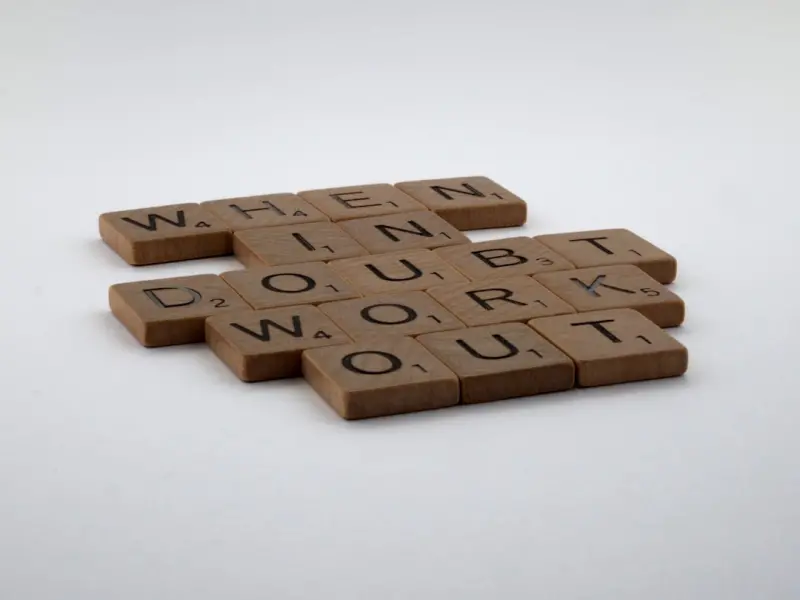
When the office coffee machine buzzes and the chat window pings, we instinctively reach for a quick caffeine fix or a scrolling distraction. Yet, hidden in those micro‑moments lies an untapped reservoir of health potential—if we dare to treat our daily workflow as a playground rather than a battlefield. I’m Sanji Patel, and over the past few years I’ve watched the health‑tech landscape sprint from wearables to AI‑driven nutrition. What still feels revolutionary, though, is the idea of turning the ordinary grind into a deliberately designed game that fuels both performance and well‑being.
Why Gamify Health in the Hybrid Era?
The hybrid work model has shattered the old “9‑to‑5” rhythm, scattering our routines across home desks, co‑working spaces, and occasional office days. This fluidity offers freedom, but it also fragments the cues that once reminded us to stretch, hydrate, or step away from the screen. By embedding game mechanics into these fragmented touchpoints, we can recreate the subconscious nudges that keep our bodies and minds in sync.
Gamification isn’t about superficial point‑scoring; it’s about leveraging intrinsic motivation—the very engine that drives us to level up in video games—to reinforce healthy habits that otherwise fall through the cracks. When done right, the health game becomes a personal narrative where each small win compounds into lasting resilience.
The Core Pillars of a Health‑First Game
- Clear Objectives: Define what success looks like—whether it’s a 30‑minute walk, a five‑minute mindfulness break, or a hydration target.
- Immediate Feedback: Real‑time cues (like a gentle vibration or a pop‑up badge) let you know you’re on track.
- Progressive Challenges: Start simple, then layer complexity as habits solidify.
- Social Connectivity: Friendly competition or collaborative goals amplify accountability.
- Reward Systems: From virtual trophies to tangible perks (extra PTO, wellness stipends), rewards reinforce the loop.
Mapping Game Mechanics onto Everyday Health
Let’s break down how each pillar can be woven into the hybrid workday, using tools you likely already have at your disposal.
1. Objective‑Setting with Micro‑Goals
Instead of a vague “stay healthy,” set micro‑goals that are specific, measurable, attainable, relevant, and time‑bound (SMART). For instance:
- Stand up for two minutes every hour.
- Complete a 5‑minute breathing session after each meeting.
- Drink eight ounces of water before lunch.
These bite‑sized targets feel achievable, reducing the psychological barrier that often halts larger health initiatives.
2. Real‑Time Feedback via Wearable Data
Modern wearables do more than count steps; they monitor heart‑rate variability, stress levels, and even skin temperature. By integrating these metrics into your health game, you can receive immediate, personalized feedback. For example, a sudden spike in heart‑rate variability could trigger a reminder to breathe, while a consistent activity streak might unlock a “Morning Warrior” badge.
Explore deeper insights by tapping into wearable data insights that translate raw numbers into actionable health narratives.
3. Progressive Challenges that Scale with Your Rhythm
Begin with foundational habits—like a daily 5‑minute stretch—and gradually layer more complex challenges: a weekly virtual yoga class, a monthly step‑count competition, or a quarterly mindfulness retreat. The key is to keep the difficulty curve gentle enough to avoid burnout yet steep enough to keep engagement high.
4. Social Layers: Teams, Pods, and Leaderboards
Human beings are social creatures. Turn health goals into team quests. Create “wellness pods” of 4‑6 colleagues who share a private leaderboard. Celebrate collective milestones—like achieving a combined 10,000 steps in a day—with a virtual high‑five or a shared coffee voucher.
When competition feels supportive rather than punitive, it drives a sense of belonging that fuels both productivity and mental health.
5. Reward Structures Beyond the Digital
Virtual badges are fun, but tangible rewards cement the habit loop. Consider policies that grant an extra half‑day off after a month of consistent meditation, or a wellness stipend for those who complete a quarterly fitness challenge. These incentives align personal health triumphs with organizational benefits.
Designing Your Health Game: A Step‑by‑Step Blueprint
Ready to launch your own health‑first game? Follow this practical roadmap.
- Audit Existing Behaviors: Use a week of self‑tracking (via phone or wearable) to identify pain points—excessive screen time, missed meals, or low activity.
- Define Core Objectives: Choose 2‑3 primary health goals that address the biggest gaps.
- Select Tools & Platforms: Leverage existing SaaS health platforms, or build a simple internal dashboard using APIs from wearables.
- Map Game Mechanics: Assign points, badges, and levels to each micro‑goal. Ensure feedback loops are instantaneous.
- Roll Out in Phases: Pilot with a small team, gather feedback, and iterate before a company‑wide launch.
- Measure Impact: Track engagement metrics (login frequency, badge acquisition) alongside health outcomes (average steps, stress scores).
- Iterate & Evolve: Refresh challenges quarterly to prevent stagnation.
Integrating Micro‑Movement Strategies into the Game Loop
One of the most overlooked health levers in the office is movement. While we’re busy chasing deadlines, our bodies crave tiny bursts of activity. By embedding micro‑movement strategies into your health game, you turn every desk‑bound hour into an opportunity for circulation, joint health, and mental reset.
Examples include:
- Desk‑Stretches Quest: Complete a set of five stretches before each Zoom call.
- Step‑Snap Challenges: Every 30 minutes, a notification prompts a 60‑second walk or stair climb.
- Air‑Quality Breathing Rounds: Sync breathing exercises with indoor air‑quality sensor alerts to ensure optimal oxygen intake.
The Role of AI: Personalizing the Play
AI can act as the silent game master, analyzing patterns and suggesting tailored challenges. Imagine an algorithm that notices a dip in your activity on rainy days and automatically proposes an indoor circuit routine, or one that detects elevated stress levels and unlocks a calming soundscape. While we’ve already explored AI in product discovery and decision intelligence, its application to health gamification remains a fresh frontier.
Crucially, the AI should respect privacy, offering insights without compromising personal data—think edge‑processing where data never leaves the device.
Case Study: The “Wellness Quest” Pilot at a Mid‑Size SaaS Firm
To illustrate, let’s walk through a fictional pilot that turned health into a competitive yet collaborative adventure.
Background: A 300‑person SaaS company struggled with employee burnout and low physical activity scores. Leadership wanted a low‑cost, high‑impact solution.
Implementation: Over a six‑week period, they launched “Wellness Quest.” Employees earned points for:
- Completing a morning stretch routine (5 points).
- Logging water intake (2 points per glass).
- Participating in weekly “movement breaks” (10 points).
- Sharing a wellness tip on the internal forum (3 points).
Teams competed on a leaderboard displayed in the company Slack channel. The top three teams each earned a half‑day remote work perk.
Results:
- Average daily steps increased by 27%.
- Self‑reported stress levels dropped by 15%.
- Employee Net Promoter Score (eNPS) rose by 8 points.
- Retention rates improved marginally, attributing to heightened engagement.
Beyond numbers, the pilot sparked spontaneous “virtual coffee” chats, where teammates exchanged wellness hacks, reinforcing a culture of mutual care.
Addressing Common Concerns
“What if employees feel pressured?” – The game should be opt‑in, with private progress tracking to avoid shaming. Emphasize personal growth over competition.
“Will data privacy be compromised?” – Adopt a privacy‑by‑design approach. Store data locally when possible, and only aggregate anonymized metrics for organizational insights.
“Is this just a fad?” – The science of habit formation supports gamified interventions. When aligned with clear health outcomes, the approach sustains long‑term behavior change.
Future Horizons: From Game to Lifestyle Ecosystem
As hybrid work becomes the norm, health gamification can evolve into an integrated lifestyle ecosystem:
- Cross‑Platform Sync: Link wearables, calendar apps, and health platforms to create a seamless health narrative.
- Family & Community Extensions: Invite employees to involve their families, turning personal health into a shared adventure.
- AI‑Driven Adaptive Challenges: Dynamically adjust difficulty based on real‑time biometric feedback.
When health transforms from a checklist item to an immersive experience, the benefits ripple across productivity, morale, and ultimately, the bottom line.
Take the First Step
If you’re reading this and feel the tug of curiosity, start small. Pick one micro‑goal, set a playful reward, and track your progress for a week. Then, share your win with a colleague. Before you know it, you’ll have the seed of a thriving health game that can scale across your organization.
Remember, the most powerful health interventions are the ones we look forward to playing. Let’s turn the everyday grind into a game worth winning.

Sanji Patel has dedicated 25 years to the SEO industry. As an expert SEO consultant for news publishers, he emphasizes providing both technical and editorial SEO services to news publishers worldwide. He frequently speaks at conferences and events globally and offers annual guest lectures at local universities.
Related Posts

Micro‑Movements, Breath, and Light: The Hidden Trio Boosting Workplace Health
Learn practical micro‑movements, breath resets, and lighting tweaks that fit into any workday, enh... Read More
Finding Balance: A Practical Guide to Digital Wellness for Everyday Health
Learn how to set boundaries, integrate movement breaks, and use mindful tech tools to achieve digita... Read More
Breathwork, Green Spaces, and Nutrition: A Remote Worker’s Health Blueprint
A comprehensive guide for remote professionals that blends simple breathing techniques, indoor plant... Read More
Top Posts
Think Like a Search Engine: A New SEO Blueprint for SaaS
A fresh SEO approach for SaaS: start with the user’s problem, craft answer‑first pages, embed structured data, and integrate content updates into your CI/CD...Read More
The Art of Seasonal Home Refresh: Simple Swaps to Revitalize Every Room
Discover a practical, low‑budget approach to seasonal home refreshes—simple fabric swaps, lighting tweaks, and storage hacks that keep every room feeling ne...Read More
Cracking the Code: How Structured Data Supercharges B2B SaaS SEO
Learn why structured data is essential for B2B SaaS SEO, how to implement schema markup effectively, and the measurable impact it can have on rankings, click‑...Read More
From Clicks to Conversations: Rethinking Digital Marketing with Community‑Driven Experiences
A deep dive into building community‑driven digital marketing strategies that turn passive clicks into active conversations, fostering loyalty, co‑creation, ...Read More
0 Comments
Post Comment
You will need to Login or Register to comment on this post!