
Why Your Home Needs a Productivity Hub (Even If You’re Not a Home‑Office Hero)
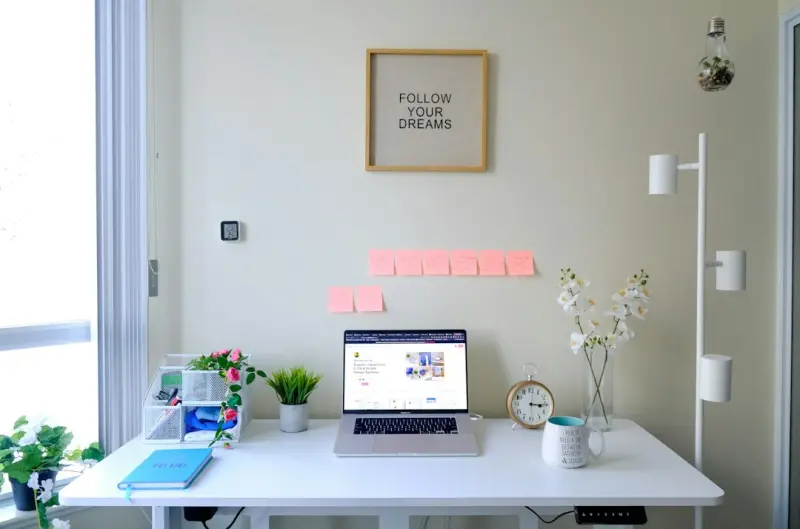
When I first moved into my modest three‑bedroom townhouse, I imagined a sleek, minimalist space where I could focus, unwind, and host a few dinner parties without ever feeling cramped. Fast‑forward a few months, and the reality was a kitchen table turned laptop desk, a living‑room couch doubling as a conference‑call throne, and a bedroom that doubled as a storage closet. The chaos was a gentle reminder: our homes are no longer just places to sleep—they’re the command centers of our lives. Creating a dedicated productivity hub doesn’t have to mean a full‑blown renovation; it’s about intentional, bite‑size changes that respect the flow of daily life.
Start with the “Micro‑Zone” Mindset
Instead of overhauling an entire room, think in terms of micro‑zones: small, purpose‑driven pockets that serve a single function. A reading nook by the window, a focus corner under a lamp, or even a “brain‑break” station with a water bottle and a plant. By limiting the scope, you reduce decision fatigue—your brain instantly knows, “This is where I work,” without the mental gymnastics of clearing a multi‑purpose space every time you switch tasks.
My favorite micro‑zone is a narrow shelf on the hallway wall that houses a slim laptop stand, a notepad, and a pair of noise‑cancelling headphones. It’s out of the way, yet instantly reachable when a deadline pops up. The key is to keep each zone lean—only the tools you truly need. This approach mirrors the concept of quiet powerhouse design, where the environment works for you, not against you.
Lighting: Your Unsung Productivity Ally
Natural light is the gold standard, but most homes have corners that stay in perpetual twilight. Instead of splurging on a full‑scale lighting remodel, start with task lighting. A flexible LED desk lamp with a color‑temperature dial can mimic sunrise for morning focus and shift to a warmer hue for evening wind‑down. Position a mirror opposite a window to bounce light deeper into the room—an inexpensive trick that can double the illumination without buying a new fixture.
Don’t underestimate the psychological impact of a consistent lighting routine. I set a “sunrise” alarm on my lamp at 7 am; the gradual increase in brightness cues my brain that it’s time to start the day. By 9 am, I’m already in a state of alertness, ready to tackle emails. When the day winds down, I dim the lights to signal that it’s time to transition into a more relaxed mindset. This rhythm reduces the need for caffeine spikes and keeps my circadian rhythm in sync, which, in turn, fuels better focus.
Ergonomics Without the Expense
Many productivity guides scream “buy an ergonomic chair!”—a worthy suggestion but not always feasible for a home setting. Here’s how I achieved comfort on a budget:
- Elevate your screen. Use a stack of sturdy books or a low‑profile shelf to bring your monitor to eye level. This prevents neck strain and encourages a neutral posture.
- Support your lower back. A rolled‑up towel or a lumbar pillow can transform a regular office chair into a back‑friendly throne.
- Foot positioning. Keep feet flat on the floor or on a small footrest. If floor space is tight, a simple wooden crate works wonders.
- Keyboard angle. A shallow tray or an adjustable laptop stand can tilt the keyboard slightly upward, reducing wrist strain.
These tweaks cost less than a coffee, and they dramatically increase the time you can stay productive without discomfort. Remember, ergonomics is about alignment, not about expensive gear.
Sound Management: From Background Noise to Focus Fuel
We live in an age where the hum of the dishwasher, the chatter of a TV, or the thrum of traffic can sabotage concentration. While some readers may already be familiar with the quiet powerhouse strategy, let’s explore a few lesser‑known tactics that fit seamlessly into a home environment.
- Strategic soft furnishings. Adding a plush rug, heavy curtains, or a wall tapestry absorbs sound waves, creating a natural acoustic buffer.
- White‑noise companions. A small tabletop fan or a dedicated white‑noise app can mask unpredictable noises. I love the “rainforest” setting; it feels like a gentle, unobtrusive backdrop.
- Door draft stoppers. These inexpensive rubber seals prevent hallway noise from bleeding into your work zone.
- Scheduled “quiet windows.” Communicate with housemates or family members about specific hours when you need silence. A simple sign on the door can do the trick.
When you combine these sound‑management techniques with your micro‑zone, you create a sanctuary that not only looks organized but also sounds purposeful.
Declutter With Purpose: The “One‑In, Two‑Out” Rule
Clutter is the silent productivity killer. A tidy surface signals a tidy mind, but endless decluttering can feel overwhelming. I adopted the “one‑in, two‑out” rule: for every new item you bring home, you must remove two existing items. It forces you to evaluate necessity and creates immediate space without a massive purge.
Apply this rule specifically to your productivity zone. When you acquire a new notebook, perhaps donate an old binder. If a new coffee mug arrives, consider gifting a duplicate to a friend. Over time, your workspace becomes a curated collection of tools you truly love, rather than a repository of “maybe‑later” items.
Integrate Mindful Breaks: The “Brain‑Reset” Station
Even the most efficient workers need periodic mental resets. I built a tiny “brain‑reset” station on my balcony, complete with a small plant, a water bottle, and a simple breathing‑exercise card. When the urge to stare at the screen hits, I step outside, take three deep breaths, and sip water. The change of scenery and brief mindfulness moment recharge my focus without the need for a full‑blown “real‑world pause.” If you’re curious about the science behind stepping away, check out the piece on why your brain craves a real‑world pause for deeper insight.
These micro‑breaks also double as a chance to stretch, hydrate, and even glance at the sky—tiny rituals that add up to big gains in concentration and stamina.
Technology That Complements, Not Competes
In a home environment, technology should be an enabler, not a distractor. Here are three low‑maintenance tech habits that keep you focused:
- Use “focus” browser extensions. Tools like StayFocusd block distracting sites during work windows, allowing you to stay on task.
- Leverage smart speakers for timers. Set a 25‑minute “Pomodoro” timer via voice command and let the gentle chime signal a break.
- Automate ambient lighting. Smart bulbs that shift color temperature based on the time of day reinforce your lighting routine without manual effort.
The goal is to automate the environment so you spend less mental energy on “how do I stay on track?” and more on the actual work.
Seasonal Refresh: A Quarterly Checklist
Productivity isn’t static; it evolves with the seasons. A quarterly refresh helps keep your hub aligned with changing needs. Here’s a simple checklist:
- Winter: Add a warm throw and a small heater for comfort; ensure lighting is bright to combat shorter days.
- Spring: Open windows for fresh air; rotate plants to capture more sunlight; declutter any winter‑specific gear.
- Summer: Install a fan or portable AC; use light, breathable textiles; keep a water station nearby.
- Fall: Swap in a lamp with a softer hue; introduce a scented candle with calming aromas; review your “one‑in, two‑out” inventory.
This routine doesn’t demand a massive time investment—just 30 minutes every three months. The payoff? A space that feels perpetually fresh, motivating you to return to work without the mental drag of stale surroundings.
Wrap‑Up: Your Home, Your Productivity Playground
Transforming your home into a productivity haven is less about grand renovations and more about thoughtful, incremental adjustments. By carving micro‑zones, mastering lighting, embracing affordable ergonomics, managing sound, decluttering with purpose, building a brain‑reset station, and syncing technology to your workflow, you set the stage for sustained focus and wellbeing. Remember, the goal isn’t to turn every room into a sterile office—it's to create pockets that honor both work and life, allowing you to thrive wherever you choose to sit.

Karen Edwards is a seasoned freelance writer with a passion for all things furry, feathered, and scaled. With a dedicated focus on pets, she brings a wealth of knowledge and a keen eye for detail to her writing.
Related Posts
Smart Home Refresh: Simple Strategies for a Calm, Organized Living Space
Learn easy, budget‑friendly ways to declutter, add hidden storage, improve air quality, and create... Read More
Turn Your Hallway Into a Home‑Office Power‑Hub
Discover a step‑by‑step guide to converting an underused hallway into a sleek, productivity‑bo... Read More
Designing a Calm Home Hub: Small Shifts for Big Peace
Learn how simple adjustments—like harnessing natural light, creating micro‑zones, and using subt... Read More
Top Posts

Travel as an Innovation Lab: Turning Business Trips into R&D Opportunities
Learn to redesign business travel as an innovation lab: set purposeful goals, capture real‑world data, and convert travel experiences into measurable product ...Read More

Chasing Sunrises: A Journey Through the World’s Most Stunning Dawn Destinations
Join a sunrise seeker as they explore iconic dawn locations, from Angkor Wat to the Grand Canyon, and learn how early light can transform travel and productivit...Read More

Turn Support Tickets into High‑Impact Marketing Assets
Discover a step‑by‑step framework to transform everyday service interactions into powerful marketing content, from data capture to multi‑channel deploymen...Read More
Audio Branding: The Untapped Weapon for B2B Marketers
Explore the power of audio branding in B2B marketing, from neuroscience-backed memory benefits to practical implementation steps, and learn how sound can become...Read More
0 Comments
Post Comment
You will need to Login or Register to comment on this post!