
Why Travel Should Be Your Personal Innovation Lab
When the next flight boards and the seatbelt sign dings, most of us start counting down the minutes until we touch down. For me, the moment the wheels leave the runway is the exact point where the real work begins. I’ve learned to treat every trip—not just the destination—as a laboratory where curiosity, observation, and a dash of disciplined play combine to spark fresh ideas. This mindset isn’t about abandoning deadlines or productivity; it’s about reshaping the very definition of “productive travel.” In a world where meetings, deadlines, and inboxes follow us across borders, the only thing we can truly control is the lens through which we experience the journey.
Redefining the Travel Narrative: From Checklist to Curiosity‑Driven Expedition
Traditional travel guides hand you a checklist: “see the museum, try the local dish, snap a photo of the skyline.” While that list guarantees you won’t miss the tourist highlights, it often squeezes out the moments that actually linger in memory—the subtle sounds of a market, the rhythm of a street performer’s drum, the unexpected conversation with a stranger at a café. By swapping the checklist for a curiosity‑driven agenda, you free up mental bandwidth for the kinds of serendipitous insights that fuel innovation.
My own approach starts with three simple questions before any trip:
- What sensory detail am I most eager to explore? Is it the texture of a historic stone wall, the aroma of a night market, or the cadence of a foreign language?
- Which local practice could I experiment with? Maybe it’s a morning meditation, a communal cooking class, or a public storytelling session.
- Who can I learn from outside my industry? A craftsman, a farmer, a street artist—anyone whose daily grind differs from the corporate rhythm.
Answering these questions creates a personal research brief that turns any layover or train ride into a purposeful field study, without feeling like work.
Travel Journaling: The Unsung Power Tool for Idea Synthesis
Many travelers skim a notebook to capture a quick note—“great coffee at Café Luna.” I push further. My journal is a hybrid of sketchpad, voice memo, and mind map. I record not just what I see, but how it makes me feel, what it reminds me of, and how it might intersect with challenges I’m tackling back at the office.
Here’s a quick structure I use, adaptable to any device or paper:
- Observation: A concise description (e.g., “rain‑slicked cobblestones glistened under streetlights”).
- Emotion: The gut reaction (e.g., “felt a sudden calm, like the city was breathing slowly”).
- Connection: A bridge to a work problem (e.g., “the way water finds the path of least resistance reminded me of our pipeline bottleneck”).
- Actionable Insight: A concrete idea (e.g., “prototype a visual dashboard that highlights friction points in real‑time”).
When you revisit these entries after the trip, patterns emerge. You’ll notice recurring motifs—perhaps a particular color palette, a rhythm in public transport announcements, or a local problem that mirrors a business hurdle. Those motifs become the seeds of new strategies, product features, or even company culture initiatives.
Embedding Creativity in the Transit Experience
Transit, often dismissed as downtime, is a goldmine for creative thinking. The rhythmic hum of a train, the repetitive sway of an airplane, and the ambient chatter in a bustling terminal all provide a low‑stimulus environment that can trigger daydreaming—a proven catalyst for divergent thinking. While many treat these moments as opportunities to binge‑watch a series, I deliberately set a timer for 15 minutes and ask myself one of three prompts:
- What problem am I currently wrestling with, and how might this environment suggest a solution?
- Which sensory detail in my surroundings could inspire a new feature or service?
- If I could redesign this transit experience, what would I change, and why?
These quick mental exercises transform passive waiting into an active ideation sprint. The key is to stay open, avoid judgment, and let the mind wander freely—then capture the spark before it dissipates.
Learning From Local Innovation Ecosystems
Every city hosts its own micro‑ecosystem of makers, entrepreneurs, and problem‑solvers. Instead of heading straight to the conference hall or the corporate office, I carve out time to explore co‑working spaces, maker labs, or community markets. These places are where ideas are tested in real time, often with limited resources but boundless enthusiasm.
For example, during a recent trip to Porto, I spent an afternoon in a small makerspace where a group of artisans were prototyping low‑cost water filtration devices for rural villages. Their rapid‑iteration process—using cardboard prototypes, community feedback loops, and open‑source hardware—offered a fresh perspective on how we could approach our own product beta cycles. By observing their hands‑on methodology, I returned home with three actionable tweaks to our sprint review process.
If you’re unsure where to start, try a quick search for “community lab” or “maker space” in the city you’re visiting. Even a brief 30‑minute visit can reveal a new lens through which to view your own challenges.
Turning Unexpected Stops Into Insightful Field Trips
Even the most meticulously planned itinerary can be upended by a delayed train or a closed museum. Rather than seeing these hiccups as setbacks, I treat them as invitations to explore the uncharted. When my flight to Kyoto was delayed by three hours, I found myself wandering a quiet neighborhood that housed a centuries‑old tea house. Inside, I observed the meticulous choreography of the tea ceremony—each movement purposeful, each pause intentional. That pause reminded me of the importance of “thinking spaces” in product development: moments where teams can step back, reflect, and align before diving back into execution.
In a similar vein, a friend once recommended making the most of unexpected stops as a way to add depth to travel. While the concept is similar, my focus is less about “adventure” and more about extracting strategic insight from every detour.
Designing a Mobile Creative Studio on the Road
When you’re constantly moving, the line between “work” and “travel” blurs. One powerful way to keep that creative spark alive is to set up a portable studio that travels with you. Think of it as a lightweight toolkit that lets you capture, prototype, and share ideas wherever you are.
Key components of a mobile studio include:
- Compact sketching kit: A pocket‑sized notebook, waterproof pens, and a foldable drawing board.
- Digital capture tools: A smartphone with a high‑resolution camera, a portable scanner app, and a voice recorder.
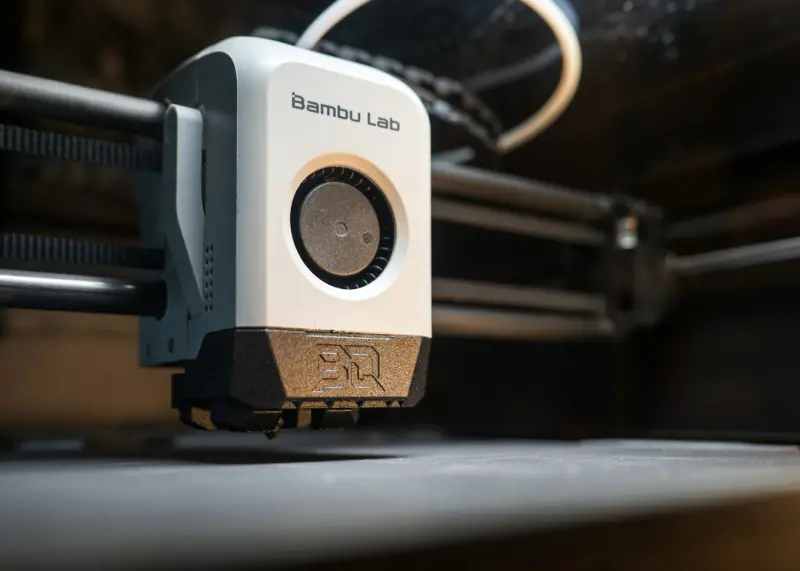
- Rapid‑prototype hardware: A small 3‑D printer or a set of modular electronics (Arduino, Raspberry Pi) for quick proof‑of‑concepts.
- Collaboration platform: A cloud‑based workspace where you can instantly share drafts with teammates back home.
For a deeper dive on setting up such a studio, I’ve written about building a mobile creative studio. The beauty of this approach is that it turns any café, park bench, or hotel lobby into a legitimate brainstorming hub, not just a place to check emails.
Leveraging Cultural Storytelling for Brand Narrative
Storytelling isn’t exclusive to marketing departments; it’s a human instinct that flourishes in travel. While wandering a bustling souk in Marrakech, I listened to a vendor recount how his family’s spice blend recipe survived three generations. The story wasn’t just about flavor—it was about resilience, adaptation, and identity. Those themes resonated deeply with the brand narrative we were crafting for a new product line aimed at “heritage‑driven innovation.”
To capture this type of narrative gold, try these tactics:
- Ask open‑ended questions that invite personal anecdotes (“What does this tradition mean to you?”).
- Record the story in the speaker’s own words; authenticity trumps polished phrasing.
- Identify the universal emotions—pride, nostalgia, hope—and weave them into your brand copy.
The result is a brand voice that feels lived‑in, not manufactured, and that can differentiate you in a crowded market.
Mindful Movement: Physical Exploration as Cognitive Reset
Physical activity isn’t just good for health; it’s a catalyst for neural plasticity. When you walk a new city, your brain maps unfamiliar streets, processes novel visual cues, and constantly recalibrates. This “cognitive gymnastics” can lead to moments of insight that static desk work rarely provides.
Consider incorporating these practices into your travel routine:
- Morning sunrise strolls: Begin the day with a slow walk, observing how the city awakens.
- Bike rentals: Cover more ground while engaging different muscles and senses.
- Guided walking tours with a twist: Choose tours focused on architecture, street art, or local culinary traditions rather than generic historical overviews.
These kinetic experiences stimulate the brain’s default mode network—the same network that lights up during creative brainstorming. By intentionally pairing movement with reflection, you create a fertile ground for breakthrough ideas.
Turning the Airport Terminal into a Live Idea Board
Airports are often dismissed as sterile transit zones, but they are micro‑cosms of human behavior: people juggling time zones, juggling devices, and navigating a shared space. While many see them as places to catch up on work emails, you can instead view them as live case studies of how design, signage, and flow affect user experience.
During a recent layover, I observed the way families clustered around charging stations, creating informal “learning pods” where children taught each other how to use unfamiliar gadgets. That spontaneous mentorship model sparked the idea for a “peer‑learning” feature in our SaaS platform, where power users could host short, on‑demand tutorials for newcomers.
For more on how terminals can fuel inspiration (beyond remote‑work), check out finding inspiration in bustling hubs. The key is to shift focus from productivity tools to the human stories playing out around you.
Post‑Travel Integration: From Insight to Impact
All the observations, sketches, and conversations gathered on the road risk fading into the ether if you don’t have a systematic integration process. I follow a three‑step ritual once I’m back at my desk:
- De‑brief session: Within 48 hours, I host a short virtual meeting with my core team, sharing top insights and visual artifacts.
- Insight mapping: Using a digital canvas, I cluster themes, tag them with potential business implications, and prioritize based on relevance.
- Action plan: I assign owners to each high‑potential insight, setting clear next steps and timelines.
This routine ensures that the “travel lab” doesn’t remain an isolated experiment but becomes a repeatable engine for innovation.
Conclusion: Make Every Mile Count
Travel isn’t just a break from the office; it’s a dynamic, immersive laboratory where the world itself is the test subject. By shifting from a checklist mindset to one of purposeful curiosity, equipping yourself with a portable creative studio, and treating each transit moment as a brainstorming sprint, you turn ordinary trips into strategic assets. The next time you zip through a terminal or wander a foreign street, ask yourself: “What problem can this environment help me solve?” The answer may just be the next big idea waiting to be launched.

Karen Edwards is a seasoned freelance writer with a passion for all things furry, feathered, and scaled. With a dedicated focus on pets, she brings a wealth of knowledge and a keen eye for detail to her writing.
Related Posts

The Art of Unplugged Wanderlust: Finding Freedom in Low‑Tech Journeys
Explore the power of low‑tech travel: step away from screens, engage deeply with places and people... Read More

Crafting a Portable Sanctuary: The Home‑Away‑From‑Home Travel Trend
Explore the emerging “home‑away‑from‑home” travel trend: learn how to design a modular por... Read More

Secure Wanderlust: Safeguarding Your SaaS Business on the Road
A comprehensive guide for SaaS executives on how to secure data, devices, and communications while t... Read More
Top Posts

Navigating Google’s AI Tsunami: Rose DesRochers’ Front‑Row Perspective
Rose DesRochers shares a front‑row perspective on Google’s AI wave, offering practical tactics, ethical insights, and a 2024 outlook for marketers navigatin...Read More
AI‑Curated Playbooks: Scaling B2B SaaS Sales with Customer‑Powered Content
AI‑curated playbooks transform raw case studies and support tickets into dynamic, personalized sales narratives, delivering relevance at scale and driving hig...Read More

Micro-Optimizations: Tiny Home Tweaks for Big Comfort Gains
A quick guide to low‑effort, high‑impact home adjustments—smart lighting, airflow tricks, and subtle organization hacks that elevate comfort and slash bil...Read More

Brightening Your Home: A Practical Guide to Harnessing Natural Light
Learn simple, expert‑approved ways to maximize natural sunlight in every room, from window audits to mirror tricks, and enjoy a more spacious, energy‑smart ...Read More
0 Comments
Post Comment
You will need to Login or Register to comment on this post!