

Why Live Shopping is the Secret Weapon B2B SaaS Marketers Have Been Waiting For
When I first saw a fashion influencer riff on a live‑shopping stream, I laughed. “That’s for sneakers and lipstick,” I muttered. Fast forward a few months, and my inbox is buzzing with CEOs asking, “Can we do live shopping for a subscription platform?” The answer is a resounding yes—and it’s changing the way we think about acquisition, nurture, and revenue in the B2B SaaS arena.
Live shopping isn’t a gimmick; it’s a real‑time, two‑way conversion engine. It blends the immediacy of a webinar, the interactivity of a Q&A, and the emotional pull of a shopping‑cart experience. When executed correctly, it turns passive viewers into enthusiastic buyers—all while slashing the time it takes to move a prospect from awareness to contract.
From Webinar to Live Shopping: The Evolution of Real‑Time Engagement
Traditional webinars have always been a staple of B2B demand generation. Yet they suffer from three chronic flaws:
- One‑way communication. The host talks, the audience listens.
- Low urgency. Attendees can pause, rewind, or drop off at any moment.
- Complex checkout. Even after a demo, the path to purchase remains a separate funnel.
Live shopping eliminates those pain points by creating an immersive, purchase‑ready environment. The moment a prospect sees a feature in action, they can click a button, ask a question, and sign up—all within the same live stream.
How Live Shopping Works for SaaS
Here’s a quick run‑through of the typical flow:
- Pre‑show hype. Tease the event with short videos, email countdowns, and social‑media snippets that showcase a “killer feature” you’ll reveal live.
- Live demo. A product manager walks through a real‑world use case, switching between screen share and a live UI sandbox.
- Instant interaction. Viewers drop comments, poll answers, or emoji reactions. A dedicated moderator surfaces the most pressing questions in real time.
- On‑the‑spot offers. As the demo hits a high‑value moment (e.g., “see how you can reduce churn by 30%”), a “Buy Now” button appears, linking to a pre‑filled checkout or a fast‑track free‑trial form.
- Post‑show follow‑up. The recording, along with a personalized “thank you” email and a limited‑time discount, lands in the inbox within minutes.
This loop compresses weeks of nurturing into a single, high‑energy session. And because the interaction is live, the psychology of scarcity—“Only 20 seats left for the early‑bird discount”—drives urgency without feeling pushy.
Data‑Driven Personalization: The Real Edge
What separates a run‑of‑the‑mill live demo from a true live‑shopping experience is personalization at scale. By feeding real‑time analytics into the broadcast, you can tailor the content on the fly. Imagine these scenarios:
- Industry‑specific triggers. If the majority of attendees are in fintech, the host pivots to a compliance dashboard instead of the generic marketing panel.
- Behavioral cues. A viewer who clicks the “Ask a Question” button repeatedly is automatically highlighted, encouraging the host to address them directly.
- Purchase intent signals. When a prospect hovers over the “Buy Now” button for more than five seconds, a pop‑up offers a live chat with a sales rep.
These micro‑adjustments feel effortless to the viewer but translate into higher conversion rates. In fact, early adopters report a 30‑40% lift in qualified leads compared to standard webinars.
Technology Stack: What You Need to Get Started
Building a live‑shopping experience doesn’t require a Hollywood‑level production crew, but it does need a reliable tech stack:
- Streaming platform. Choose a service that supports low‑latency interactive overlays (e.g., StreamYard, Restream, or a custom WebRTC solution).
- Live‑shopping widget. Integrate a clickable CTA layer that can be toggled on/off during the stream. Many e‑commerce APIs can be repurposed for SaaS trials.
- CRM & marketing automation. Hook the live‑shopping events into your lead‑scoring engine so that every click, comment, and purchase updates the prospect record instantly.
- Analytics dashboard. Real‑time metrics—viewers, engagement rate, conversion funnel—should be visible to the host and the sales team.
If you’re already experimenting with gamified content, you’ll notice that the same engagement loops (points, badges, leaderboards) can be overlaid onto a live‑shopping stream, turning “watching” into a game you actually want to win.
Integrating Chatbots for Seamless Hand‑Offs
One of the most underutilized tools in live‑shopping is the chatbot. By embedding a conversational agent into the stream, you can:
- Answer FAQs without pulling the host offstage.
- Capture contact info for prospects who aren’t ready to click “Buy Now” but want a follow‑up.
- Provide instant product recommendations based on the viewer’s industry or role.
Think of the chatbot as your silent sales rep. If you need a deep dive on how to turn a chatbot into a conversion magnet, check out our guide on chatbots for SEO—the same principles apply to live‑shopping, just with a focus on instant purchase intent.
Crafting the Perfect Offer: Discounts vs. Added Value
Unlike consumer live‑shopping, B2B buyers are less swayed by a simple 10% discount. They crave added value that aligns with their business outcomes. Here are three offer structures that resonate:
- Extended trial with premium features. “Sign up in the next 15 minutes and get a 60‑day trial of our Advanced Analytics module.”
- Dedicated onboarding sprint. “Enroll now and we’ll allocate a senior Customer Success Manager for your first 30 days.”
- Performance‑based pricing guarantee. “If you don’t see a 20% efficiency boost in the first quarter, we’ll refund your first month.”
These offers shift the conversation from price to outcome, a subtle but powerful move that aligns with the B2B buyer’s decision criteria.
Measuring Success: Beyond Views and Clicks
Traditional metrics—view count, average watch time—still matter, but for live‑shopping you need a richer set of KPIs:
- Engagement depth. Ratio of comments/questions to total viewers.
- Conversion velocity. Time from first interaction to purchase.
- Revenue per viewer (RPV). Total sales generated divided by unique live attendees.
- Post‑event churn. Compare churn rates of live‑shopping converts versus standard pipeline leads.
When you track these metrics in real time, you can iterate on the format, the offers, or the host style—making each subsequent event smarter than the last.
Real‑World Examples: Companies Who Got It Right
Several forward‑thinking SaaS firms have already dipped their toes into live‑shopping, and the results are compelling:
- Acme Analytics. Hosted a 45‑minute live demo of their new predictive engine. The “Buy Now” button launched a 30‑day free trial with a 20% discount on the first year. They saw a 3.5× lift in trial sign‑ups compared to their regular webinar.
- ZenDesk Pro. Integrated a chatbot that offered instant pricing calculators. During the live event, 18% of viewers clicked the calculator and 7% completed a purchase on the spot.
- CloudSync. Paired live‑shopping with a gamified leaderboard; the top 5 most‑engaged participants earned a free consulting hour. The gamified element increased chat activity by 62%.
Notice how each case blends live interaction, a clear value proposition, and a seamless checkout path. That’s the formula you need to replicate.
Step‑by‑Step Playbook to Launch Your First Live‑Shopping Event
Ready to try it? Follow this 7‑step playbook:
- Identify a high‑impact feature. Pick something that solves a pain point your target market vocalizes most often.
- Assemble a cross‑functional team. Include product, marketing, sales, and a technical producer for the stream.
- Design the offer. Choose a value‑based incentive that aligns with the feature you’re showcasing.
- Build the tech stack. Set up your streaming platform, CTA widgets, and chatbot integration.
- Promote aggressively. Use email sequences, LinkedIn ads, and partner newsletters to drive RSVP.
- Rehearse. Run a full‑dress rehearsal with the host, ensuring the CTA appears at the right moments.
- Execute and iterate. Go live, monitor the real‑time dashboard, and capture post‑event data for the next round.
Don’t forget to repurpose the recording. Publish it as an on‑demand asset, embed the CTA overlay for later viewers, and feed the performance data back into your semantic SEO strategy so that people searching for “SaaS live demo” find your content organically.
Common Pitfalls and How to Avoid Them
Even the most enthusiastic teams can stumble. Here are three traps and the antidotes:
- Technical glitches. Test every interactive element (buttons, chat, polls) in a sandbox before going live. Have a backup streaming URL ready.
- Over‑selling. If the host spends too much time pitching, viewers disengage. Keep the demo show, don’t tell—let the product speak for itself.
- Post‑event silence. The magic ends once the stream does, unless you have a follow‑up cadence. Automate personalized thank‑you emails and a limited‑time offer reminder.
The Future: AI‑Powered Live Shopping
Looking ahead, AI will make live‑shopping even smarter. Imagine a real‑time recommendation engine that analyses a viewer’s LinkedIn profile on the fly and surfaces the most relevant feature set. Or a voice‑assistant that lets a prospect say, “Show me the security dashboard,” and the stream instantly switches to that view.
When AI joins the live‑shopping mix, the experience becomes hyper‑personalized, and the line between sales demo and interactive product tour blurs completely. Stay ahead of the curve by experimenting with AI‑driven overlays now—your competitors will be scrambling to catch up later.
Bottom Line
Live shopping is not a fleeting trend; it’s a paradigm shift that fuses the urgency of e‑commerce with the complexity of B2B SaaS sales cycles. By delivering a seamless, interactive, and value‑rich experience, you can accelerate conversions, enrich data, and create a memorable brand moment that outlives any static webinar.
If you’ve been waiting for a reason to bring live shopping into your demand‑gen playbook, this is it. Grab a teammate, set up a test run, and watch as the “click‑to‑buy” button transforms from a static after‑thought into the centerpiece of your next revenue‑generating event.

Paul Flynn is a versatile freelance writer equipped with a diverse skillset and a portfolio that reflects his wide-ranging interests and expertise. From crafting compelling website copy and engaging blog posts to delivering in-depth articles and meticulously researched reports, Flynn demonstrates a remarkable ability to adapt his writing style to suit various audiences and purposes.
Related Posts
Interactive Video: The Untapped Engine Driving B2B Digital Marketing
Interactive video turns passive viewers into active participants, delivering higher engagement, qual... Read More

Neuro‑Driven Personalization: Turning Brain Signals into Clicks
Explore a practical framework that blends neuroscience with B2B SaaS marketing, using eye‑tracking... Read More
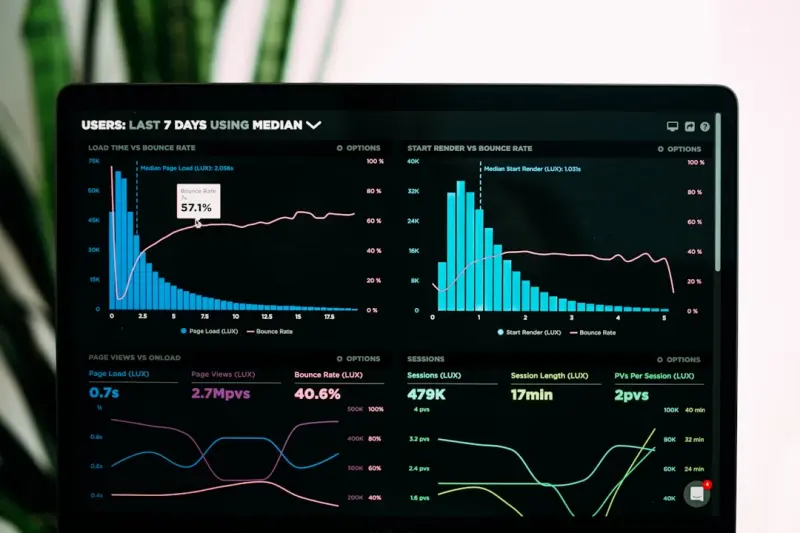
The Human‑Centric Data Playbook That’s Redefining Digital Marketing
A fresh approach to digital marketing puts people before pixels, leveraging privacy‑first data, ed... Read More
Top Posts
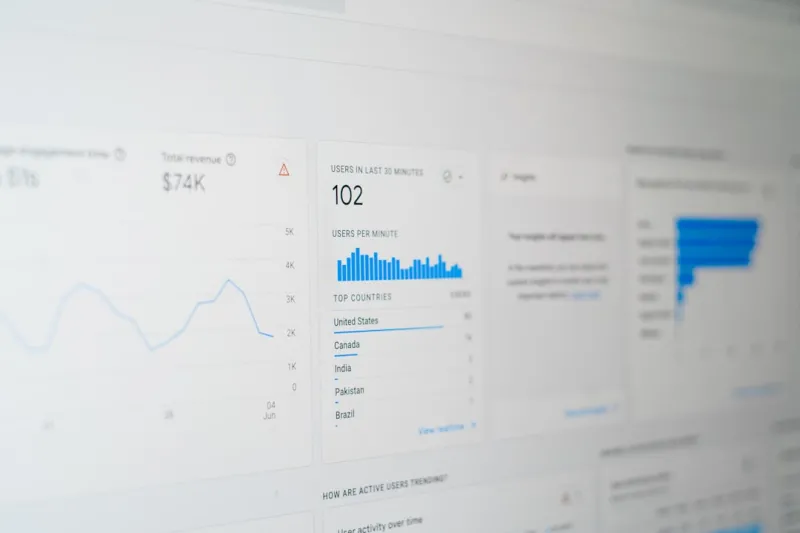
Riding Google’s AI Wave: A Marketer’s Playbook for Staying Human
Explore a marketer’s insider guide to using Google’s AI tools while preserving brand authenticity, balancing data with human storytelling for real impact....Read More
Semantic Clustering: The New Frontier for SaaS SEO
Semantic clustering reorganizes your content into cohesive topic hubs, boosting authority and relevance for SaaS sites. This guide shows how to build, measure, ...Read More

Edge Computing and Zero Trust: Redefining SaaS Delivery
A deep dive into why edge computing paired with zero‑trust security is the next essential strategy for SaaS providers seeking lower latency, cost savings, and...Read More

Why Audio‑First Marketing Is the Next Frontier for SaaS Brands
Audio is emerging as a primary channel for SaaS brands to build trust and drive growth. This post explores why sound matters, the formats to use, integration ta...Read More
0 Comments
Post Comment
You will need to Login or Register to comment on this post!