

When I first swapped my office desk for a battered suitcase, I thought the biggest challenge would be learning to navigate foreign train stations and decipher menu cards in languages I barely spoke. What I didn’t anticipate was the subtle, almost invisible tug‑of‑war between staying truly present in a new place and the constant hum of digital life that follows us everywhere. In this post, I’ll share the mindset, tools, and habits that turned my wanderlust into a sustainable, deeply immersive travel experience—without sacrificing the productivity I need to keep my SaaS projects humming.
1. Redefine “Productivity” on the Road
Back at the office, productivity is measured in tickets closed, code deployed, or meetings run. On the road, the definition shifts. It becomes about learning from each culture, building genuine connections, and maintaining mental clarity that fuels creativity when I return to my laptop. I stopped treating my travel days like an extension of my work calendar and started treating them as a series of intentional experiments.
- Experiment 1:Morning immersion – I set aside the first two hours after waking to explore the immediate neighborhood on foot, coffee in hand, no screens.
- Experiment 2:Digital sunset – I turn off all notifications an hour before sunset, allowing the natural light to cue my brain that it’s time to unwind.
- Experiment 3:Skill‑swap sessions – I schedule short meet‑ups with locals to exchange a skill (my coding basics for their cooking tips) and document the experience in a travel journal.
These small shifts have turned my itineraries into a living lab for personal growth, and they’ve also given me fresh case studies for my SaaS work—showing how real‑time feedback loops can improve product development.
2. Harness Real‑Time Tech Without Getting Hooked
There’s a fine line between using technology as a travel aid and becoming a captive audience for endless alerts. A friend once recommended I read Edge Computing: The Real‑Time Engine Driving Modern SaaS to understand how low‑latency data can power better experiences. I took that principle on the road.
Instead of relying on cloud‑heavy apps that drain battery and data, I switched to edge‑enabled tools that process information locally on my phone. For example:
- Offline maps with pre‑loaded vector tiles – they load instantly, even in subway tunnels.
- Local language translators that run on‑device, keeping conversations private and fast.
- Real‑time air quality sensors that alert me before I step outside a polluted street, preserving my health for those long hikes.
By keeping the data processing close to the source, I reduce reliance on spotty Wi‑Fi, save battery, and stay present. It’s a tiny application of a massive SaaS principle, proving that the same architecture that powers enterprise platforms can make travel smoother and more sustainable.
3. Guard Against Digital Fatigue
Travel is inherently sensory‑rich, yet the very devices that help us navigate can also drain our energy. I was reminded of Why Your Screens Are Stealing Your Energy (And What to Do About It) during a night in a remote mountain village. The glow of my phone was stealing the calm I’d hoped to find in the starry sky.
Here’s how I reclaimed my focus:
- Screen‑time budgeting: I allocate a maximum of 30 minutes per day for email and social media, using built‑in timers to enforce it.
- Blue‑light filters: I set my device to “Night Shift” mode automatically at sunset, which preserves melatonin production and helps me sleep better in unfamiliar time zones.
- Physical detachment zones: In every accommodation, I designate a “no‑screen corner” where I read a paperback, sketch, or simply watch the street life unfold.
These tactics keep my mental bandwidth open for the richer experiences travel offers, and they’ve become a part of my personal productivity framework that I now share with my SaaS teams.
4. Choose Sustainable Paths Without Compromise
Many travelers think sustainable travel means sacrificing comfort or excitement. I disagree. The key is to integrate sustainability into the adventure, not treat it as an afterthought.
Here are my go‑to strategies:
- Train over plane: For distances under 800 km, I opt for regional rail. It’s often faster when you factor in airport security, and it lets me enjoy scenery that would otherwise be missed.
- Eco‑friendly lodging: I prioritize hotels with certified green practices—energy‑efficient lighting, water‑saving fixtures, and waste reduction programs. A quick search on a sustainability rating app usually gives me a shortlist.
- Local food sourcing: Instead of tourist‑trap restaurants, I seek out markets where vendors sell produce from nearby farms. It supports the community and gives me fresher meals.
- Leave‑no‑trace activities: When hiking, I follow the “7 Rs” (Refuse, Reduce, Reuse, Repair, Repurpose, Rethink, Respect) to minimize impact on fragile ecosystems.
These choices not only reduce my carbon footprint but also deepen my connection to each destination. When I sit down for a meal that’s been harvested just hours away, I feel an immediate link to the land and its people.
5. Curate a Travel‑Friendly Knowledge Base
Just as SaaS teams build knowledge bases for internal use, I’ve built a lightweight, searchable repository of travel insights. It lives in a markdown‑based note‑taking app that syncs across devices. Each entry includes:
- Location tags (city, region, country)
- Experience type (cultural, adventure, culinary)
- Key takeaways (what worked, what didn’t, hidden gems)
- Links to local resources (official tourism sites, community groups)
This system lets me quickly retrieve information when planning the next leg of my journey, and it serves as a reusable template for my team when we need to research new markets. The principle mirrors the knowledge‑management strategies we champion in SaaS, proving that good information architecture is universal.
6. Build Community, Not Just Followers
One of the biggest lessons from my travels is the power of genuine community. While I’m still an avid reader of micro‑moments & short‑form video trends in marketing, I’ve learned that real‑world relationships outlast any algorithm.
In each city, I look for meet‑ups that align with my professional interests—tech talks, coworking spaces, or local hackathons. By showing up in person, I break down the digital barrier and forge trust that translates into richer collaborations back home. The experience echoes the insights from Why Community‑First Marketing Beats Funnel‑First in SaaS, where authentic engagement beats superficial outreach every time.
7. Embrace the Unplanned
Finally, the most transformative part of travel is learning to love the unknown. I schedule “open‑slot” days—no itinerary, no reservations. I wander, ask locals for recommendations, and let serendipity dictate my path. These moments often become the most memorable stories, and they teach me a valuable SaaS lesson: flexibility breeds innovation. When a product roadmap is too rigid, you miss the opportunities that arise from unexpected user feedback.
On my last trip to a coastal town, a spontaneous invitation to a traditional boat‑building workshop turned into a three‑day deep dive into maritime heritage. I left with not only a beautiful wooden figurine but also a fresh metaphor for building robust, modular software—each piece must be strong on its own yet seamlessly integrate with the whole.
Conclusion: Travel as a Continuous Experiment
Travel isn’t a vacation; it’s a living laboratory where the principles of sustainable living, real‑time technology, community building, and knowledge management converge. By treating each journey as an experiment—complete with hypotheses, data collection, and iteration—I’ve elevated my trips from mere sightseeing to purposeful, growth‑driven experiences.
If you’re a SaaS professional yearning for a break that fuels both personal and professional development, I encourage you to pack light, travel wisely, and let the world become your next great case study.

Dale Peterson is a freelance writer with a passion for technology, travel, law and personal finance. With 10 years of experience crafting compelling and informative content, he's dedicated to delivering high-quality writing for Blogging Fusion that engages audiences and achieves specific goals.
Related Posts

Micro‑Escapes: The Power of Ultra‑Short Getaways in a Hyper‑Connected World
Micro‑escapes—brief, purposeful trips lasting a few hours to a weekend—are reshaping travel an... Read More

Scent, Sound, and Flavor: Crafting a Sensory Travel Experience
Explore the power of scent, sound, and local markets to craft immersive travel experiences that ling... Read More
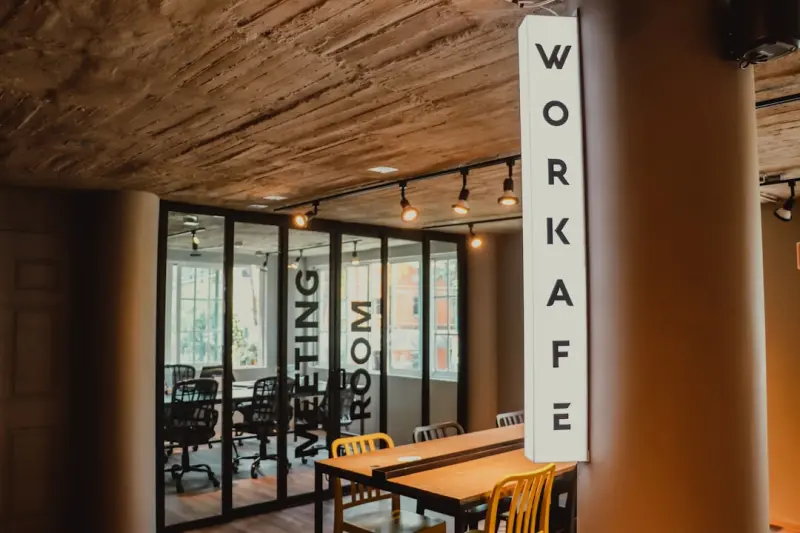
The Workcation Revolution: Blending Business and Bliss for Modern Travelers
A deep dive into the rise of workcations, showing how merging work and leisure can enhance performan... Read More
Top Posts

Prompt Engineering: The Strategic Asset B2B SaaS Can’t Ignore
Prompt engineering is emerging as the missing link between AI capabilities and real business outcomes. Learn how to build a prompt library, embed a prompt‑fir...Read More

Dynamic Email Sequencing: How Adaptive Journeys Outperform Static Campaigns
Explore the power of adaptive email journeys, from data unification to AI‑driven content sequencing, and learn a step‑by‑step roadmap to elevate your camp...Read More

How to Keep Your Brand Human While Riding Google’s AI Wave
Discover how to balance data-driven AI from Google with authentic storytelling, ensuring your brand remains human and engaging in an automated digital landscape...Read More

Breathing Beyond the Boardroom: Simple Practices to Boost Health and Performance
Learn how easy breathwork can lower stress, improve focus, and increase productivity for SaaS professionals, with actionable tips, data‑driven insights, and w...Read More
0 Comments
Post Comment
You will need to Login or Register to comment on this post!