
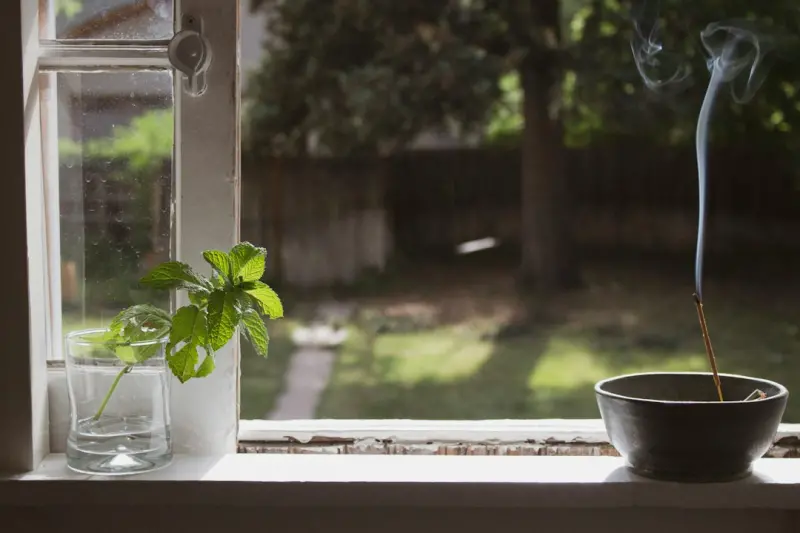
Why Indoor Air Matters More Than You Think
When most of us think about “home upgrades,” our minds jump straight to fresh paint, new furniture, or that sleek smart thermostat we’ve been eyeing. I’m Karen Edwards, and after a decade of juggling remote work, kids’ homework, and the occasional home‑office Zoom mishap, I’ve learned that the most transformative upgrade is invisible: the air we breathe. A subtle shift in indoor air quality can lift moods, sharpen focus, and even keep those pesky allergies at bay. Below is my tried‑and‑true roadmap to turning any space—from cramped studio apartments to sprawling family homes—into a breath‑of‑fresh‑air sanctuary.
1. Start With a Simple Air Audit
Before you splurge on gadgets or overhaul your HVAC system, take a quick inventory of what’s already happening inside your walls. Grab a notebook (or your favorite notes app) and walk through each room, noting:
- Odor sources: Cooking smells, pet dander, moldy corners.
- Ventilation patterns: Which windows stay closed? Where do drafts sneak in?
- Humidity levels: Do you notice condensation on windows? Is the air dry enough to make your skin feel tight?
This audit doesn’t require a fancy device—just a keen observation. The insights you gather will guide which of the following strategies will have the biggest impact in your specific environment.
2. Embrace Natural Ventilation (And Keep It Stylish)
Opening a window might sound like the most basic tip on the internet, but it’s also one of the most effective. Fresh air exchange reduces carbon dioxide buildup, which can cause fatigue and brain fog. Here’s how to make it a habit without sacrificing aesthetics:
- Cross‑ventilation: Open windows on opposite sides of a room for a gentle breeze that sweeps through.
- Timed openings: Set a timer on your phone for 10‑15 minutes each morning and evening—just enough to refresh without compromising temperature control.
- Decor‑friendly screens: Use decorative window screens or sheer curtains that allow airflow while maintaining privacy and style.
If you’re in a climate where outdoor air isn’t always pleasant, consider Smart Zoning Ideas to isolate workspaces from areas that need more ventilation.
3. Harness the Power of Houseplants
Plants do more than add a pop of green—they act as natural air purifiers. While the classic “NASA Clean Air Study” highlighted a handful of species, you don’t need a jungle to see benefits. Here are my favorites for low‑maintenance, high‑impact air cleaning:
- Spider Plant (Chlorophytum comosum): Excellent at removing formaldehyde and easy to propagate.
- Snake Plant (Sansevieria trifasciata): Thrives on neglect and converts CO₂ to O₂ at night—perfect for bedrooms.
- Peace Lily (Spathiphyllum): Absorbs mold spores and adds a touch of elegance with its glossy leaves.
Place a few pots near windows or on the tops of bookshelves. Just remember to dust the leaves weekly; a clean leaf surface maximizes the plant’s ability to filter pollutants.
4. Control Humidity the Smart Way
Humidity is a double‑edged sword. Too high, and you risk mold; too low, and dry air irritates skin and respiratory passages. Aim for a balanced 40‑60% relative humidity. Here’s how to maintain it without breaking the bank:
- Use a hygrometer: These inexpensive devices give you real‑time feedback.
- Strategic humidifiers: Place a compact ultrasonic humidifier in rooms where you spend the most time—like the office nook or bedroom.
- DIY moisture absorbers: Bowls of rock salt or charcoal briquettes naturally draw excess humidity in damp basements.
5. Upgrade Your Filters—A Small Change with Big Returns
Most households have an HVAC or furnace system, but the filter is often overlooked. A clogged filter circulates dust and allergens right back into the rooms you’re trying to clean. Switch to a high‑efficiency MERV‑13 filter (or the highest your system allows) and replace it every 3‑4 months. If you don’t have central air, consider portable HEPA air purifiers in high‑traffic zones like the living room or home office.
6. Bring the Outdoors In With Seasonal Refreshes
Every season offers a natural cue to reset your home’s air quality:
- Spring: Open windows after a rainstorm to let in fresh, oxygen‑rich air; rotate your indoor plant lineup to match daylight changes.
- Summer: Use fans to create cross‑drafts, and consider a cool‑mist humidifier if indoor air feels dry from A/C.
- Fall: Swap scented candles for essential‑oil diffusers with eucalyptus or pine, which can support respiratory comfort.
- Winter: Keep a small container of baking soda on windowsills to absorb odors; run a short ventilation burst before bedtime to prevent stale air buildup.
7. Tackle Hidden Pollutants With Simple DIY Solutions
Some of the most harmful indoor pollutants are invisible and come from everyday items:
- Cooking fumes: Install a range hood that vents outdoors; if that’s not possible, run an exhaust fan while cooking.
- Cleaning chemicals: Switch to vinegar, baking soda, and citrus‑based cleaners—effective, non‑toxic, and budget‑friendly.
- Carpet dust: Vacuum with a machine equipped with a HEPA filter; steam‑cleaning once a season helps lift trapped particles.
8. Light It Right—Because Light Influences Air Perception Too
While we’re focusing on air, the quality of light in a space subtly affects how we perceive freshness. Bright, natural light encourages us to open windows and ventilate. If natural light is limited, opt for full‑spectrum bulbs that mimic daylight. Check out Home Light Strategies for deeper insights on aligning illumination with wellness goals.
9. Quiet, But Not Silent: Pair Air Improvements With Sound Solutions
Good air and good sound go hand‑in‑hand when creating a calm environment. While you’re already improving ventilation, consider adding simple acoustic tweaks—like plush rugs or wall hangings—to dampen echo without sealing the room completely. For a budget‑friendly approach, see Budget‑Friendly Soundproofing Tips. The goal isn’t total silence, but a balanced acoustic backdrop that lets you focus and relax.
10. Make Maintenance a Habit, Not a Chore
All the tricks in the world won’t stick if they’re only applied once. Here’s a quick weekly checklist to keep your air thriving:
- Dust surfaces (including plant leaves) – 10 minutes.
- Open windows for a short ventilation burst – 5 minutes.
- Wipe down high‑traffic floor mats and entryways – 5 minutes.
- Check humidity levels and adjust humidifier or absorber as needed – 2 minutes.
Set a recurring reminder on your phone or calendar; within a month, it becomes second nature.
11. When to Call in the Professionals
Sometimes DIY isn’t enough. If you notice persistent mold, a lingering chemical smell, or persistent allergic reactions despite your best efforts, it may be time for a professional assessment. Air‑quality testing kits can provide a baseline, but certified indoor‑environment consultants can pinpoint hidden sources like faulty ductwork or radon.
Wrap‑Up: Your Home, Your Breath, Your Life
Improving indoor air isn’t a one‑off project; it’s an ongoing lifestyle upgrade. By combining natural ventilation, strategic plant placement, mindful humidity control, and occasional tech boosts, you’ll notice sharper focus, calmer evenings, and fewer sneezes. Remember, the best changes are the ones you can sustain with a smile—and maybe a cup of tea in hand.

Karen Edwards is a seasoned freelance writer with a passion for all things furry, feathered, and scaled. With a dedicated focus on pets, she brings a wealth of knowledge and a keen eye for detail to her writing.
Related Posts

Micro‑Zoning Your Home: Tiny Zones, Big Impact
Learn the art of micro‑zoning—breaking your home into purposeful, bite‑sized zones that boost ... Read More
Turn Your Hallway Into a Home‑Office Power‑Hub
Discover a step‑by‑step guide to converting an underused hallway into a sleek, productivity‑bo... Read More

Brighten and Quiet Your Home: Simple Light and Sound Hacks for Everyday Comfort
Learn how to amplify natural light, upgrade artificial lighting, and silence unwanted noise with sim... Read More
Top Posts

Riding the Google AI Wave: A Marketer’s Insider Perspective
Explore how Google’s AI surge is transforming marketing—from search intent to ad automation. Learn insider strategies to harness the wave and future‑proof...Read More

Zero‑Click SEO: Turning Featured Snippets into SaaS Leads
Zero‑click searches dominate modern SERPs, turning featured snippets into prime real‑estate for SaaS brands. Learn how to structure content, use schema, and...Read More

The Quiet Revolution: Generative AI as Your SaaS Onboarding Co‑Pilot
Generative AI serves as a silent co‑pilot in SaaS onboarding, delivering contextual, personalized assistance at scale, freeing human teams for high‑impact w...Read More

Riding Google’s AI Wave: A Human‑First Marketer’s Playbook
Explore Rose DesRochers’ human‑first playbook for mastering Google’s AI wave, balancing cutting‑edge technology with genuine brand connection....Read More
0 Comments
Post Comment
You will need to Login or Register to comment on this post!