

Why Voice‑First SEO Is the Next Frontier for B2B SaaS
When I first started tinkering with search engines, I thought the biggest challenge was cracking the keyword matrix. Fast‑forward a few years, and the landscape looks nothing like the old “keyword‑density” playbook. Today, the conversation has shifted from “what words do people type?” to “how do people speak?” and, more importantly, “how do AI assistants understand those spoken intents?” In the B2B SaaS world, where buying cycles are long and decision‑makers are pressed for time, voice‑first search is not a nice‑to‑have—it’s becoming a must‑have.
The Voice‑First Paradigm Shift
Voice assistants like Siri, Google Assistant, and Alexa have moved from the living room to the office desk, the car, and even the conference call. A single spoken query can trigger a cascade of actions: checking a calendar, pulling up a CRM record, or even ordering a software trial. For SaaS vendors, this means that the traditional “organic list” is now a conversational interface that users expect to be accurate, fast, and context‑aware.
- Conversational intent: Users phrase questions naturally—“What’s the best way to secure my API?”—instead of typing “API security SaaS”.
- Zero‑click results: Voice assistants often read out a single answer without ever showing a SERP, shifting the SEO goal from clicks to “spoken impressions”.
- Contextual continuity: An assistant can remember previous interactions, so the next query builds on the prior one (“Show me that pricing plan”).
These dynamics demand a new SEO strategy that goes beyond traditional on‑page optimization.
Building an Entity‑Centric Knowledge Graph
Search engines are getting smarter about entities—people, products, concepts—and the relationships between them. For a SaaS company, that means modeling your platform, features, and integrations as distinct entities that can be recognized by voice assistants.
Start by mapping out a knowledge graph that includes:
- Core product names and versions
- Key features (e.g., “real‑time analytics”, “role‑based access control”)
- Industry verticals you serve
- Common integration partners (CRM, ERP, BI tools)
Once you have this map, feed it into structured data markup (JSON‑LD) on your site. Search engines will then be able to surface precise answers when a user asks, “Does Acme Analytics integrate with Salesforce?” The more granular and accurate your markup, the higher the chance of being selected for a spoken answer.
Optimizing for Conversational Long‑Tail Queries
Voice queries tend to be longer and more natural. Instead of targeting “API security”, you might aim for “How can I protect my API endpoints in a multi‑tenant SaaS environment?” This shift has two implications:
- Content depth: Blog posts, whitepapers, and help docs need to answer these full‑sentence questions comprehensively. Think of each piece as a mini‑FAQ that anticipates spoken phrasing.
- Semantic relevance: Use natural language processing (NLP) tools to identify the entities and intent behind these questions. Then weave those terms naturally into headings, subheadings, and body copy.
For example, a post titled “How to Secure Multi‑Tenant APIs in SaaS” can target the spoken query “How can I protect my API endpoints in a multi‑tenant SaaS environment?” without feeling forced.
Core Web Vitals: The Silent Voice Signal
Voice assistants care about speed. While they don’t display page load times, they still evaluate the same performance metrics that Google uses for ranking. A laggy page can cause the assistant to skip your answer in favor of a faster competitor.
Focus on:
- LCP (Largest Contentful Paint): Aim for under 2.5 seconds.
- FID (First Input Delay): Keep it below 100 ms.
- CLS (Cumulative Layout Shift): Target a score under 0.1.
Investing in a CDN, lazy‑loading images, and compressing JavaScript will not only improve human user experience but also boost your voice‑first SEO.
Leverage Structured Data for Rich Answers
Google’s Privacy Sandbox has introduced new APIs that replace third‑party cookies with cohort‑based signals. While that change is primarily about advertising, it also affects how structured data is surfaced in voice results. By providing FAQ, How‑To, and Product schema, you give Google the exact data it needs to craft a concise spoken answer.
Here are three schema types that work well for SaaS:
- FAQPage: Answer common support questions (e.g., “How do I reset my API key?”).
- Product: Detail pricing tiers, trial periods, and key features.
- HowTo: Break down setup steps for complex integrations.
When an assistant reads these answers, it often credits the source, driving brand awareness even without a click.
Measuring Voice‑First Success
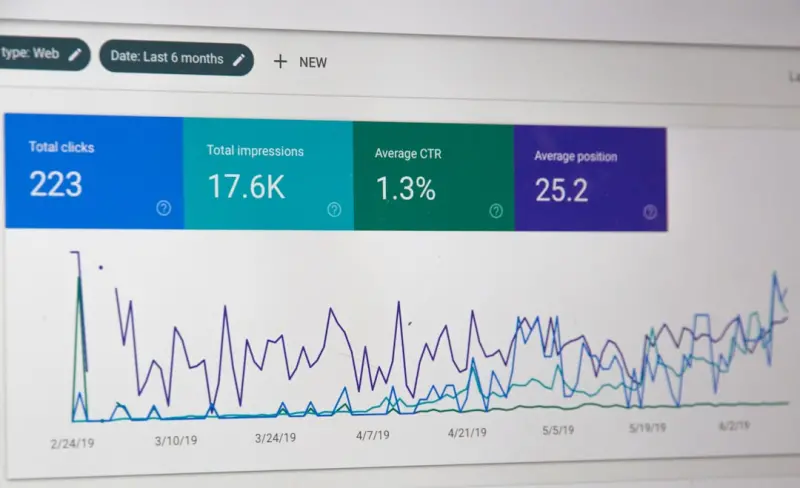
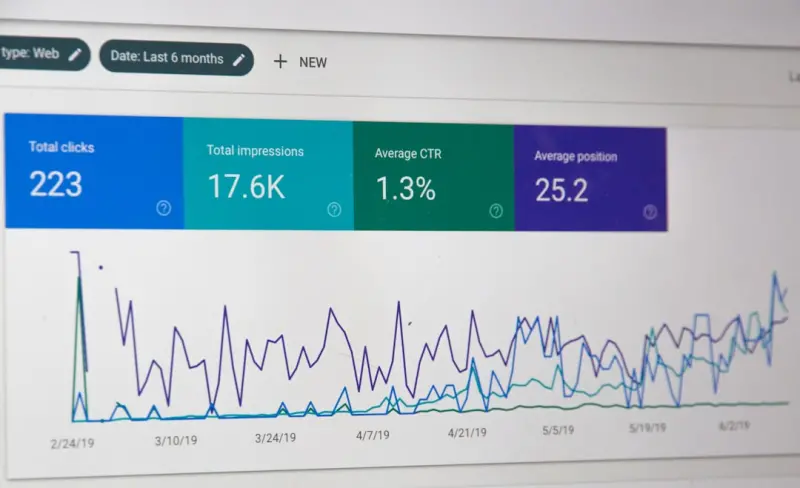
Traditional SEO dashboards focus on clicks, impressions, and CTR. For voice, you need new KPIs:
- Spoken impressions: The number of times your content is read aloud by an assistant.
- Answer selection rate: How often your markup is chosen over competitors.
- Engagement lift: Post‑voice actions such as email sign‑ups or demo requests.
Tools like Google Search Console now surface “Average Position” for featured snippets, which can be a proxy for spoken answers. Additionally, monitor your server logs for user‑agent strings that indicate voice traffic (e.g., “Googlebot‑Audio”).
Content Formats That Shine in Voice
Not all content is equally voice‑friendly. Here’s what tends to perform best:
- Concise bullet lists: “What are the top three security features of Acme SaaS?” yields a quick three‑point answer.
- Step‑by‑step guides: Voice assistants excel at delivering sequential instructions.
- Glossaries: Defining industry jargon helps assistants explain terms on the fly.
Conversely, long‑form narratives without clear headings can be ignored by voice parsers. Use semantic headings (H2, H3) that echo natural questions.
Integrating Voice SEO with Existing Strategies
Don’t treat voice as a siloed channel. Align it with your broader SEO, content marketing, and product positioning:
- Keyword research tools: Look for “question” modifiers (who, what, how, why) and filter for longer phrases.
- Content audits: Identify high‑traffic pages that lack structured data and prioritize them for voice optimization.
- Cross‑channel promotion: Mention your voice‑ready resources in webinars, newsletters, and LinkedIn posts to drive initial traffic and signal relevance.
When you integrate voice into the existing funnel, you’ll see a smoother transition from spoken query to demo request.
Real‑World Example: Turning a Feature Page into a Voice Asset
Consider a SaaS platform that offers “automated data enrichment”. The traditional page might read:
“Our solution enriches your raw data by cross‑referencing multiple third‑party sources, delivering real‑time insights…”
To make this voice‑ready, you would:
- Add a
<script type="application/ld+json">block with Product schema, includingname,description, andoffers. - Insert an FAQ section answering: “How does automated data enrichment work?” and “What sources are used for enrichment?”
- Rewrite the intro as a concise answer: “Our platform enriches data by instantly matching it with over 150 verified sources, giving you real‑time insights without manual effort.”
When a user asks, “How does Acme’s data enrichment work?”, the assistant can read the succinct answer, attribute it to your brand, and provide a link for further exploration.
Future‑Proofing: The Role of Generative AI in Voice SEO
While we’re steering clear of generative AI in SaaS development as a primary topic, it’s impossible to ignore its impact on voice. Large language models (LLMs) are now the engines behind many assistants. They can synthesize information from multiple sources, meaning your content must be both authoritative and well‑structured to be chosen.
Two practical steps:
- Maintain an up‑to‑date knowledge base that LLMs can crawl. Consistency across pages signals reliability.
- Use AI‑assisted content tools to simulate spoken queries and test how well the generated answer aligns with your intended messaging.
By treating your site as a “knowledge hub” rather than a sales brochure, you increase the likelihood that generative assistants will surface your brand in voice interactions.
Action Plan: 7 Steps to Get Voice‑Ready Today
- Audit existing schema: Identify pages missing structured data and implement JSON‑LD for FAQ, HowTo, and Product.
- Map conversational queries: Use tools like AnswerThePublic to collect natural‑language questions related to your niche.
- Produce bite‑sized content: Write dedicated answer pages (300‑500 words) that directly address each question.
- Optimize Core Web Vitals: Run Lighthouse audits and fix performance bottlenecks.
- Monitor voice metrics: Track spoken impressions via Search Console and user‑agent logs.
- Cross‑link to existing assets: Connect new voice pages to your blog, case studies, and product demos.
- Iterate with AI insights: Periodically feed your content into an LLM to see how it would answer the same queries and refine accordingly.
By following this roadmap, you’ll not only capture the emerging voice market but also reinforce your overall SEO authority.
Conclusion: Voice Is Not the Future—It’s the Present
In the fast‑moving B2B SaaS arena, waiting for voice search to become “mainstream” is a risk you can’t afford. Decision‑makers are already using assistants to cut through the noise and get answers in seconds. If your brand isn’t optimized for that moment, you’re handing the conversation to a competitor.
Embrace the voice‑first mindset: think in entities, structure your data, and write for the way people actually speak. The result? Higher visibility in the emerging conversational SERP, more qualified leads, and a brand that feels as natural as a human conversation.

Paul Flynn is a versatile freelance writer equipped with a diverse skillset and a portfolio that reflects his wide-ranging interests and expertise. From crafting compelling website copy and engaging blog posts to delivering in-depth articles and meticulously researched reports, Flynn demonstrates a remarkable ability to adapt his writing style to suit various audiences and purposes.
Related Posts

Capturing Micro‑Moments: Real‑Time SEO for Instant Intent
Learn to dominate micro‑moments with actionable, real‑time SEO strategies that capture instant u... Read More

From Keywords to Intent: Building an SEO Strategy That Predicts What Users Really Want
Learn the step‑by‑step method for turning search intent into a powerful SEO engine—clusters, S... Read More

Zero-Click Search: Winning the SERP Without a Click
Zero‑click search is reshaping SEO. Discover practical tactics—from answering queries directly t... Read More
Top Posts
Visual Search: Unlocking New SEO Opportunities for SaaS
This post explores why visual search is the next frontier for SaaS SEO, offering a step‑by‑step strategy to audit, optimize, and leverage images—and even ...Read More

Designing a Sensory Reset Hub: Tiny Spaces That Recharge Your Day
Discover how to build a small, purpose‑driven sensory reset hub in your home—combining light, scent, sound, and tactile elements—to quickly recharge your ...Read More
Unlocking Google’s Knowledge Graph: A SaaS Growth Engine You’ve Been Ignoring
Discover how to tap into Google’s Knowledge Graph with schema markup, partnership mapping, and ABM insights, turning hidden data into a powerful growth engine...Read More

Scent, Sound, and the Subtle Science of Everyday Mood Boosts
Explore how simple scent and sound strategies can transform your daily mood and focus, offering practical, low‑effort ways to boost wellbeing at work and home...Read More
0 Comments
Post Comment
You will need to Login or Register to comment on this post!