
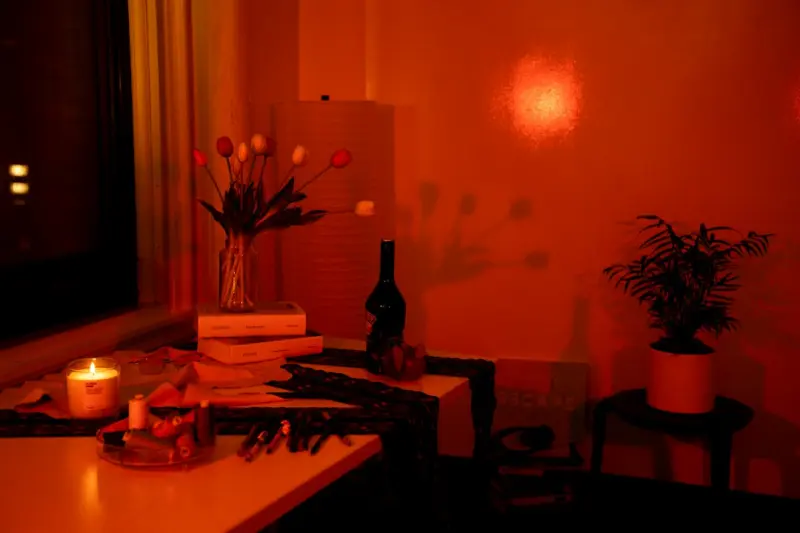
Why Light Is the Unsung Hero of Everyday Health
When we think about health, the conversation often jumps to diet, exercise, and sleep. Yet there’s a silent influencer humming in the background of every room we occupy: light. Not just the brightness that lets us read a label, but the quality, timing, and spectrum of light that subtly nudges our circadian rhythm, hormone balance, and even our stress levels. In my years of consulting for tech‑driven businesses, I’ve watched teams burn out under harsh fluorescent glare and thrive when natural light floods their workspaces. The lesson is clear—light is a health lever we can tune, and the payoff is measurable.
The Science Behind Ambient Lighting
Our bodies evolved under a sky that painted the day in a gradient of blues, yellows, and deep reds. Photoreceptors in the retina—especially the intrinsically photosensitive retinal ganglion cells (ipRGCs)—feed this information to the suprachiasmatic nucleus, the brain’s master clock. When we expose ourselves to blue‑rich light in the morning, melatonin production is suppressed, cortisol spikes just enough to wake us up, and alertness surges. Conversely, exposure to warm, low‑intensity light in the evening signals the body to wind down, easing the transition to sleep.
Research shows that misaligned lighting can lead to:
- Disrupted sleep patterns and reduced REM quality.
- Elevated cortisol, contributing to chronic stress.
- Impaired glucose metabolism, a hidden risk factor for type 2 diabetes.
- Lowered mood, with links to seasonal affective disorder (SAD).
These outcomes aren’t abstract; they manifest in missed deadlines, foggy thinking, and a lingering sense of fatigue that many of us chalk up to “busy days.” The good news? Light is one of the easiest variables to adjust.
Practical Steps to Optimize Your Home Lightscape
Below is a step‑by‑step playbook you can roll out without hiring an interior designer or blowing a hole in your budget.
1. Map Your Daylight Flow
Start by observing where natural light enters your home. Notice which rooms get sunrise, midday, and sunset exposure. Sketch a quick diagram or use a free smartphone app that tracks sun paths. This map will guide where you place workstations, reading nooks, and relaxation zones.
2. Prioritize Blue Light in the Morning
For the first two hours after waking, position your desk near a window or use a full‑spectrum lamp that mimics daylight (around 5,000–6,500 K). If windows are scarce, a DIY home energy audit can reveal insulation gaps that block light; sealing those gaps not only conserves energy but also boosts natural illumination.
3. Dim the Day for Focus
Mid‑day work benefits from a balanced light level—bright enough to stay alert but not so harsh that it creates glare. Consider adjustable LED panels that let you dial in a neutral 3,500–4,000 K temperature. Pair them with task lighting that casts light directly on work surfaces, reducing eye strain.
4. Warm Down in the Evening
As the sun sets, shift to bulbs in the 2,700 K range or use smart bulbs that automatically transition to warmer hues at 7 p.m. This “warm‑down” routine signals the brain to start melatonin production. A subtle ritual—like turning off bright overhead lights and lighting a bedside lamp—can dramatically improve sleep latency.
5. Control Light Pollution
Even the tiniest light seepage from street lamps can interfere with deep sleep. Blackout curtains, eye masks, or smart blinds that close on a schedule can create a dark sanctuary for nighttime recovery. If you live in a high‑rise building, consider a modular storage hack that doubles as a light‑blocking panel—store items behind a sliding, opaque board that also seals out external glare.
6. Leverage Smart Controls
Automation isn’t just for temperature; it’s a powerful ally for lighting health. Smart hubs can sync with your calendar, dimming lights an hour before a scheduled bedtime or brightening them gently at wake‑up time. Some systems even integrate with wearables to adjust based on your detected activity level—a perfect crossover with the AI strategic co‑pilot mindset that personalizes environments in real time.
Beyond Bulbs: The Intersection of Light, Energy, and Well‑Being
Energy efficiency and health are not competing goals; they’re synergistic. An energy audit often uncovers outdated fixtures that waste electricity and emit suboptimal spectrums. Upgrading to LED solutions not only cuts utility bills but also offers precise control over color temperature and dimming—key levers for circadian alignment.
Moreover, reducing energy consumption lessens the load on the grid, indirectly lowering ambient pollution that can exacerbate respiratory issues. In this way, a mindful lighting strategy becomes a small but meaningful contribution to broader public health.
Mindful Design Meets Wellness: Integrating Light Into Lifestyle
Health isn’t a checklist; it’s an ecosystem of habits, environments, and choices. Here’s how to embed lighting into a holistic wellness routine:
- Morning Rituals: Pair a sunrise‑simulating lamp with a glass of water and light stretching. The cue of bright, cool light tells your brain, “It’s time to move.”
- Midday Breaks: Step outside for a 10‑minute walk in natural light. If a balcony isn’t an option, a bright, neutral‑tone desk lamp can serve as a proxy.
- Evening Wind‑Down: Dim all screens at least 30 minutes before bed, replace them with a soft amber reading lamp, and consider a brief meditation under low light.
- Weekend Reset: Use the extra daylight on weekends to re‑calibrate your home’s lighting—re‑arrange furniture to maximize sun exposure, replace any flickering bulbs, and test your smart schedules.
When you treat light as a habit‑forming cue rather than a static fixture, you’ll notice a ripple effect: clearer focus, steadier mood, and deeper sleep—all without adding a single supplement to your regimen.
The Bottom Line: Light Is a Low‑Cost, High‑Impact Health Hack
If you’ve ever felt “off” without a clear reason, scan your lighting environment first. Adjusting a few watts, swapping a bulb, or automating a schedule can yield returns that rival expensive wellness programs. In an age where we chase the next productivity app, sometimes the simplest tool is the one already perched on your ceiling.

Robert Mathews is a professional content marketer and freelancer for many SEO agencies. In his spare time he likes to play video games, get outdoors and enjoy time with his family and friends .
Related Posts
The Hidden Health Benefits of Structured Micro‑Breaks for Knowledge Workers
A personal guide from Michelle Fisher on why brief, structured pauses throughout the workday can tra... Read More

The Hidden Health Benefits of Digital Minimalism
Digital minimalism isn’t about abandoning tech; it’s about curating it to protect your gut, brai... Read More
Recharging Your Brain: Health Hacks for the Remote SaaS Professional
A data‑driven health playbook for remote SaaS workers, covering sleep quality, micro‑movement, n... Read More
Top Posts
Purpose‑First Marketing: Turning Values into a Growth Engine
Learn why purpose‑first marketing matters, how to embed authentic values into every campaign, and a step‑by‑step playbook to turn brand purpose into measu...Read More

Designing a Mobile “Productivity Oasis” for the Modern Traveler
Discover a step‑by‑step framework for building a “Productivity Oasis” on the road, blending habit, tech, and rhythm to stay focused and innovative while...Read More
Revitalize Your Space: A Seasonal Refresh Playbook for Modern Homes
A practical guide to seasonal home refreshes, covering airflow, purposeful décor, and smart sustainability, with easy weekly tasks and DIY projects....Read More

Why Building a Community‑First Engine Is the Ultimate Growth Hack for SaaS
A community‑first approach flips the traditional funnel, turning users into advocates, content creators, and data sources that fuel sustainable SaaS growth. T...Read More
0 Comments
Post Comment
You will need to Login or Register to comment on this post!