

Zero‑Party Data: The Untapped Goldmine for B2B Digital Marketers
When I first heard the term “zero‑party data,” I imagined a sci‑fi scenario where customers voluntarily upload their brainwaves to help us predict their next purchase. While we’re not quite there, the concept is far more grounded—and far more powerful—for B2B marketers who are tired of the endless chase for third‑party cookies and the murky waters of inferred data.
In this post, I’ll walk you through why zero‑party data is the new cornerstone of digital marketing strategy, how to collect it without sounding like a sales‑hype machine, and the concrete tactics you can deploy today to turn voluntary insights into measurable revenue. Buckle up; we’re about to shift from data‑driven to insight‑driven marketing.
What Exactly Is Zero‑Party Data?
Zero‑party data is information that a prospect or customer intentionally and proactively shares with a brand. This can be preferences, intent, feedback, or even future purchase plans. Unlike first‑party data (behavioural signals captured on your own site) or third‑party data (bought from external providers), zero‑party data is a direct, consent‑based gift from the buyer.
Think of it as a handshake—both parties know what’s being exchanged, and there’s clear value on both sides.
Why Zero‑Party Data Matters More Than Ever
- Privacy Regulations Are Tightening: With GDPR, CCPA, and emerging global privacy frameworks, the days of blanket tracking are fading fast. Zero‑party data sidesteps compliance headaches because it’s willingly provided.
- Signal Over Noise: In the ocean of digital touchpoints, behavioural data can be noisy and ambiguous. When a buyer tells you they’re evaluating a new ERP system, you have a crystal‑clear signal to act on.
- Higher Conversion Potential: Studies show that consumers who share their preferences are up to 30% more likely to convert because the brand can tailor the experience precisely to their stated needs.
- Builds Trust: Transparency in how you use the data fosters a relationship based on respect—not surveillance.
Common Misconceptions (And How to Avoid Them)
Before you dive head‑first into zero‑party data collection, let’s debunk a few myths that can derail your strategy.
- Myth: It’s Only for B2C. While retail brands have championed wish‑lists and style quizzes, B2B buyers are equally willing to share their tech stack pain points, budget windows, and project timelines—especially when they see immediate value.
- Myif: You Need Complex Tech. You can start with simple forms, surveys, or interactive quizzes embedded in your website or email. The tech stack grows as you scale, not the other way around.
- Myth: It’s Intrusive. When you frame the request as a way to save the buyer time or receive more relevant content, you’re actually providing a service.
How to Collect Zero‑Party Data Without Feeling Like a Sales Bot
Here are five proven tactics that let you ask for information while delivering value.
1. Intent‑Based Quizzes
Instead of a generic “What’s your industry?” dropdown, build an interactive quiz that helps prospects diagnose a problem. For example, a SaaS security vendor could ask:
- “What’s your biggest compliance headache today?”
- “Which of these security frameworks are you evaluating?”
The results can be a personalized report, instantly positioning you as a trusted advisor.
2. Preference Centers
Give users control over the type, frequency, and format of communications they receive. A well‑designed preference center not only captures topics of interest but also signals buying stage.
3. “Ask Me Anything” Sessions
Host live webinars where attendees submit questions in advance. Collect those questions and follow up with tailored content. The data you gather—pain points, budget timelines, decision‑maker roles—is pure zero‑party gold.
4. Product‑Fit Surveys
When a prospect downloads a whitepaper, follow up with a short 2‑question survey: “Which feature would most solve your current challenge?” and “When do you plan to implement a solution?” This double‑tap not only qualifies the lead but also gives you a timeline to act on.
5. Incentivized Feedback Loops
Offer a discount or exclusive content in exchange for a quick feedback form about your demo or trial experience. The key is to keep the incentive relevant, not just a generic coupon.
Turning Zero‑Party Data Into Actionable Campaigns
Collecting data is half the battle; the real magic happens when you feed it into your marketing engine.
Segment by Intent
Instead of traditional firmographic segmentation, create intent‑driven buckets: “Evaluating,” “Ready to Buy,” “Research Phase.” Tailor nurture streams accordingly—educational webinars for the research phase, ROI calculators for those evaluating, and case studies for the ready‑to‑buy group.
Dynamic Content Personalization
Leverage your website’s personalization layer to surface content based on the zero‑party data you have. If a prospect indicated interest in “cloud migration,” show them a cloud‑migration ROI tool on the homepage.
Predictive Scoring Enhancements
Integrate zero‑party signals into your lead scoring model. A prospect who explicitly says “We’re budgeting for Q4” should receive a higher score than one who merely visits a pricing page.
Sales‑Ready Alerts
Set up real‑time alerts for your SDRs when a prospect shares a concrete purchase timeline. A timely outreach can shave weeks off the sales cycle.
Feedback‑Driven Product Roadmaps
Zero‑party data isn’t just for marketing. Feed the insights back to product teams to prioritize features that customers explicitly request. This creates a virtuous loop of product‑market fit and brand advocacy.
Case Study: From Zero‑Party Insight to $1M Pipeline
One of our SaaS clients—an AI‑powered analytics platform—implemented a simple intent quiz on their blog. The quiz asked prospects about their data‑visualization challenges and projected implementation timeline. Within three months:
- They gathered 2,300 qualified leads, each with a clear intent score.
- Sales reps received real‑time Slack alerts for prospects planning to buy within 30 days.
- The targeted nurture sequence lifted conversion rates from 3% to 12%.
- The resulting pipeline contributed over $1 million in qualified opportunities.
This success underscores that zero‑party data doesn’t need a massive budget; it needs a thoughtful ask and a rapid response mechanism.
Integrating Zero‑Party Data With Existing Strategies
Zero‑party data isn’t a silo; it amplifies everything else you’re already doing.
Complementing Community‑First Marketing
If you’ve built micro‑communities (see our Community‑First Marketing guide), you already have a trusted space where members are comfortable sharing preferences. Use that trust to solicit deeper insights through polls and AMA sessions.
Enriching Audio‑First Campaigns
Podcasts and voice content can serve as a natural conduit for zero‑party data. Include a call‑to‑action at the end of an episode: “Tell us what challenges you’re facing in your supply chain, and we’ll send you a custom playbook.” Capture the response via a short form linked in the show notes. Check out our Audio‑First Playbook for more ideas.
Aligning With Predictive SEO
Zero‑party signals can also inform your content strategy. If many prospects indicate a need for “multi‑cloud cost optimisation,” create a pillar page around that topic. Your SEO team can then target long‑tail keywords with a higher likelihood of conversion, effectively marrying predictive SEO with real‑world intent.
Best Practices Checklist
- Make the value exchange crystal clear.
- Keep forms short—no more than 3‑5 fields.
- Use progressive profiling to gradually enrich data over time.
- Store data securely and be transparent about its use.
- Close the loop: always follow up with something valuable based on the data shared.
Future Outlook: Zero‑Party Data in a Cookieless World
As third‑party cookies disappear, the marketing ecosystem will increasingly reward brands that earn data the right way. Zero‑party data will become a competitive moat, separating companies that listen from those that shout.
In the next few years, we’ll likely see platforms building native zero‑party data capture tools—think LinkedIn’s “Ask Me Anything” extensions or HubSpot’s advanced preference centers. Early adopters who master the art of voluntary data collection will own the most accurate, high‑intent leads in the market.
Take Action Today
Don’t wait for the next regulation or technology shift. Start small: add a single quiz to a high‑traffic blog post, or roll out a preference center for your newsletter. Track the lift in engagement, feed the insights back to sales, and iterate.
Remember, zero‑party data is a conversation, not a transaction. When you treat it as such, the ROI speaks for itself.

Shawn DesRochers is a certified Microsoft technician and Programmer with 30+ year's experience. He has written many reviews on computer related products, software, and SEO related topics. When he's not writing reviews he can be found at one of the Oldest Directories Online Business Directory USA which he is the CEO of.
Related Posts

Conversational Storytelling: How Real‑Time Chat Boosts B2B Digital Marketing
Learn why conversational storytelling—blending real‑time chat, intent scoring, and dynamic narra... Read More

Audio SEO: Turning Podcasts into Powerful Search Engines for Brands
Learn to transform your brand’s podcast into a high‑impact SEO tool, leveraging searchable trans... Read More
Community‑First Strategies: The Hidden Growth Engine for SaaS Marketing
A community‑first mindset transforms your SaaS digital marketing from a series of paid pushes into... Read More
Top Posts
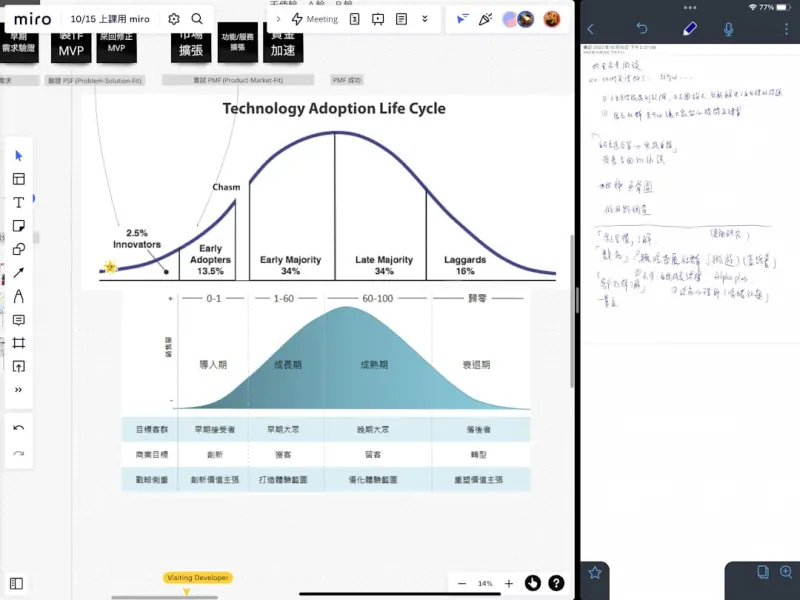
AI‑Powered Personal Knowledge Graphs: Building Your Digital Brain
Explore the rise of AI‑powered personal knowledge graphs, a dynamic way to organize information, protect privacy, and supercharge your creativity....Read More

Why Progressive Web Apps Are the New Frontier for SEO
Explore the rise of Progressive Web Apps in SEO, learn core web vitals strategies, structured data tactics, and actionable steps to dominate search rankings wit...Read More

When Screens Overwhelm: Reclaiming Human Health in the Digital Age
A practical guide that blends chronobiology, sensory hygiene, and movement integration to help remote workers and tech‑savvy professionals safeguard their hea...Read More

Breathing Easier at Home: How to Upgrade Your Remote Workspace Air Quality
Learn how to transform your home office into a healthier workspace with easy ventilation tricks, smart sensors, and plant power, all backed by data‑driven str...Read More
0 Comments
Post Comment
You will need to Login or Register to comment on this post!