
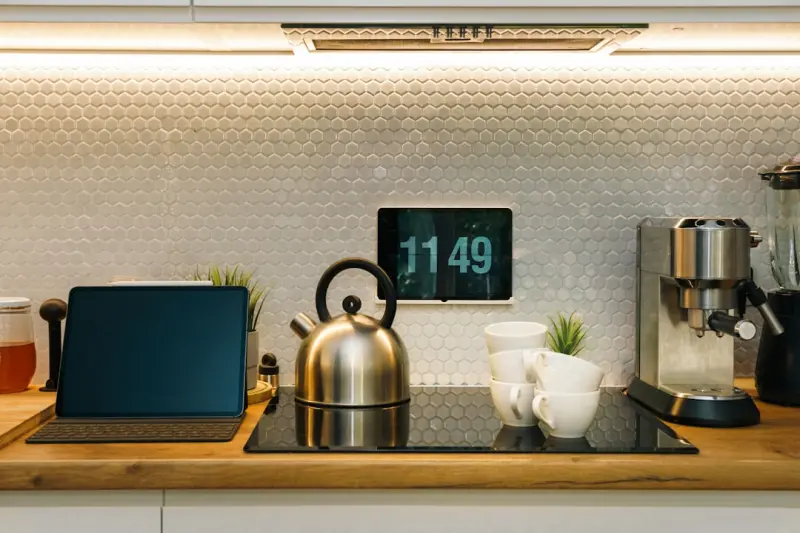
When I first swapped my office chair for a kitchen stool, I realized that the same data‑driven mindset that fuels SaaS growth can also overhaul the way we live at home. I’m not talking about installing a full‑blown smart‑home ecosystem (unless you’re already there). I’m talking about low‑cost, high‑impact tweaks that let you treat your house like a well‑engineered product—one that runs smoother, wastes less, and feels a lot more personal.
Reframe Your Home as a Living System
Every SaaS platform has a feedback loop. Users generate data, you analyze it, and you iterate. Your home can have the same loop, only the data points are a bit more tactile: the hum of your fridge, the temperature gradient across rooms, the frequency you restock pantry staples, or the number of times you have to chase a leaky faucet.
Start by asking yourself three questions each week:
- What’s costing me the most energy or time?
- Where do I experience the most friction?
- What small change could eliminate that friction?
Answering these questions turns vague “I need to improve my home” into concrete, testable hypotheses—just like a product sprint.
Audit Your Energy Footprint in 5 Minutes
The first data point you need is a quick energy audit. You don’t need a professional auditor; a smartphone app that reads your utility meter, or even the simple trick of checking the “kWh” reading on your electric panel, gives you a baseline.
Once you have that number, break it down by category:
- Heating & cooling: Usually 40‑50% of your bill.
- Appliances: The fridge, dishwasher, and washer/dryer are the next biggest culprits.
- Lighting: Even LED bulbs add up if they’re left on all day.
Now you have a heat map of where the biggest leaks are. From here, you can prioritize the low‑effort wins.
Low‑Tech Wins That Pack a Punch
Before you dive into pricey smart thermostats or AI‑powered lighting, try these simple hacks. They cost pennies, take minutes, and can shave 5‑15% off your energy bill.
1. Master the Art of Zonal Heating
Most homes heat or cool the entire house even when you only occupy one room. Use portable, energy‑efficient space heaters or fans to create “zones.” Pair a small ceramic heater with a programmable timer and you’ll notice immediate comfort without cranking the central system.
2. Seal the Drafts
Weatherstripping is cheap, but the savings are huge. Check doors and windows for gaps by holding a lit incense stick near the frame; if the smoke wavers, you have a leak. Apply self‑adhesive strips—most are under $10 per door—and you’ll see a noticeable temperature rise in just a few days.
3. Re‑think Your Fridge Layout
The fridge is a constant energy draw. Keep it at the manufacturer‑recommended 37‑40°F for the fridge and 0‑5°F for the freezer. Store frequently accessed items at eye level to reduce door opening time, and consider a simple “one‑day‑old” bin for leftovers to avoid repeated reheating.
4. Switch to Smart Power Strips
Even when appliances are “off,” they can draw “phantom” power. Plug devices into smart power strips that cut power after a set idle period. You’ll be surprised how many chargers, TVs, and coffee makers contribute to your baseline load.
5. Light the Way with Sensors
Motion-activated LED bulbs are a no‑brainer in hallways, bathrooms, and closets. They stay off when you’re not there, and modern sensors have adjustable delay timers so they don’t turn off while you’re still in the room.
Data‑Driven Decluttering: The “Inventory Sprint”
Clutter is the analog equivalent of technical debt. It slows you down, creates friction, and often forces you to buy duplicates. Adopt a sprint mindset: allocate a fixed time—say, one weekend—to inventory each room, categorize items, and decide on a disposition plan.
Use a simple three‑column spreadsheet (or a note‑taking app) with headings “Keep,” “Donate/Sell,” and “Discard.” As you sort, ask: “Will I use this in the next 90 days?” If the answer is no, it belongs in the “Donate/Sell” or “Discard” column. The result is a leaner home that’s easier to maintain and a mental load reduction that mirrors a clean codebase.
Micro‑Habits for Ongoing Maintenance
Just like continuous integration in software, small, frequent actions keep your home in top shape. Here are three micro‑habits you can embed into daily routines:
- 5‑Minute Nightly Reset: Before bed, do a quick sweep of the living area—put dishes in the dishwasher, fluff pillows, and turn off stray lights.
- Weekly Filter Check: Inspect HVAC filters every Sunday; a clogged filter reduces efficiency by up to 20%.
- Monthly Appliance Deep‑Clean: Run a vinegar‑water cycle in your dishwasher and a baking‑soda scrub in your washing machine. It extends lifespan and keeps performance consistent.
Leverage Your SaaS Toolkit at Home
Many of us already have powerful SaaS tools for work—project management boards, automation platforms, analytics dashboards. Repurpose them for household management.
1. Kanban for Chores
Create a simple board with columns “To‑Do,” “In‑Progress,” and “Done.” Assign tasks to family members, set due dates, and move cards as you complete chores. The visual flow reduces forgetfulness and adds a gamified element that motivates everyone.
2. Zapier‑Style Automations
Set up an automation that sends you a text when the dishwasher finishes a cycle, or when the washing machine reaches the spin phase. You can even link a smart plug to your coffee maker so it powers on when your alarm goes off, ensuring you start the day with a fresh brew without manual steps.
3. Dashboard for Home Metrics
Use a free dashboard tool (like Google Data Studio) to pull in data from your smart meters, water usage reports, or even manual entries for grocery spend. Visualize trends, set thresholds, and get alerts when you’re exceeding targets. The same data‑driven confidence you have at work now fuels smarter home decisions.
Smart Kitchen: The Intersection of Convenience and Sustainability
The kitchen is where we spend a lot of time, and it’s a prime candidate for efficiency upgrades.
Batch Cooking with a Twist
Plan a “cook‑once, eat‑multiple‑times” day, but add a data point: track the time saved versus the extra energy used. Use a pressure cooker for beans and grains, which cuts cooking time by up to 70%, then portion the food into reusable containers. This reduces both cooking energy and the mental load of daily meal decisions.
Zero‑Waste Storage
Invest in a set of glass jars with silicone seals. Store bulk staples—rice, pasta, nuts—in them. Not only does this cut down on plastic waste, but it also speeds up pantry organization. When you need to restock, a quick visual scan tells you exactly what’s low, preventing over‑buying.
DIY Airflow Enhancer
If you have a stovetop with a hood, improve its efficiency by placing a small, inexpensive metal reflector (a trimmed aluminum sheet) behind the hood. This directs more heat upward, improving capture rates without any smart‑home upgrade. The result is less lingering heat in your kitchen and reduced AC load later.
Quiet Zones: Acoustic Comfort Without Expensive Panels
Noise can be a hidden source of stress, especially if you work from home. While high‑end acoustic panels look great, you can achieve a similar effect with affordable materials.
- Rug Layers: Place a dense rug under a desk to absorb footfall and chair movement.
- Fabric Wall Hangings: Thick tapestries or quilts dampen echo, and you can swap them out for seasonal décor.
- Bookcase Buffers: A fully stocked bookshelf against a wall acts as a natural sound barrier, especially if the books are arranged tightly.
Seasonal Home Checklists: Your Quarterly Sprints
Just as SaaS teams have release cycles, schedule quarterly home sprints. Each sprint focuses on a theme—spring: HVAC cleaning; summer: outdoor irrigation; fall: insulation checks; winter: pipe protection. By compartmentalizing tasks, you avoid the overwhelm of “all‑year‑round maintenance” and ensure nothing falls through the cracks.
Connecting the Dots: From Home to Work
When you treat your living space as an evolving product, you’ll notice a spill‑over effect on professional performance. Less friction at home means more mental bandwidth for strategic thinking at work. In fact, many of my best micro‑training sessions happen while I’m brewing coffee in a kitchen that’s optimized for flow. The clarity gained from a tidy, efficient environment feeds directly into creative problem‑solving.
Final Thought: Iterate, Measure, Improve
The core of any SaaS success story is iteration. Your home doesn’t have to be perfect out of the gate; it just needs a systematic approach to continuous improvement. Start small, track the impact, and scale the wins. Over time, you’ll build a residence that feels as thoughtfully engineered as the platforms you love to build—only with more comfort, lower bills, and a healthier sense of balance.

Sanji Patel has dedicated 25 years to the SEO industry. As an expert SEO consultant for news publishers, he emphasizes providing both technical and editorial SEO services to news publishers worldwide. He frequently speaks at conferences and events globally and offers annual guest lectures at local universities.
Related Posts

Harvesting Sunlight: Home Tips for Brighter, Healthier Living Spaces
Learn how to transform any room using sunlight, mirrors, and clever design choices that lift mood, c... Read More
Build a Home Office Oasis That Boosts Focus and Calm
Learn how to design a home office that fuels focus and well‑being using strategic layout, lighting... Read More

Turn Your Kitchen Into a Stress‑Free Command Center
A step‑by‑step guide to turning a chaotic kitchen into a calm, efficient command center, featuri... Read More
Top Posts

Why Biofeedback Wearables Are the Next Frontier in Workplace Health
Biofeedback wearables turn physiological data into actionable insights, helping companies create a data‑driven health culture that improves focus, reduces str...Read More

How Generative AI Is Transforming SaaS Customer Success
Generative AI is moving SaaS customer success from reactive firefighting to proactive, data‑driven care. Learn how AI health scores, personalized onboarding, ...Read More

Reprogramming Your Body Clock: Mastering Circadian Rhythm in the Hybrid Workplace
Discover practical strategies to align your circadian rhythm with remote‑first work, leveraging light exposure, time‑restricted eating, and AI‑driven insi...Read More

Synthetic Data: The Unsung Hero Powering AI in B2B SaaS
Synthetic data is transforming AI development for B2B SaaS by providing privacy‑safe, high‑quality training sets that accelerate model building, reduce bias...Read More
0 Comments
Post Comment
You will need to Login or Register to comment on this post!