
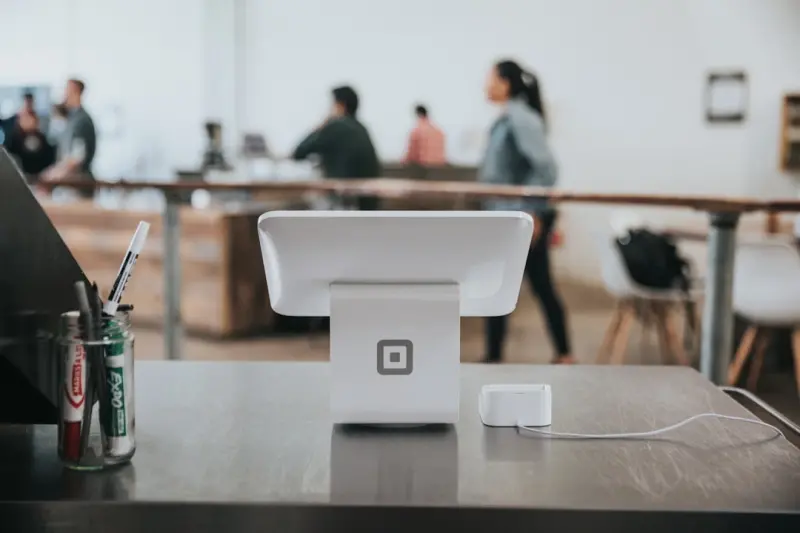
Why Voice is No Longer an Afterthought
When I first pitched the idea of a voice‑first strategy to a skeptical client, the room was filled with the familiar chorus of “it’s a niche” and “search is still visual.” What they didn’t realize was that the surge of smart speakers, in‑car assistants, and voice‑enabled apps has turned spoken queries into a dominant traffic source, especially for local intent and “near‑me” searches. In fact, recent studies show that over 30 % of all searches are now voice‑driven, and that number climbs even higher among Millennials and Gen Z, who treat their devices as extensions of their personalities. As a marketer, I’ve learned to treat the auditory channel with the same rigor we apply to SEO, content calendars, and paid media, because every brand voice now has a digital echo that can either amplify trust or erode credibility in an instant.
One of the most compelling revelations for me was how voice changes the decision‑making timeline. Unlike scrolling through a feed, a consumer speaking into a speaker expects an answer in seconds, which forces brands to distill their value proposition into concise, conversational scripts. That brevity isn’t a limitation; it’s an opportunity to craft a signature soundbite that lives in the listener’s mind long after the interaction ends. I’ve seen companies that simply read their website copy aloud stumble, while those that re‑engineer their messaging for a natural, human‑like cadence see a measurable lift in both click‑through and brand recall.
To truly harness this shift, we must re‑evaluate our keyword research methodology. Traditional text‑based keywords are still relevant, but voice queries tend to be longer, framed as questions, and laden with local modifiers. For instance, instead of targeting “organic coffee beans,” a voice‑first approach would prioritize “where can I buy organic coffee beans near me?” Integrating these conversational phrases into landing page copy, FAQ sections, and schema markup is essential, and it’s a practice that dovetails nicely with the insights I gathered from Hyper‑Personalization, UGC, and AI—the data‑driven personalization engine that can surface the right voice snippet at the perfect moment.
Crafting an Audio Identity That Cuts Through Noise
Building an audio identity begins with a simple question: what does your brand sound like when it speaks? For me, the answer lies in mapping the brand’s core values to sonic elements—tone, tempo, and timbre—that resonate with the target audience’s lifestyle. A luxury skincare line might choose a soothing, melodic voice paired with subtle ambient sounds, while an outdoor gear company could opt for a rugged, energetic narrator with crisp, natural soundscapes. The key is consistency; every touchpoint—from an Alexa skill to a podcast ad—must echo that same auditory fingerprint, creating a cohesive brand experience that feels both authentic and memorable.
Once the sonic palette is defined, the next step is to embed it into the content creation workflow. I advise teams to treat voice scripts as living documents, subject to the same iterative testing we apply to ad copy. A/B testing different intonations, pause lengths, and call‑to‑action phrasing can reveal subtle preferences that drive higher completion rates. In practice, I’ve partnered with audio production houses to generate multiple versions of a single message and then leveraged Conversational Commerce data to see which variant spurred the most seamless transition from spoken inquiry to purchase.
Beyond the spoken word, leveraging sound effects and music can amplify emotional resonance. Research shows that background music can increase brand likability by up to 25 %, especially when the tempo aligns with the intended mood—slower beats for trust and contemplation, faster rhythms for excitement and urgency. However, we must exercise restraint; an over‑produced audio piece can feel inauthentic and distract from the core message. My rule of thumb is to let the brand’s voice lead, using music and effects as supportive accents that reinforce—not overwhelm—the narrative.
Measuring Success in a Sound‑Centric World
Metrics for voice‑first marketing differ from traditional digital KPIs, requiring a blend of quantitative and qualitative data points. Engagement rates now include metrics like “completion percentage” (how many listeners finish a prompt), “wake‑word accuracy” (how often the device correctly interprets the brand name), and “conversion latency” (the time between spoken request and purchase). By integrating these metrics into a unified dashboard, marketers can pinpoint drop‑off moments and optimize the conversational flow in real time.
Another crucial layer is sentiment analysis, which can be applied to the transcribed text of voice interactions. Natural language processing tools can flag frustration cues—such as repeated “I didn’t understand that”—allowing teams to refine phrasing or adjust the knowledge graph that powers the voice assistant. When I implemented this feedback loop for a retail client, we saw a 15 % reduction in repeat queries within a month, translating directly into higher satisfaction scores and repeat purchases.
Finally, the ROI of voice initiatives should be evaluated against broader brand objectives. If the goal is to boost foot traffic, integrate location‑based voice prompts that trigger a “find nearby store” action, then track in‑store visits via QR codes or loyalty program scans. If brand awareness is the priority, measure lift in aided recall through post‑campaign surveys that ask respondents to name brands they heard on their smart speaker. By aligning voice metrics with business goals, marketers can justify budgets and demonstrate the strategic value of audio as a core pillar of the modern marketing mix.

In the world of freelance writing, where creativity and adaptability are paramount, Michelle Fisher stands out as a dedicated and versatile professional. With a passion for crafting compelling narratives and a keen eye for detail, Michelle has established herself as a trusted voice.
Related Posts

Adaptive Storytelling: How Brands Can Win in a Fluid Consumer Landscape
Explore the shift from rigid funnels to adaptive storytelling, leveraging micro‑moments, data‑dr... Read More
Sensory Marketing: How Engaging All Five Senses Supercharges Brand Loyalty
Unlock the hidden power of scent, sound, touch, and taste to create unforgettable brand experiences ... Read More

Audio Branding: The Untapped Weapon for B2B Marketers
Explore the power of audio branding in B2B marketing, from neuroscience-backed memory benefits to pr... Read More
Top Posts
Beyond Keywords: A SaaS Founder’s Guide to Voice‑First SEO
Voice search is reshaping SaaS discovery. Learn how to shift from traditional keyword tactics to conversational content hubs, structured data, and AI‑assisted...Read More

Why Knowledge Graphs Are the Secret Weapon for AI‑Powered SaaS
Knowledge graphs turn fragmented SaaS data into a unified, AI‑readable network, delivering real‑time insights for customer health, product roadmaps, complia...Read More

Reviving Your Rhythm: Breathwork Strategies for Modern Professionals
A practical guide to using intentional breathing at work, featuring easy techniques, integration tips, and real‑world results that help busy professionals red...Read More

AI‑Enhanced Knowledge Management: Turning Static Docs into Living Learning Engines
Discover how AI can convert your static knowledge base into a living learning engine, delivering real‑time support, personalized onboarding, and predictive in...Read More
0 Comments
Post Comment
You will need to Login or Register to comment on this post!