

Why Hyper‑Personalization Is the New Currency of Digital Marketing
In a world where consumers are bombarded with generic ads, the brands that survive are the ones that treat each interaction as a one‑to‑one conversation, tailoring messages down to the individual’s preferences, browsing history, and even real‑time mood signals. Hyper‑personalization goes beyond simply inserting a first name into an email; it integrates predictive analytics, AI‑driven product recommendations, and dynamic content blocks that shift in milliseconds based on device type, location, and recent engagement patterns, creating a fluid experience that feels handcrafted for every visitor. When marketers invest in the infrastructure needed to deliver this level of relevance, they see dramatically higher click‑through rates, longer session durations, and a measurable lift in conversion value that outpaces traditional segmentation by double‑digit percentages.
Building Trust Through User‑Generated Content (UGC) Hubs
While many brands focus on polished, brand‑generated visuals, the most persuasive assets on the internet today are authentic photos, videos, and reviews posted by real customers, and the savvy marketer knows how to harness that authenticity at scale. By creating dedicated UGC hubs—whether through community forums, hashtag‑driven Instagram galleries, or interactive product review sections—companies can turn delighted buyers into unpaid brand ambassadors, while simultaneously feeding fresh, keyword‑rich content to search engines that boosts organic visibility. Linking these hubs to broader community initiatives, such as the micro‑community strategies that nurture niche audiences, multiplies the trust signal and encourages repeat engagement from both existing fans and newcomers discovering the brand for the first time.
Data‑Driven Storytelling: Turning Numbers Into Narrative
Numbers on their own rarely inspire action; it’s the story behind the data that compels audiences to share, click, and convert, and that is why the fusion of analytics with compelling narrative arcs has become a cornerstone of modern digital marketing. Marketers who master data‑driven storytelling translate raw metrics—like churn rates, lifetime value, and engagement heatmaps—into relatable scenarios that illustrate a customer’s journey, pain points, and triumphs, thereby humanizing the brand and fostering emotional resonance. This approach not only fuels more engaging blog posts, infographics, and video scripts, but also equips sales teams with powerful case studies that can be repurposed across webinars, podcasts, and live demos, creating a virtuous loop of content amplification.
Leveraging Progressive Web Apps for Seamless Conversion Paths
Progressive Web Apps (PWAs) have moved beyond the tech‑enthusiast niche to become a practical solution for marketers seeking to eliminate friction in the buyer’s journey, delivering app‑like speed, offline capability, and push‑notification engagement without the overhead of traditional app stores. When a PWA is paired with hyper‑personalized content blocks and UGC showcases, the result is a frictionless checkout experience that retains users on the brand’s domain, dramatically reducing cart abandonment rates and boosting repeat purchase frequency. The strategic advantage is highlighted in the recent analysis of how PWAs are redefining SEO success, where sites that adopted PWAs saw a measurable lift in mobile SERP rankings, page‑load speed metrics, and overall dwell time, reinforcing the notion that performance and personalization are inseparable pillars of modern digital strategy.
Automating the Personal Touch: AI‑Powered Email Sequencing
Modern email platforms now allow marketers to set up complex, behavior‑triggered sequences that adapt in real time to a subscriber’s interaction history, opening a dialogue that feels genuinely personal even though it’s fully automated. By feeding the platform with granular data points—such as product views, cart adds, content downloads, and even sentiment extracted from previous support tickets—AI can decide not just when to send a message, but also which product recommendation, discount tier, or educational resource will be most compelling at that exact moment. The result is a cascade of micro‑conversions that stack up into a robust revenue pipeline, while the marketer retains the ability to monitor performance dashboards and tweak the logic without writing a single line of code.
The Rise of Voice‑First Commerce and Its SEO Implications
As smart speakers and voice assistants become fixtures in households, shoppers are increasingly issuing natural‑language commands to discover products, compare prices, and place orders, forcing marketers to rethink keyword strategies that have traditionally centered on short, typed queries. Optimizing for voice means embracing conversational phrases, question‑based long‑tails, and schema markup that signals to search engines the intent behind a spoken request, thereby increasing the chances of being featured in the coveted “position zero” answer box. Brands that align their content calendars with the evolving lexicon of voice searches—while integrating micro‑community insights and user‑generated testimonials—can capture a growing segment of the market that values convenience and immediacy above all else.
Integrating Social Listening into Campaign Optimization
Social listening tools now provide a real‑time pulse on audience sentiment, emerging trends, and competitor activity across platforms ranging from TikTok to niche forums, offering marketers a treasure trove of data that can be immediately fed back into campaign creative, targeting, and budget allocation decisions. By establishing automated alerts for spikes in brand mentions, product pain points, or viral challenges, teams can pivot quickly—launching responsive ad creatives, adjusting copy tone, or even launching a limited‑edition product that taps into the momentary hype. This agile approach not only maximizes ROI on ad spend but also demonstrates to the audience that the brand is attuned to their conversations, fostering deeper loyalty and word‑of‑mouth advocacy.
Measuring Success: The New KPI Dashboard for Hyper‑Personalized Campaigns
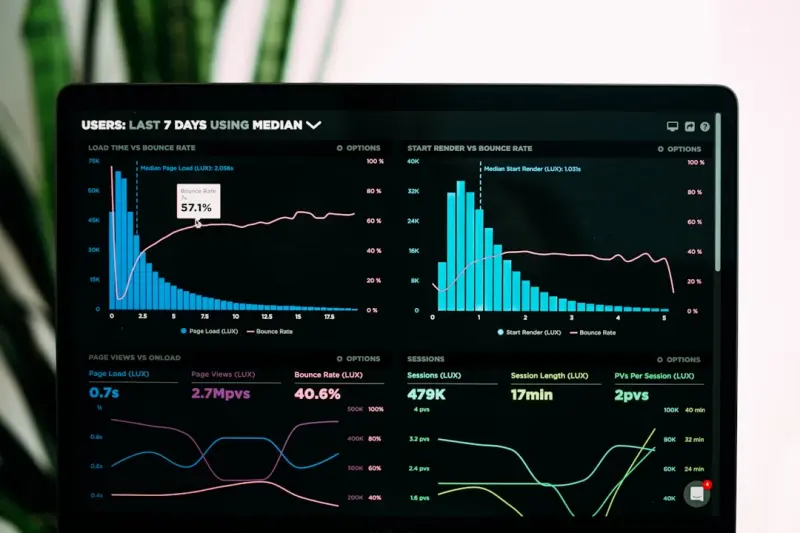
Traditional metrics like pageviews and bounce rates no longer paint a complete picture of a hyper‑personalized strategy’s effectiveness; marketers now need a multidimensional KPI suite that tracks engagement depth, predictive churn probability, and lifetime value uplift attributable to specific personalization triggers. Dashboards should blend quantitative data—such as average order value per segment, conversion velocity after a push notification, and UGC contribution rates—with qualitative insights gathered from post‑purchase surveys and sentiment analysis. By visualizing these metrics side by side, teams can identify which personalization tactics drive sustainable growth, justify investment in AI infrastructure, and continuously refine the loop between data collection, storytelling, and execution.

Paul Flynn is a versatile freelance writer equipped with a diverse skillset and a portfolio that reflects his wide-ranging interests and expertise. From crafting compelling website copy and engaging blog posts to delivering in-depth articles and meticulously researched reports, Flynn demonstrates a remarkable ability to adapt his writing style to suit various audiences and purposes.
Related Posts
The Human‑Centric Data Playbook That’s Redefining Digital Marketing
A fresh approach to digital marketing puts people before pixels, leveraging privacy‑first data, ed... Read More

Why Consistent Brand Voice Is the Hidden Engine of Digital Success
A unified brand voice cuts through digital noise, strengthens SEO, and builds lasting trust. Learn h... Read More

Conversational Commerce: The New Frontier for B2B Digital Marketing
A deep dive into conversational commerce reveals how chat‑based interactions, AI‑enhanced bots, ... Read More
Top Posts

Conversational Commerce: Turning Chat Into a Growth Engine
Learn why real‑time chat is the new sales funnel, how to personalize responsibly, and actionable steps to turn conversations into measurable growth....Read More

Tiny Movements, Big Gains: How Micro‑Exercises Transform Daily Health
Learn the science behind micro‑movements and how simple, intentional actions throughout the day can dramatically improve your health and productivity....Read More

Resetting Your Microbiome: A 30‑Day Blueprint for Vibrant Health
A practical 30‑day guide that blends diet, fasting, movement, and mindfulness to reset your gut microbiome and unlock lasting health benefits....Read More

When Search Gets Chatty: SEO Strategies for AI‑Driven Conversational Interfaces
This post reveals a step‑by‑step playbook for optimizing SaaS content for AI‑driven conversational search, covering keyword research, schema markup, techn...Read More
0 Comments
Post Comment
You will need to Login or Register to comment on this post!