

Why Your Senses Need a Daily Reset (And How to Give Them One)
Ever walked into a coffee shop, glanced at the menu, felt the hum of the espresso machine, caught a whiff of roasted beans, and suddenly your heart rate spiked? If you’ve ever experienced that, you’ve just been hit by what I call sensory overload – the invisible epidemic that’s quietly eroding our health, focus, and mood.
In the age of perpetual notifications, open‑plan offices, and 24‑hour streaming, we’ve trained our brains to treat every ping, flash, and scent as a must‑respond event. The result? Chronic stress, scattered attention, and a subtle but persistent fatigue that no amount of coffee can fix.
What if you could give your nervous system a “quiet hour” every day, without sacrificing productivity or social connection? In this post I’ll walk you through the concept of sensory hygiene, the science that backs it, and three practical rituals you can embed into any schedule.
Understanding Sensory Hygiene
Think of your senses as a set of filters that decide what gets through to the brain. When those filters are constantly bombarded, they become “sticky” – they cling to noise and struggle to let go of the irrelevant. Over time, the brain’s default mode shifts from selective attention to hyper‑vigilance, a state linked to anxiety, insomnia, and even metabolic dysregulation.
Research in neuro‑biology shows that the brain’s brain‑targeted foods can help reset these filters, but nutrition alone isn’t enough. The missing piece is a disciplined routine that tells the nervous system, “You’ve had enough.” That’s the essence of sensory hygiene.
The Hidden Cost of Ignoring Sensory Overload
- Reduced Cognitive Performance: Studies reveal a 15‑25% drop in working memory after just 90 minutes of uninterrupted digital exposure.
- Hormonal Imbalance: Chronic exposure to blue light and high‑decibel environments elevates cortisol, the stress hormone, disrupting the body‑clock alignment that regulates sleep‑wake cycles.
- Immune Suppression: The sympathetic nervous system, when perpetually activated, can dampen immune response, making you more susceptible to colds and other infections.
- Emotional Burnout: Sensory fatigue manifests as irritability, emotional numbness, and a reduced capacity for empathy.
All of these aren’t abstract concepts – they’re daily realities for anyone who spends more than a few hours in front of a screen, or who lives in a bustling urban environment. The good news? You can reverse these trends with intentional, low‑tech interventions.
Three Sensory Hygiene Rituals That Actually Work
1. The 5‑5‑5 Reset (Five Minutes, Five Senses, Five Changes)
Set a timer for five minutes three times a day – morning, midday, and evening. During each window, consciously cycle through your five senses, swapping the input for something calming:
- Sight: Close your eyes or look at a natural scene (a plant, a window view of trees). Avoid screens.
- Sound: Play ambient nature sounds or simply sit in silence. If you’re in a noisy office, use noise‑cancelling headphones.
- Touch: Feel a textured object – a smooth stone, a soft fabric, or even the sensation of your breath on your skin.
- Smell: Inhale a calming scent like lavender or citrus. Essential oils work well.
- Taste: Sip warm water or a herbal tea, focusing on the temperature and flavor.
This micro‑ritual signals to the brain that the “alert” mode is temporary, allowing the parasympathetic system to kick in and restore balance.
2. The “Digital Sunset” Strategy
Just as the sky darkens at dusk, our environments should transition to a low‑stimulus state. Two hours before bedtime, initiate a “digital sunset”:
- Switch devices to “night mode” or use a blue‑light filter.
- Dim ambient lighting to a warm hue (2700‑3000K).
- Replace scrolling with a tactile activity – journaling, sketching, or reading a physical book.
- End with a 10‑minute meditation that focuses on breath awareness, further dampening the sensory noise.
Consistently applying a digital sunset improves body‑clock alignment, leading to deeper REM sleep and more restorative rest.
3. The “Sensory Zoning” Blueprint
Designate physical zones in your home or office for specific sensory experiences:
- Focus Zone: A clutter‑free desk with minimal visual stimuli, equipped with a single monitor and a “do not disturb” sign.
- Recharge Zone: A comfy chair, soft lighting, a small indoor plant, and a speaker for low‑volume ambient sounds.
- Movement Zone: A stretch mat or standing desk area encouraging periodic physical activity.
By physically separating activities, you train your brain to associate each space with a distinct sensory load, reducing the cognitive cost of task‑switching.
Nutrition Meets Sensory Hygiene
While sensory rituals are the frontline defense, pairing them with brain‑targeted foods amplifies the effect. Foods rich in omega‑3 fatty acids (salmon, walnuts), antioxidants (berries, dark chocolate), and magnesium (leafy greens, pumpkin seeds) support the neural pathways responsible for filtering sensory input.
Consider a simple snack combo during your 5‑5‑5 Reset: a handful of blueberries paired with a few almonds. This not only satisfies hunger but supplies flavonoids and healthy fats that enhance synaptic plasticity – the brain’s ability to adapt to new sensory environments.
Measuring the Impact: Simple Metrics to Track
Before you adopt these rituals, set baseline metrics. Here are three low‑effort ways to gauge progress:
- Heart Rate Variability (HRV): Use a wearable to track HRV each morning. An upward trend indicates better autonomic balance.
- Focus Duration: Log how many uninterrupted minutes you can work before feeling the need to check your phone. Aim for a 10‑15% increase weekly.
- Sleep Quality: Monitor sleep latency (time to fall asleep) and deep‑sleep percentage. Improvements often appear within two weeks of consistent sensory hygiene.
Common Pitfalls and How to Avoid Them
Pitfall #1: “One‑Size‑Fits‑All” Timing. Your optimal reset windows may differ based on personal circadian rhythms. Experiment with timing and listen to your body.
Pitfall #2: Treating Rituals as “Chores”. When a practice feels forced, the brain perceives it as stress. Pair the ritual with something you enjoy – a favorite scent, a soothing playlist, or a comforting tea.
Pitfall 3: Ignoring Environmental Triggers. Even the best rituals falter if you’re surrounded by relentless noise. Invest in simple soundproofing (door sweeps, curtains) and consider a quiet hour policy at work.
Scaling Sensory Hygiene in the Workplace
Organizations can reap productivity gains by embedding sensory hygiene into the culture. Here are three actionable steps for leaders:
- Introduce “Focus Blocks” – 90‑minute periods where meetings are banned, and notifications are muted.
- Provide “Quiet Pods” – Small, insulated spaces equipped with dim lighting and white‑noise machines.
- Champion “Screen‑Free Lunches” – Encourage teams to eat away from desks and devices, fostering both social connection and sensory relief.
When employees feel mentally refreshed, error rates drop, creativity spikes, and turnover declines – a clear win‑win for health and business.
Wrapping Up: Your Invitation to Sensory Freedom
We live in an era where information flows faster than ever, but our nervous systems weren’t built for constant bombardment. By treating our senses with the same care we give our bodies – through nutrition, rest, and deliberate boundaries – we can reclaim mental clarity, emotional resilience, and physical well‑being.
Start small. Choose one of the three rituals above, apply it for a week, and notice the difference. Then layer on the next. Your brain will thank you, and you’ll finally feel the calm you’ve been chasing amid the noise.

Shawn DesRochers is a certified Microsoft technician and Programmer with 30+ year's experience. He has written many reviews on computer related products, software, and SEO related topics. When he's not writing reviews he can be found at one of the Oldest Directories Online Business Directory USA which he is the CEO of.
Related Posts

Forest Bathing for Remote Workers: Nature’s Prescription for Digital Fatigue
A deep dive into forest bathing shows remote professionals how short, mindful nature breaks can lowe... Read More
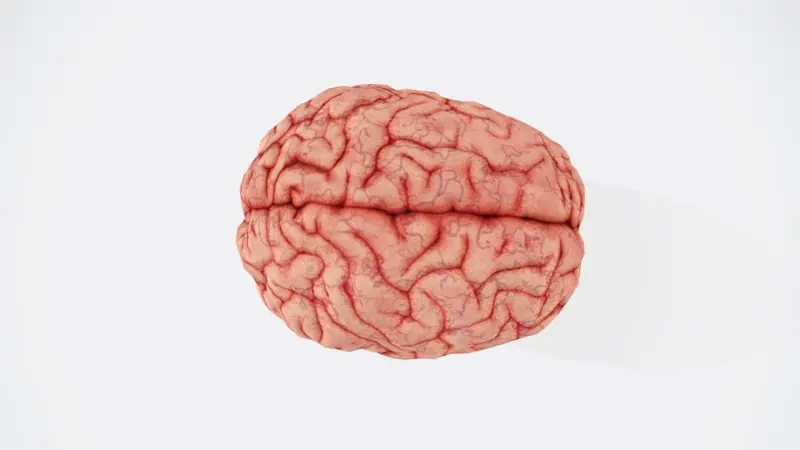
Rewiring Your Brain: The Surprising Health Benefits of Digital Minimalism
Digital minimalism isn’t about abandoning tech—it’s about curating it to protect brain health.... Read More

The Power of Daily Micro‑Movement Rituals for Lasting Vitality
Learn why tiny, frequent motions are the secret to better circulation, sharper focus, and lasting vi... Read More
Top Posts

Nomadic Networking: Turning Transit Spaces into Business Accelerators
Learn how to leverage transit spaces and digital tools for nomadic networking, turning every layover and café visit into a strategic business opportunity....Read More

Detox Retreats: Finding Balance in a Connected World
Discover why unplugging at a digital detox retreat can reset your mind and body, offering lasting health benefits and practical ways to stay balanced in an alwa...Read More

Micro‑Moments & Short‑Form Video in B2B Marketing
Learn why micro‑moments matter for B2B marketers and how short‑form video can be integrated into your strategy, from production tips to data‑driven measur...Read More

Transform Your Home into a Year‑Round Sanctuary
Discover easy, budget‑friendly ways to turn every room into a soothing sanctuary with layered lighting, natural scents, acoustic tweaks, and clever storage so...Read More
0 Comments
Post Comment
You will need to Login or Register to comment on this post!