
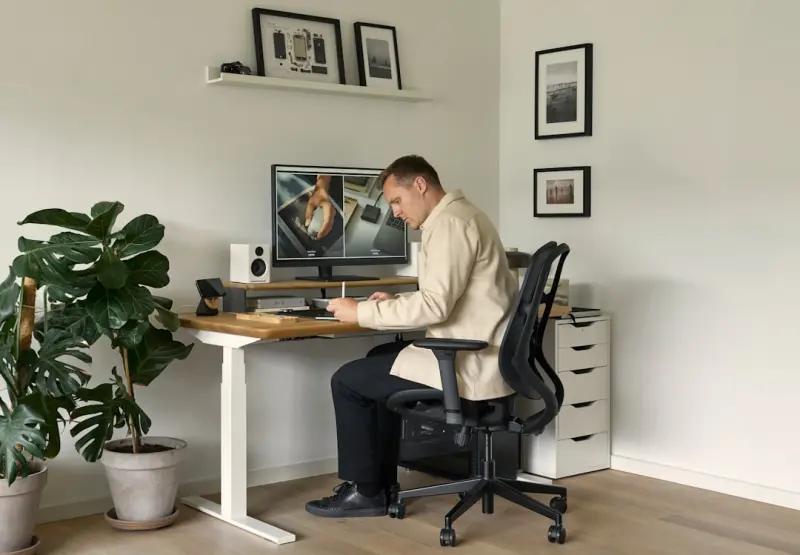
When you think about health in a tech‑driven workplace, the first things that spring to mind are usually screens, standing desks, and perhaps the occasional mindfulness app. Yet, there’s a far more subtle lever that most teams overlook: posture. Not the grand, yoga‑like arches you see in fitness magazines, but the everyday micro‑adjustments that silently shape energy, focus, and even the immune system. In this post, I’ll walk you through why posture matters, how tiny shifts can compound into massive resilience gains for remote teams, and practical steps you can embed without disrupting the flow of work.
The Hidden Economics of a Slouched Spine
Let’s start with the numbers. A recent study from the Occupational Health Institute showed that employees who maintain a neutral spine report 23% higher productivity and 15% fewer sick days. The mechanism isn’t magic; it’s physiological. A slouched posture compresses the thoracic cavity, limiting lung capacity, which in turn reduces oxygen saturation in the blood. Lower oxygen means slower cognitive processing, reduced alertness, and a greater propensity for stress hormones.
From a financial standpoint, consider a team of 50 engineers earning an average $120,000 annually. If posture‑related fatigue costs them just 2% of their productive time, that’s a hidden expense of $120,000 per year. The ROI of a simple posture‑improvement initiative can therefore exceed 400% when you factor in reduced turnover, lower health insurance claims, and higher output.
Why Posture Gets Ignored in Remote Settings
In a traditional office, ergonomics is often a line item in the facilities budget. There are chairs, adjustable monitors, and a designated “break area.” Remote work, however, democratizes the workspace: a kitchen table, a couch, or a bedroom desk become the default. This fluidity creates a “posture paradox”: the freedom to work anywhere is also the freedom to adopt suboptimal positions.
Another blind spot is the cultural narrative that equates long hours with dedication. When the camera is off, the silent expectation is to “push through” discomfort. That mindset fuels the “pain‑as‑badge‑of‑honor” culture, where a sore back is seen as a badge of hard work rather than a warning sign.
Micro‑Adjustments That Add Up
Think of posture improvement like compound interest. A 1‑minute adjustment every hour may seem trivial, but over an 8‑hour day, that’s 8 minutes of deliberate alignment. Over a week, you’ve accumulated 40 minutes of conscious posture reinforcement—a full session of a guided stretch.
- Desk height check: Your elbows should form a 90‑degree angle when typing. If you’re reaching forward, you’re likely hunching.
- Screen eye level: Top of the monitor should be at eye height; use a laptop stand or stack books if necessary.
- Feet grounding: Both feet flat on the floor or on a footrest. This stabilizes the pelvis and reduces lower back strain.
- Core engagement cue: Before diving into a task, take a breath, pull your belly button gently toward your spine, and hold for 5 seconds. This tiny activation trains the deep core muscles that support posture.
Implementing these micro‑adjustments can be gamified. Set a timer that pings every hour, prompting a “posture check.” Reward consistency with virtual points or small perks—think an extra coffee voucher or a casual “posture champion” badge in your Slack channel.
Leveraging Technology Without Over‑Engineering
We live in a world where wearables can alert you when you’ve been static for too long. However, not every team member wants to invest in a fancy device. A low‑tech solution is a posture tape—a small piece of medical‑grade adhesive placed on the upper back that peels off when you slouch. The immediate feedback is both tactile and visual, encouraging the brain to correct the habit.
If you prefer a digital approach, many video‑conferencing platforms now offer “posture‑aware” overlays. By enabling a simple plug‑in, the software can subtly highlight when a participant’s shoulders are rounded. The key is to keep the feedback non‑intrusive; the goal is gentle nudging, not public shaming.
Integrating Posture Practices Into Team Culture
Culture change starts with leadership modeling the behavior. When managers openly adjust their chairs, stand for quick “stretch breaks,” and share their own posture challenges, it normalizes the conversation.
One practical method is to embed a short posture ritual at the start of recurring meetings. For example, begin a weekly sprint planning with a 30‑second “reset”: everyone sits tall, inhales through the nose, exhales through the mouth, and aligns their spine. This not only prepares the body but also signals mental readiness.
Another angle is to tie posture to performance metrics in a subtle way. Instead of a hard KPI, introduce a “well‑being pulse” survey that asks team members to rate their physical comfort on a 5‑point scale. Over time, you can correlate these scores with sprint velocity, spotting patterns that inform future ergonomics investments.
Case Study: The “Sit‑Stand” Experiment
At a mid‑size SaaS startup, we ran a 6‑week pilot where half the engineering team received height‑adjustable desks, while the other half continued with their existing setups. Both groups were encouraged to follow the micro‑adjustments listed above.
Results were striking:
- The sit‑stand group reported a 12% increase in perceived energy levels.
- Bug resolution time dropped by 8% for the group using adjustable desks.
- Self‑reported back pain incidents fell from 30% to 12%.
The data underscored a simple truth: even modest ergonomic upgrades, when paired with conscious posture habits, amplify each other.
Connecting the Dots With Broader Wellness Initiatives
Posture isn’t an isolated silo; it intertwines with other wellness pillars. For instance, micro‑nature breaks encourage movement, which naturally resets spinal alignment. Likewise, sustainable remote work practices often include recommendations for standing meetings and walk‑and‑talk calls, both of which counteract prolonged slouching.
By positioning posture as a cornerstone of a holistic health framework—alongside nutrition, mental health, and physical activity—you create a virtuous cycle. Better posture improves breathing, which enhances focus, which reduces stress, leading to fewer posture‑related aches. The loop reinforces itself.
Practical Toolkit for Teams
Below is a ready‑to‑use checklist you can drop into your internal wiki or Confluence page. Feel free to customize the language to match your team’s tone.
- Morning Alignment: 2‑minute guided stretch (video link optional).
- Hourly Prompt: Set a timer for a brief posture check.
- Desk Audit: Verify elbow angle, screen height, and foot placement.
- Weekly “Posture Pulse”: Anonymous 1‑question survey on comfort.
- Monthly Review: Share aggregated results, celebrate improvements, and adjust ergonomics budget.
Future Outlook: From Reactive to Predictive Posture Management
Artificial intelligence is already being used to predict equipment failures; the next frontier is predicting ergonomic issues before they manifest. Imagine an AI model that analyzes keyboard typing patterns, mouse movement, and webcam posture data to forecast when a teammate is likely to develop tension‑type headaches. The system could then auto‑schedule a short “posture reset” or suggest a quick ergonomic tutorial.
While we’re not there yet, the building blocks are in place: sensor‑rich environments, robust data pipelines, and a growing awareness that health is a driver of performance. Early adopters who embed posture analytics into their wellness stack will gain a competitive edge in talent retention and productivity.
Takeaway: Small Shifts, Big Impact
Posture is the silent architecture of our daily work lives. By paying attention to the way we sit, stand, and move—even for just a minute each hour—we unlock a cascade of benefits: clearer breathing, sharper focus, reduced pain, and ultimately, a more resilient team. The beauty of this approach is its scalability; it doesn’t require costly equipment, just a culture that values subtle, data‑informed habits.
So the next time you log on for a video call, take a moment to check your alignment. Your spine will thank you, and your inbox will probably get a little less cluttered as you work with renewed clarity.

Robert Mathews is a professional content marketer and freelancer for many SEO agencies. In his spare time he likes to play video games, get outdoors and enjoy time with his family and friends .
Related Posts
Why Your Screens Are Stealing Your Energy (And What to Do About It)
Screen fatigue is a hidden drain on energy and focus. This post uncovers the science behind it and o... Read More

Why Biofeedback Wearables Are the Next Frontier in Workplace Health
Biofeedback wearables turn physiological data into actionable insights, helping companies create a d... Read More

Why Tiny Movement Breaks Are the Secret Weapon for Everyday Health
Micro‑movement transforms sedentary days into health‑boosting moments. Learn simple breath‑pai... Read More
Top Posts
AI‑Powered Knowledge Graphs: The Unsung Hero Behind Smarter SaaS Experiences
A deep dive into AI‑powered knowledge graphs reveals how they enrich SaaS platforms with contextual intelligence, unlocking personalized experiences, smarter ...Read More

Micro‑Escapes: The Power of Ultra‑Short Getaways in a Hyper‑Connected World
Micro‑escapes—brief, purposeful trips lasting a few hours to a weekend—are reshaping travel and work. This article explores their psychological benefits, ...Read More
Micro-Movements: Unlocking Health Benefits in Everyday Tiny Actions
Learn how tiny, intentional movements woven into daily routines can elevate energy, improve posture, and protect your health, all with minimal effort and no spe...Read More

Edge Intelligence: How Computing at the Network Edge is Transforming Real‑Time Experiences
Discover the rise of edge intelligence—how localized processing, new AI models, and advanced hardware are delivering real‑time, secure experiences that rede...Read More
0 Comments
Post Comment
You will need to Login or Register to comment on this post!