
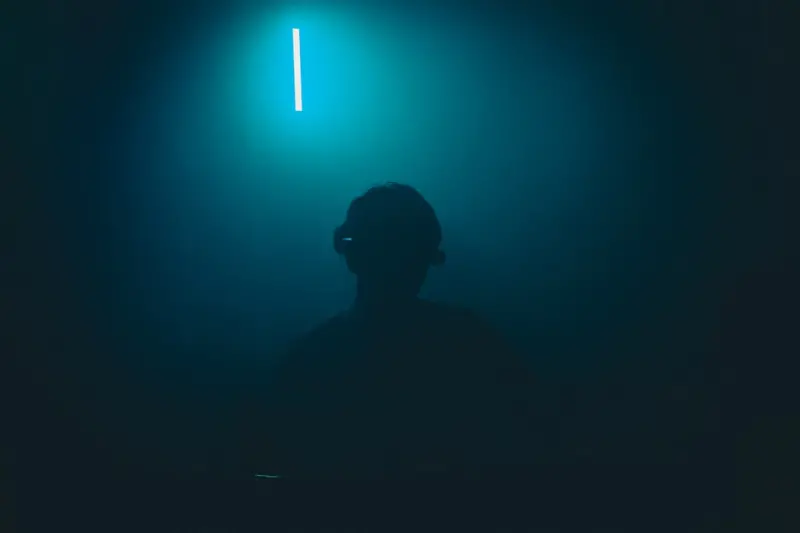
When the world spins faster than a centrifuge, the most radical act you can take is to pause—not in the sense of a grand meditation retreat, but with micro‑movements that slip into the fabric of your day. As someone who spends half my life behind a screen and the other half navigating the noisy corridors of corporate strategy, I’ve learned that true health isn’t a distant destination; it’s a series of intentional, barely‑noticed adjustments that cumulatively shift your physiology and mindset.
Why Micro‑Movements Matter More Than You Think
Traditional wellness advice often glorifies long‑form workouts, strict diets, or weekend retreats. Those are valuable, but they’re also easy to postpone. Micro‑movements—tiny stretches, posture checks, and breath resets—require seconds, not hours, and they can be performed anywhere: at your desk, in a meeting, even while you’re on a conference call.
Science backs this up. Recent studies in occupational health reveal that breaking up prolonged sitting every 20‑30 minutes can reduce the risk of cardiovascular disease by up to 30%. Moreover, brief bouts of movement trigger the release of brain‑derived neurotrophic factor (BDNF), a protein that supports learning, memory, and mental resilience.
Three Pillars of Desk‑Based Health Optimization
To make micro‑movements stick, I’ve organized them into three interconnected pillars: Movement, Breath, and Light. Each pillar addresses a core aspect of our physiological stress response.
- Movement: Gentle, joint‑friendly motions that counteract the static load of sitting.
- Breath: Controlled breathing patterns that reset the autonomic nervous system.
- Light: Ambient lighting strategies that align with circadian rhythms.
1. Movement: The Power of Micro‑Stretches
Start with the neck roll. Sit upright, drop your chin to your chest, and slowly rotate your head clockwise for three cycles, then counter‑clockwise. This releases tension in the trapezius and sternocleidomastoid muscles, common culprits behind “tech neck”.
Next, try the spine hinge. Place both hands on your lower back, inhale to lengthen your spine, and exhale as you hinge forward from the hips, letting gravity gently stretch the hamstrings and lower back. Hold for five breaths. This not only improves posture but also stimulates the parasympathetic nervous system, promoting relaxation.
For those who crave a quick cardio burst, the desk‑jog is a lifesaver. Stand, lift one knee to hip height, then switch—alternating for 30 seconds. Your heart rate spikes just enough to boost circulation without breaking your workflow.
2. Breath: Resetting Your Stress Meter
Breathing is the one function we control consciously that instantly influences our stress hormones. The 4‑7‑8 technique—inhale for 4 seconds, hold for 7, exhale for 8—has been shown to reduce cortisol levels within minutes.
Integrate this into your routine by pairing it with movement. After each micro‑stretch, close your eyes, place a hand on your diaphragm, and practice the 4‑7‑8 rhythm for three cycles. The tactile feedback helps you deepen each breath, maximizing oxygen intake and promoting a state of calm.
3. Light: Harnessing Ambient Illumination for Circadian Health
We often overlook lighting as a health lever, yet exposure to the right spectrum of light at the right time regulates melatonin production, sleep quality, and even mood. Here’s a simple blueprint:
- Morning: Flood your workspace with cool, blue‑rich light (5000‑6500 K). If natural sunlight is scarce, consider a daylight lamp that mimics sunrise.
- Mid‑day: Switch to neutral white (3500‑4500 K) to maintain alertness without overstimulation.
- Evening: Dim the lights and shift to warm tones (<3000 K). Reduce screen brightness and, if possible, enable “night mode” on all devices.
These adjustments may seem trivial, but they synchronize your internal clock, making it easier to fall asleep, stay focused, and recover from daily stressors.
Embedding the Pillars into Your Workday
Now that the three pillars are clear, the challenge is integration. Below is a sample schedule that demonstrates how you can weave micro‑movements, breath, and light into a typical eight‑hour workday without sacrificing productivity.
| Time | Action |
|---|---|
| 08:30 – 08:35 | Morning light exposure: open blinds, turn on cool‑white lamp, perform neck rolls. |
| 09:00 – 09:02 | Desk‑jog (30 sec) + 4‑7‑8 breathing (3 cycles). |
| 10:30 – 10:32 | Spine hinge stretch + deep diaphragmatic breaths. |
| 12:00 – 12:05 | Mid‑day light switch to neutral white; walk‑and‑talk meeting. |
| 14:00 – 14:02 | Micro‑stretch: seated hip flexor release, followed by 4‑7‑8. |
| 16:00 – 16:02 | Desk‑jog + quick mindfulness check. |
| 18:00 – 18:05 | Evening light transition to warm tones; final stretch and gratitude breath. |
Notice the rhythm: every 60‑90 minutes you receive a brief “reset” that addresses movement, breathing, and lighting. Over time, this cadence builds resilience, improves focus, and reduces the cumulative fatigue that often leads to burnout.
Why It Works: The Neuroscience Behind Micro‑Health Interventions
Each micro‑intervention taps into distinct neural pathways:
- Movement stimulates proprioceptive feedback, which the brain interprets as a signal that the body is active and safe, reducing the perception of stress.
- Breath modulates the vagus nerve, a key component of the parasympathetic system, directly influencing heart rate variability (HRV) – a gold‑standard metric for stress resilience.
- Light impacts the suprachiasmatic nucleus (SCN) in the hypothalamus, the master clock that orchestrates hormone release, body temperature, and sleep cycles.
When combined, these signals reinforce each other, creating a synergistic effect that far outweighs the sum of their parts.
Scaling Up: From Individual Practice to Organizational Culture
While the above routine is designed for a single professional, forward‑thinking companies can embed these principles into their culture. Consider the following strategies:
- Designated “Movement Minutes”: Allocate two minutes each hour for employees to stand, stretch, or walk. Use a subtle auditory cue – perhaps a soft chime – that aligns with the audio‑first strategies that many modern workplaces already employ.
- Lighting Audits: Conduct an office lighting audit and replace harsh fluorescents with tunable LEDs that adjust throughout the day.
- Wellness Micro‑Habits Library: Curate a digital handbook of micro‑habits (including stretches, breathing scripts, and light schedules) inspired by smart micro‑habits for a future‑ready home. Make it searchable and accessible from any device.
When leadership models these behaviors, employees feel empowered to prioritize their health without fearing judgment or lost productivity.
Tech‑Enabled Support: Tools That Keep You on Track
If you’re skeptical about remembering every cue, technology can help. Here are a few low‑friction solutions:
- Posture‑tracking wearables: Devices like the Upright Go vibrate when you slouch, prompting an instant micro‑stretch.
- Ambient light panels: Products such as Philips Hue can be programmed via apps to shift color temperature automatically based on your calendar.
- Breathing apps: Apps like Calm or Insight Timer offer guided 4‑7‑8 sessions that you can launch with a single tap.
Integrating these tools with your existing workflow (e.g., linking a breathing reminder to a calendar event) ensures the habits become almost reflexive.
Measuring Impact: From Subjective Feelings to Tangible Data
To sustain motivation, track both qualitative and quantitative markers. Consider a simple weekly log:
- Energy levels (1‑10 scale) before and after each workday.
- Sleep quality using a phone‑based sleep tracker.
- HRV readings from a smartwatch or chest strap.
Over a month, you’ll likely notice trends: higher energy scores, deeper sleep, and improved HRV—all indicators that your micro‑interventions are paying off.
Addressing Common Objections
“I don’t have time.” – The total investment is under two minutes per hour, which translates to roughly ten minutes a day. That’s less than the time it takes to scroll through email.
“It feels silly.” – Initial awkwardness fades as the physiological benefits become evident. Remember, the goal isn’t performance art; it’s self‑preservation.
“My office won’t allow it.” – Start privately at your desk. As you experience the benefits, you’ll naturally become an advocate for broader adoption.
Conclusion: The Cumulative Power of Tiny Choices
Health isn’t a single, dramatic overhaul; it’s the sum of countless tiny decisions made throughout the day. By integrating micro‑movements, intentional breath, and circadian‑aligned lighting, you create a self‑reinforcing loop that fortifies both body and mind. In a world that demands constant attention, these brief, purposeful pauses become the ultimate competitive advantage.
Give yourself permission to move, breathe, and adjust the light—even if only for a few seconds. The ripple effect will touch every corner of your professional performance, personal relationships, and overall wellbeing.

David Moore is a freelance writer specializing in two dynamic and ever-evolving fields: gambling and the tech industry. With a keen eye for detail and a knack for unraveling complex topics, David delivers insightful and engaging content that keeps readers informed and entertained.
Related Posts

Biofeedback Wearables: The Next Frontier for Personal Health
Biofeedback wearables transform everyday health data into clear, actionable insights, helping indivi... Read More
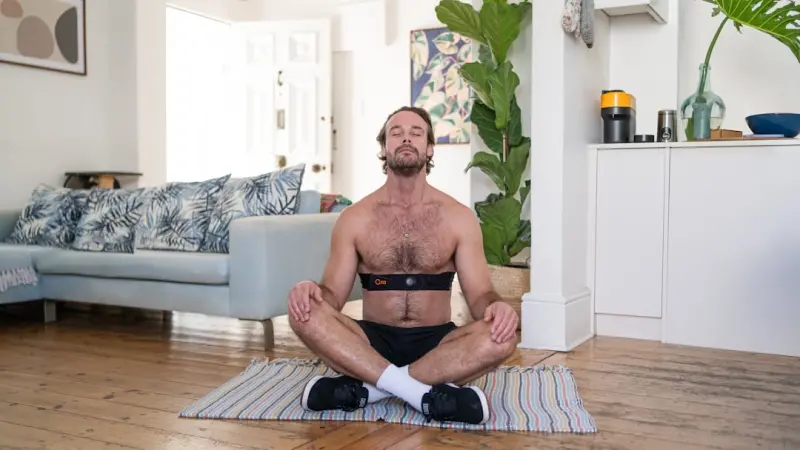
Breathwork and the Gut: A Simple Dual Path to Everyday Resilience
Explore a dual approach to wellness—using breathwork and gut‑friendly nutrition—to naturally e... Read More

Beyond the Buzz: How Biofeedback Wearables Are Redefining Workplace Wellness
Biofeedback wearables provide real‑time health insights, turning personal data into actionable wor... Read More
Top Posts

Why Tiny Escapes Are the Next Big Thing in Travel
Micro‑escapes—brief, focused trips—are reshaping travel by offering intense cultural immersion, lower carbon footprints, and renewed creativity, making th...Read More

Edge AI and Synthetic Data: The Twin Engines Powering Next‑Gen SaaS
Edge AI and synthetic data are reshaping SaaS delivery. Learn practical steps to deploy lightweight models at the edge, generate realistic training data, and cr...Read More
Building an Ethical AI Playbook for SaaS Leaders
A six‑step, actionable framework guides SaaS leaders to weave fairness, transparency, and accountability into AI features, turning ethics into a strategic adv...Read More

Hyper‑Local Community Marketing: Turning Neighborhoods Into Brand Hubs
Learn the art of hyper‑local community marketing—using neighborhood influencers, authentic storytelling, and granular data to turn everyday streets into pow...Read More
0 Comments
Post Comment
You will need to Login or Register to comment on this post!